


Start Slideshow


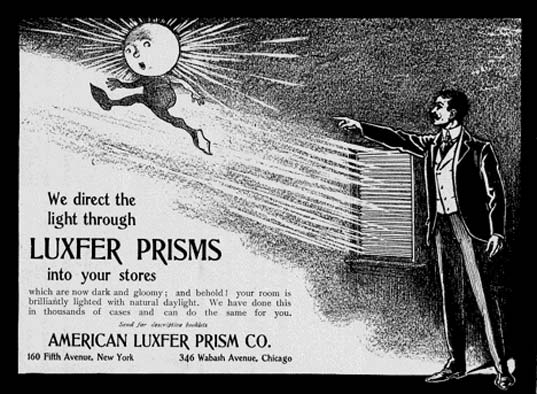

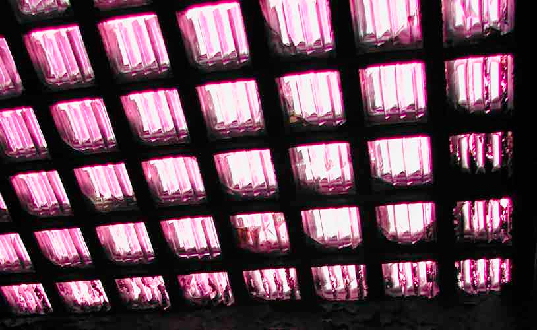



 prismverticalBuildings consume <b>76%</b> of electricity generated; they create <b>48%</b> of our greenhouse gases; <b>a quarter</b> of our waste in landfills comes from construction. Yet we continue to tear down perfectly good ones and replace them with new ones that don't perform as well and don't last as long. If we understood what old buildings are saying to us, we would be less eager to rip them down, and perhaps might even emulate them in our new buildings. Read on for examples.1
 buildingletters-inhabitatBuildings consume <b>76%</b> of electricity generated; they create <b>48%</b> of our greenhouse gases; <b>a quarter</b> of our waste in landfills comes from construction. Yet we continue to tear down perfectly good ones and replace them with new ones that don't perform as well and don't last as long. If we understood what old buildings are saying to us, we would be less eager to rip them down, and perhaps might even emulate them in our new buildings. Read on for examples.2
 Air Shaft, photo from SmithsonianBuildings consume <b>76%</b> of electricity generated; they create <b>48%</b> of our greenhouse gases; <b>a quarter</b> of our waste in landfills comes from construction. Yet we continue to tear down perfectly good ones and replace them with new ones that don't perform as well and don't last as long. If we understood what old buildings are saying to us, we would be less eager to rip them down, and perhaps might even emulate them in our new buildings. Read on for examples.3
 lloydphoto-ed01Buildings consume <b>76%</b> of electricity generated; they create <b>48%</b> of our greenhouse gases; <b>a quarter</b> of our waste in landfills comes from construction. Yet we continue to tear down perfectly good ones and replace them with new ones that don't perform as well and don't last as long. If we understood what old buildings are saying to us, we would be less eager to rip them down, and perhaps might even emulate them in our new buildings. Read on for examples.4
 whitepinephotoBuildings consume <b>76%</b> of electricity generated; they create <b>48%</b> of our greenhouse gases; <b>a quarter</b> of our waste in landfills comes from construction. Yet we continue to tear down perfectly good ones and replace them with new ones that don't perform as well and don't last as long. If we understood what old buildings are saying to us, we would be less eager to rip them down, and perhaps might even emulate them in our new buildings. Read on for examples.5
 vertical-prismsBuildings consume <b>76%</b> of electricity generated; they create <b>48%</b> of our greenhouse gases; <b>a quarter</b> of our waste in landfills comes from construction. Yet we continue to tear down perfectly good ones and replace them with new ones that don't perform as well and don't last as long. If we understood what old buildings are saying to us, we would be less eager to rip them down, and perhaps might even emulate them in our new buildings. Read on for examples.6
 modern-daylighting-ed01Buildings consume <b>76%</b> of electricity generated; they create <b>48%</b> of our greenhouse gases; <b>a quarter</b> of our waste in landfills comes from construction. Yet we continue to tear down perfectly good ones and replace them with new ones that don't perform as well and don't last as long. If we understood what old buildings are saying to us, we would be less eager to rip them down, and perhaps might even emulate them in our new buildings. Read on for examples.7
 glass-ceilingBuildings consume <b>76%</b> of electricity generated; they create <b>48%</b> of our greenhouse gases; <b>a quarter</b> of our waste in landfills comes from construction. Yet we continue to tear down perfectly good ones and replace them with new ones that don't perform as well and don't last as long. If we understood what old buildings are saying to us, we would be less eager to rip them down, and perhaps might even emulate them in our new buildings. Read on for examples.8
 penn537Buildings consume <b>76%</b> of electricity generated; they create <b>48%</b> of our greenhouse gases; <b>a quarter</b> of our waste in landfills comes from construction. Yet we continue to tear down perfectly good ones and replace them with new ones that don't perform as well and don't last as long. If we understood what old buildings are saying to us, we would be less eager to rip them down, and perhaps might even emulate them in our new buildings. Read on for examples.9
 inhabitat-treeBuildings consume <b>76%</b> of electricity generated; they create <b>48%</b> of our greenhouse gases; <b>a quarter</b> of our waste in landfills comes from construction. Yet we continue to tear down perfectly good ones and replace them with new ones that don't perform as well and don't last as long. If we understood what old buildings are saying to us, we would be less eager to rip them down, and perhaps might even emulate them in our new buildings. Read on for examples.10
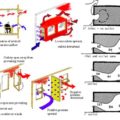 naturalwindowsBuildings consume <b>76%</b> of electricity generated; they create <b>48%</b> of our greenhouse gases; <b>a quarter</b> of our waste in landfills comes from construction. Yet we continue to tear down perfectly good ones and replace them with new ones that don't perform as well and don't last as long. If we understood what old buildings are saying to us, we would be less eager to rip them down, and perhaps might even emulate them in our new buildings. Read on for examples.11
 inhabitat-lessonsBuildings consume <b>76%</b> of electricity generated; they create <b>48%</b> of our greenhouse gases; <b>a quarter</b> of our waste in landfills comes from construction. Yet we continue to tear down perfectly good ones and replace them with new ones that don't perform as well and don't last as long. If we understood what old buildings are saying to us, we would be less eager to rip them down, and perhaps might even emulate them in our new buildings. Read on for examples.12
