


Start Slideshow


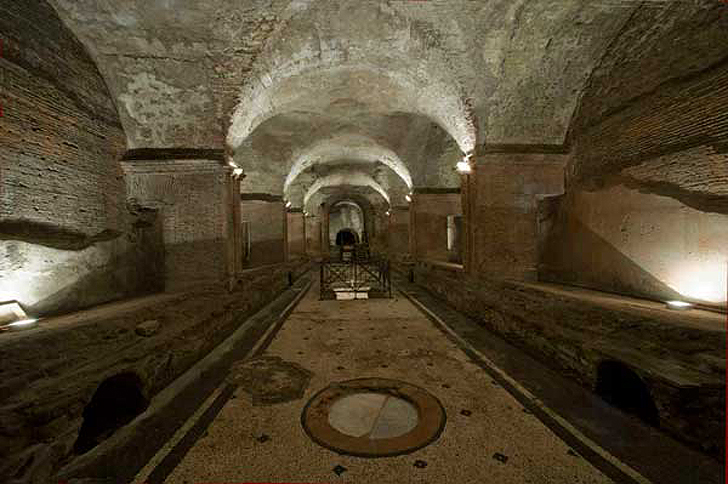
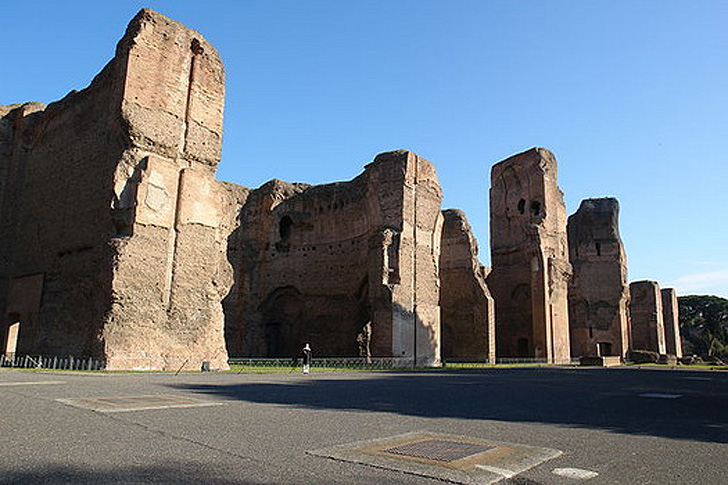

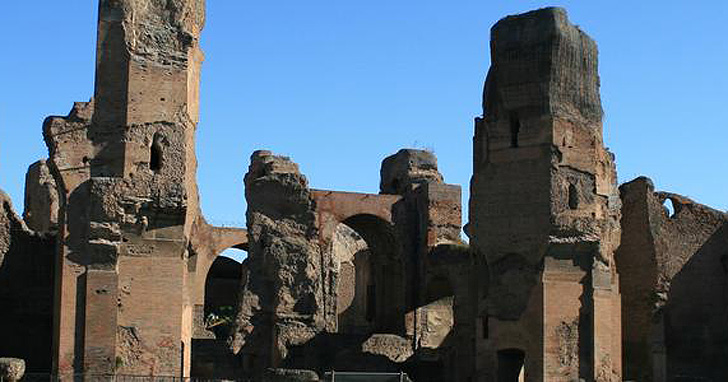
 Baths of CaracallaItaly’s ancient <a href="http://en.wikipedia.org/wiki/Baths_of_Caracalla" target="_blank">Baths of Caracalla</a> were built during the time of the Roman Empire and attract thousands of tourists each year. Yet deep below the<a href="http://inhabitat.com/swirling-contemporary-library-installation-warms-up-an-ancient-turkish-bath-in-bulgaria/" target="_blank"> public baths</a>, lies a network of <a href="http://inhabitat.com/artwork-and-visitors-mingle-with-557-bodies-at-londons-crypt-gallery/" target="_blank">ancient tunnels</a> that lead to the largest <a href="http://en.wikipedia.org/wiki/Mithraeum">Mithraeum</a> in the Roman Empire. After a year of restoration, the place of secret worship of the Persian god Mithra is now open to the public—but only until January 6, 2013.1
 Baths of CaracallaDiscovered only a century ago, the underground Mithraeum of Caracalla was once a worship center for the religious cult of <a href="http://en.wikipedia.org/wiki/Mithraic_mysteries" target="_blank">Mithraism</a>.2
 Baths of CaracallaLeft untouched for centuries, and even a century after its discovery, the renovations of the space began a year ago under the leadership of director Marina Piranomonte. The construction began with installing <a href="http://inhabitat.com/solar-tube/" target="_blank">skylights</a> to the windowless antechambers, but the new intriduction to sun light caused algae to form in the previously sealed tunnels.3
 Baths of CaracallaThe skylights were then sealed while restoration was completed. The walls and ceilings were scrubbed of the <a href="http://inhabitat.com/urban-algae-farms-could-heat-buildings-while-treating-wastewater/" target="_blank">new algae</a>, a collapsed vault was restored and a temporary lighting system was installed.4
 Baths of CaracallaAlthough most of the temple’s original décor was gone, a small fresco of Mithra was found and restored, as well as the original altar used by worshippers.5
 Baths of CaracallaThe Baths of Caracalla were built in AD 216, and were used until the 19<sup>th</sup> Century. Fed by the Aqua Marcia aqueduct, the waters were heated by a coal burning <a href="http://en.wikipedia.org/wiki/Hypocaust" target="_blank">hypocaust system</a> located below the pools. A public library was also on site with Latin and Greek texts. Many Mithraeums have been discovered under existing buildings from the first to fourth centuries AD.6
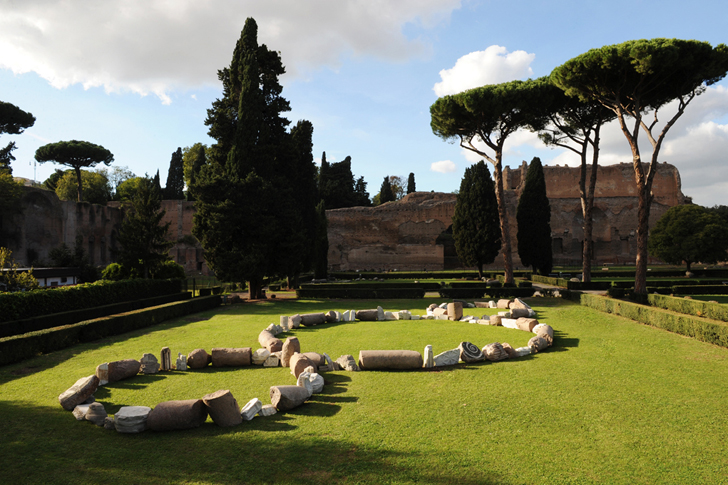
 Baths of CaracallaThe public will have a chance to be some of the only visitors to thee Mithraeum of Caracalla since <a href="http://inhabitat.com/yunak-evleri-is-a-5-star-hotel-built-into-ancient-caves/new-19-12/" target="_blank">ancient times</a>, but only until January. The tours include special programming, guided tours and audioguides. Artist Michelangelo Pistoletto has also been commissioned to install his Il Terzo Paradiso on the Bath’s lawn, to commemorate the opening of the Mithraeum.7


