


Start Slideshow


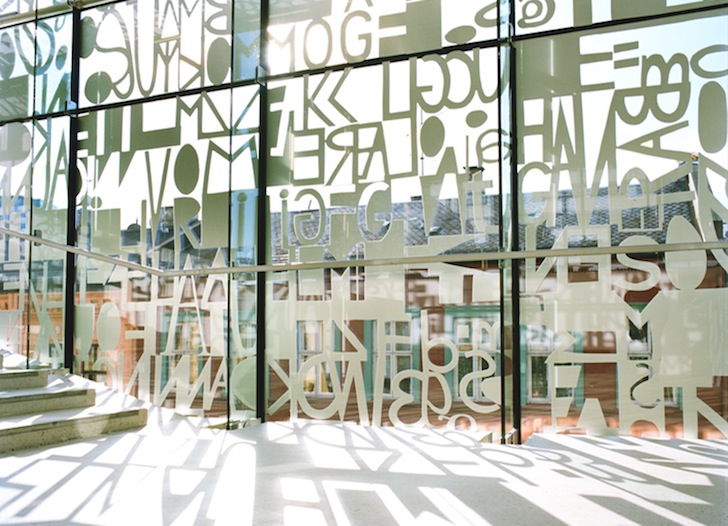


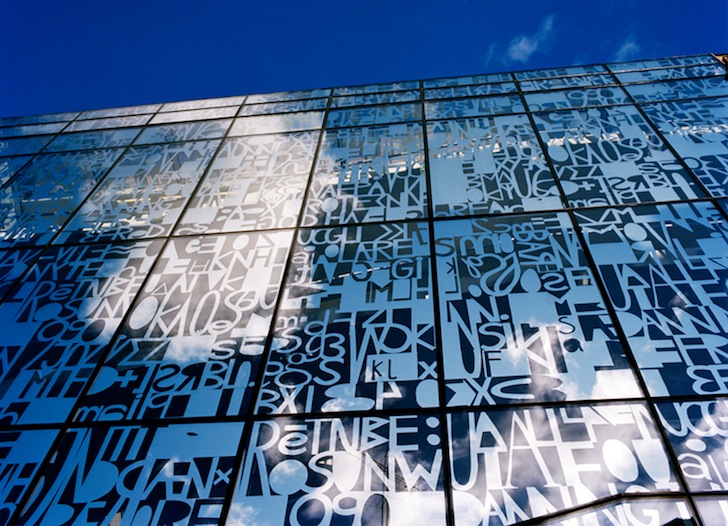
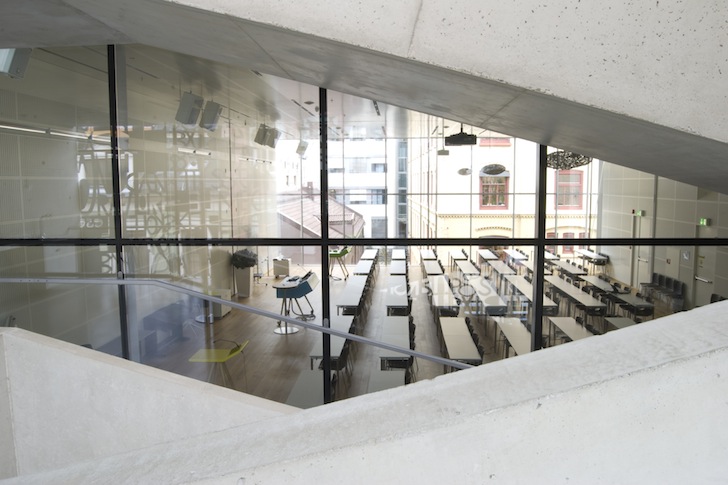




 Teacher's House by Element<a href="http://inhabitat.com/norwegian-northface-home-looks-like-a-periscope-peering-over-the-fjord/">Element Architects</a> scooped up all kinds of awards for their Teacher's House in Norway, which features an artsy silkscreen façade designed by acclaimed artist <a href="http://www.arcticbranding.com/jsannes/index.php?subj=2">Jorunn Sannes</a>, as well as a host of groundbreaking energy-saving technologies. Constrained by existing historical structures on either side of what is now the conference block for Norway's Teacher's Union, the designers sat in 75 meetings before the design was finalized and construction was allowed to proceed. But this caution has definitely paid off. Step inside for a closer look at how Element and <a href="http://www.facebook.com/people/Jan-Petter-Dybdahl/100000116931637">Jan Petter Dybdahl</a> created their soon-to-be energy-positive urban marvel.1
 Teacher's House by ElementThis striking building is an extension of Norway's Teacher's Union offices2
 Teacher's House by ElementThe silkscreen facade was designed by Jorunn Sannes3
 Teacher's House by ElementThe main staircase's handrail includes an LED tube for low-energy lighting4
 Teacher's House by ElementPlenty of daylight illuminates this striking building5
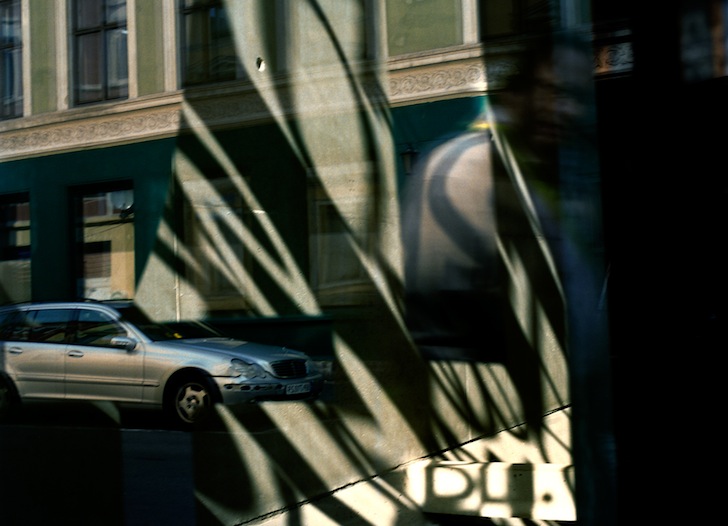
 Teacher's House by ElementThe facade strikes fascinating shadows inside6
 Teacher's House by ElementAlthough beautiful to look at, the facade doubles as a sunscreen7
 Teacher's House by ElementEventually this building will be slightly energy-positive8
 Teacher's House by ElementTen energy wells in the backyard store energy collected9
 Teacher's House by ElementTubes in the staircase circulate cold and warm water -- depending on the time of year10
 Teacher's House by ElementThe view of the street from inside the double-paned glass facade11
 Teacher's House by ElementThe facade's Nordic designer is world-renowned12
 Teacher's House by ElementThe view of the building at night13
 Teacher's House by Element75 meetings were held to ensure the new design would not impact negatively on existing historical buildings14


