


Start Slideshow


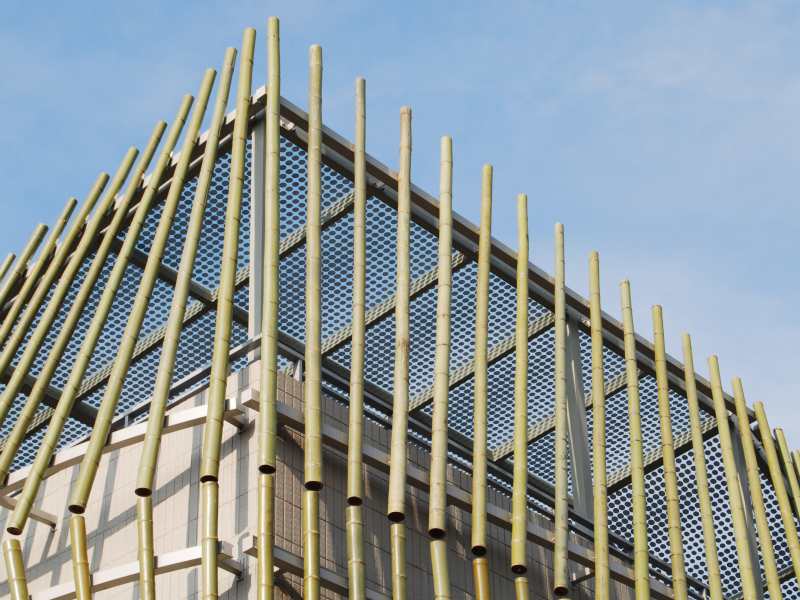
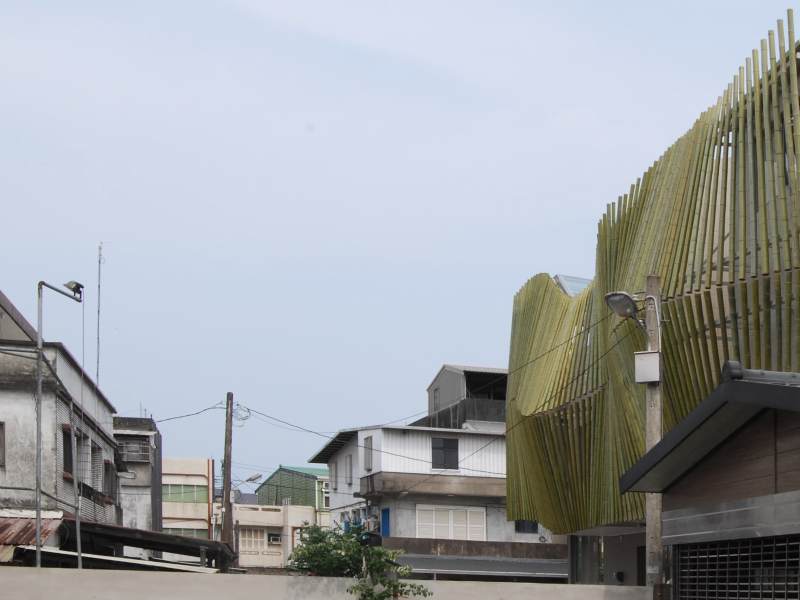
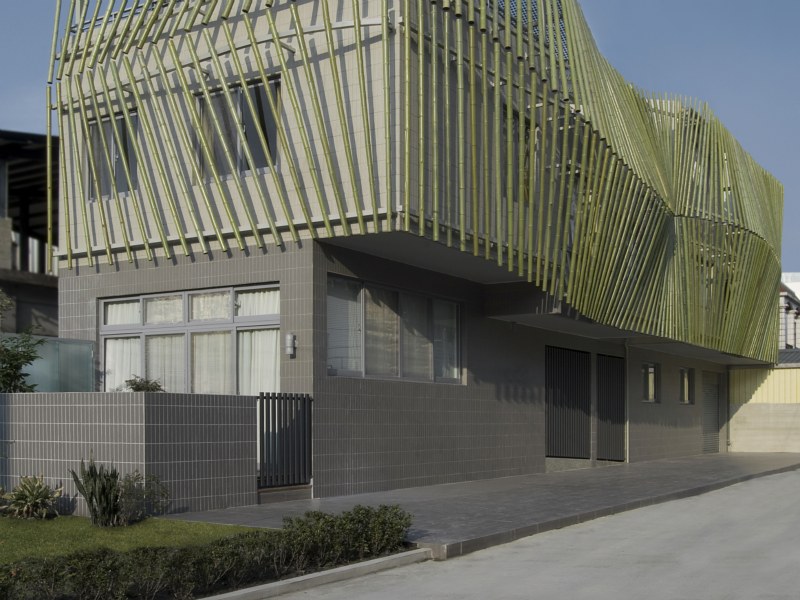



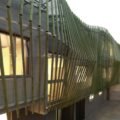 Bamboo Forest HouseIn hot and muggy urban <a href="http://inhabitat.com/futuristic-solar-skyscraper-wins-the-taiwan-tower-competition/" target="_blank">Taiwan</a> there's two important things you need in a house - air conditioning and security. London-based <a href="http://www.roewu.com/" target="_blank">ROEWU </a>architecture came up with a clever green solution for a family home in eastern Taiwan that involves a beautiful <a href="http://inhabitat.com/tag/bamboo" target="_blank">bamboo</a> screen wrap. The screen is a more aesthetically pleasing version of the steel security bars found on most homes, and it allows windows to be open to aid natural ventilation. The Bamboo Forest House makes such good use of natural lighting and ventilation that the need for air conditioning is completely eliminated.1
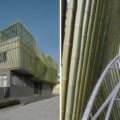 Bamboo Forest HouseThe family home is located on a tight and long narrow plot bordered on three sides by houses with shared walls -- the only free opening is towards the street.2
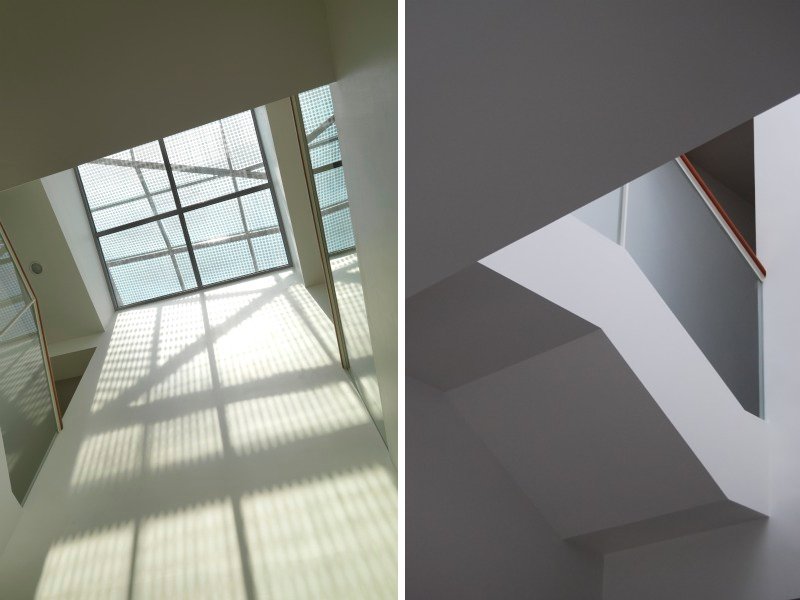
 Bamboo Forest HouseIn order to bring more <a href="http://www.inhabitat.com/tag/daylighting" target="_blank">daylight</a> and fresh air into the three-story home, ROEWU designed the project as a series of volumes with gaps and voids.3
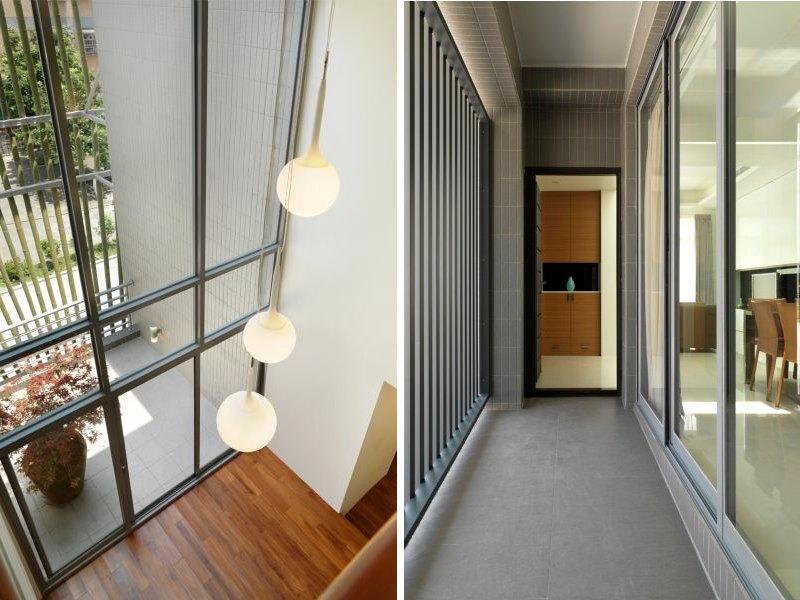
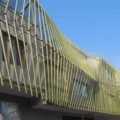
 Bamboo Forest HouseMany of the home's windows are open, so in order to enhance security ROEWU designed a bamboo <a href="http://inhabitat.com/thai-building-facade-handmade-from-natural-banana-fiber/" target="_blank">screen</a> wrap that covers the home, providing protection as well as a close connection with nature.4
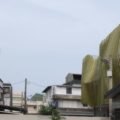 Bamboo Forest HouseBack in London, ROEWU used 3D design to determine the size and position of each bamboo pole and created a detailed list to give to the contractors on-site in Taiwan.5
 Bamboo Forest HouseThe step-by-step instructions allowed the architects to translate a complicated design into a simple construction process for the workers.6
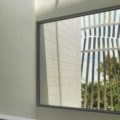 Bamboo Forest HouseThe bamboo is connected to the home with unique concealed fixtures, which make the protective screen appear to float.7
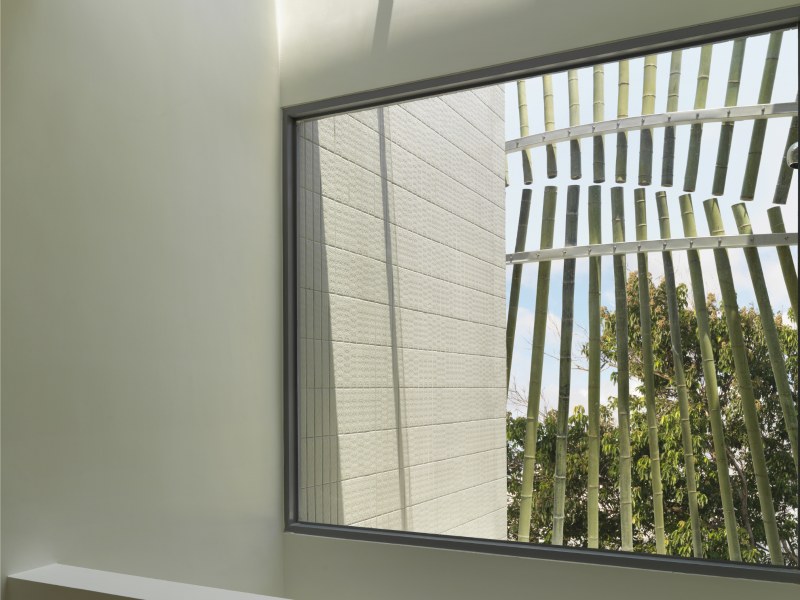
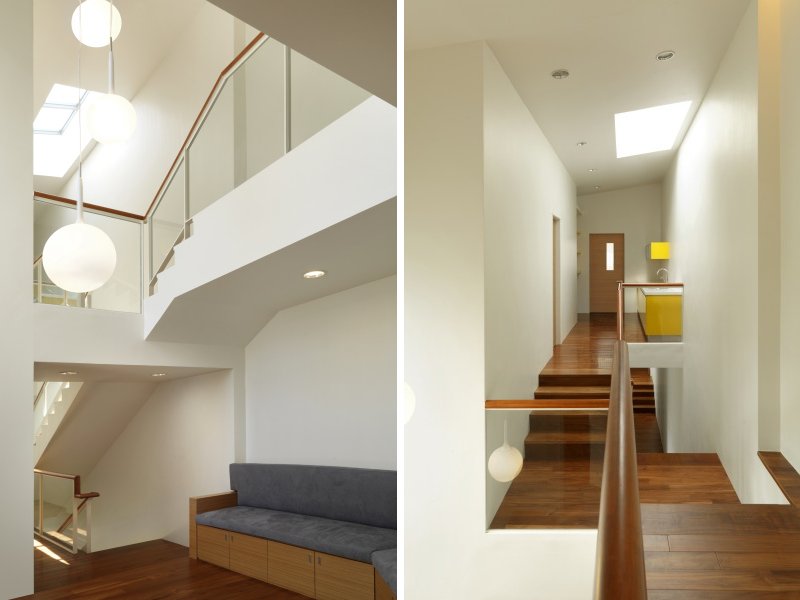
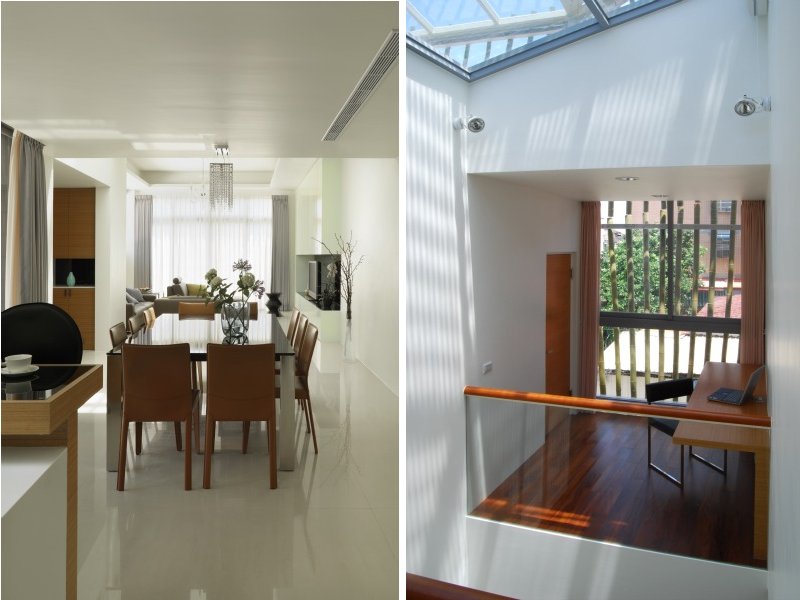
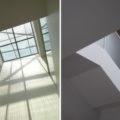 Bamboo Forest HouseSunlight shines in and bounces off walls and into all of the rooms, while the floorplan includes several double and triple-height void spaces that allow air to move up and out of the house.8
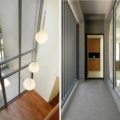 Bamboo Forest HouseIn order to bring more <a href="http://www.inhabitat.com/tag/daylighting" target="_blank">daylight</a> and fresh air into the three-story home, ROEWU designed the project as a series of volumes with gaps and voids.9
 Bamboo Forest HouseIn the winter, when the weather is cooler, the family spends their time singing in the karaoke lounge and bathing in the spa on the second floor.10
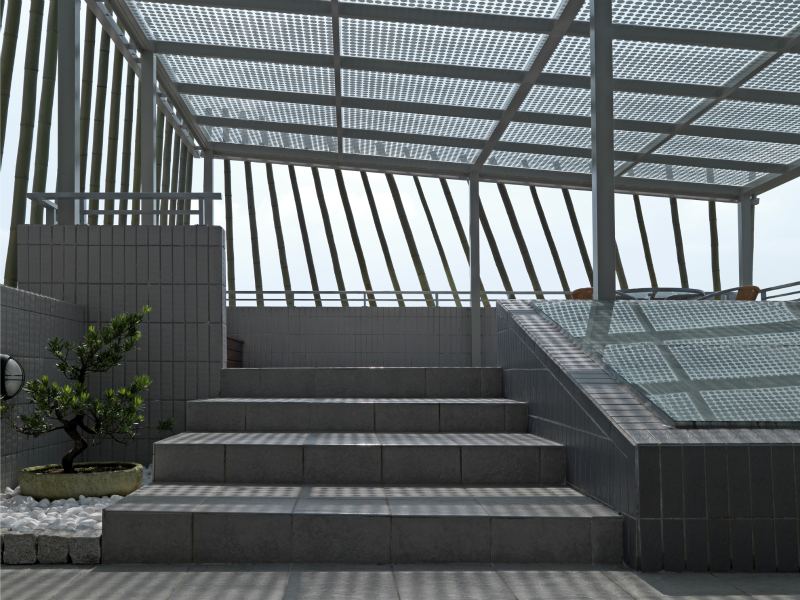
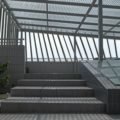 Bamboo Forest HouseIn the summer, the family can enjoy the rooftop deck with a variably-patterned <a href="http://inhabitat.com/thai-building-facade-handmade-from-natural-banana-fiber/" target="_blank">sun-shade system</a> surrounded by bamboo that invites cooling breezes.11
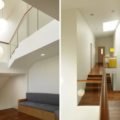 Bamboo Forest HouseNatural ventilation eliminates the need for air conditioning, which is a major consumer of electricity in Taiwan.12
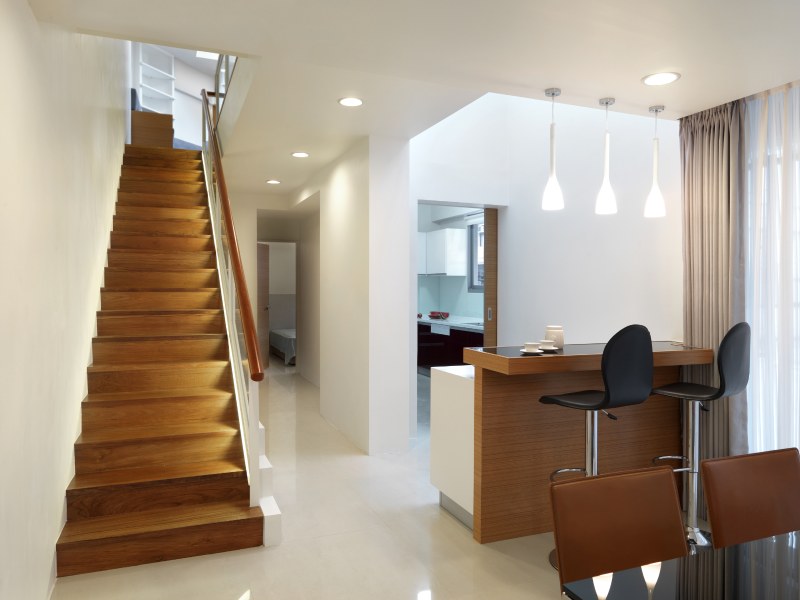
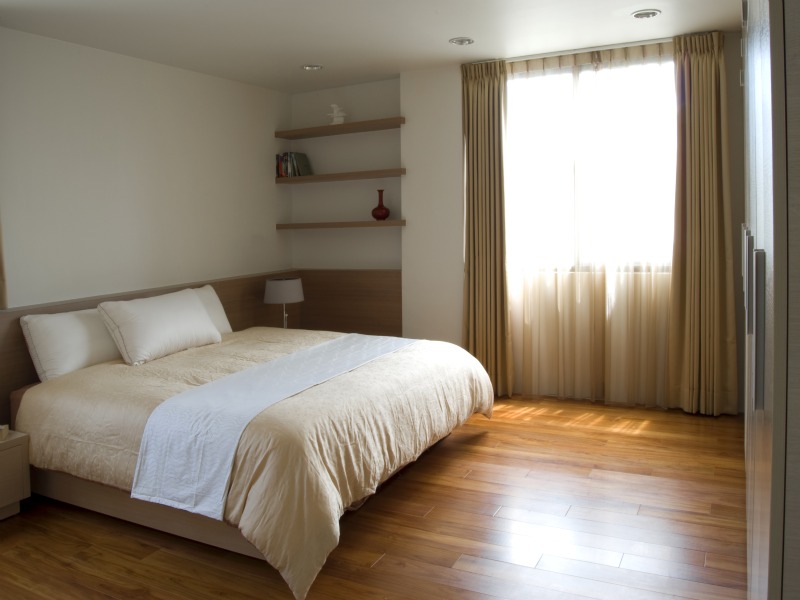
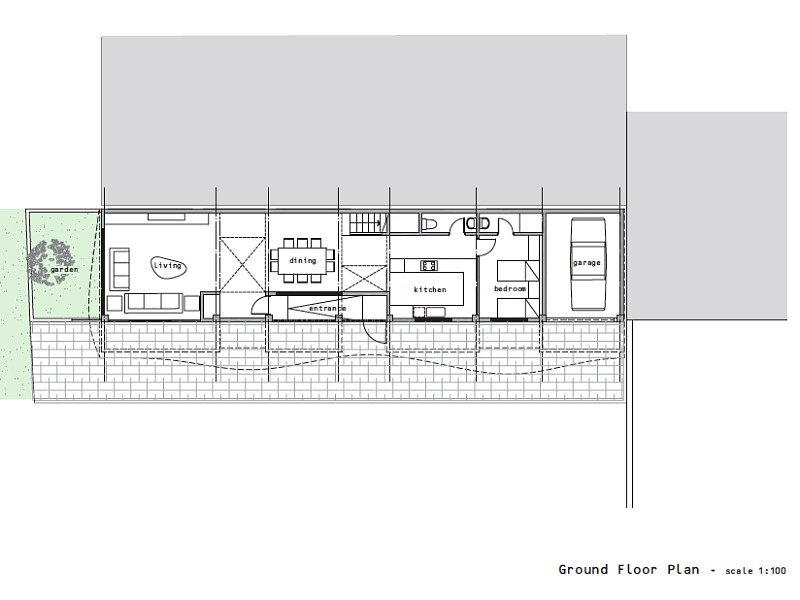
 Bamboo Forest HouseThe three-story home contains six bedrooms, with dining, living and kitchen space on the ground floor and open air living spaces on upper floors.13
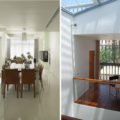 Bamboo Forest HouseWhile narrow, the home feels roomy due to the abundance of natural light flooding in through the voids.14
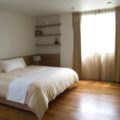 Bamboo Forest HouseThe bamboo on the exterior of the house changes the light patterns throughout the day.15
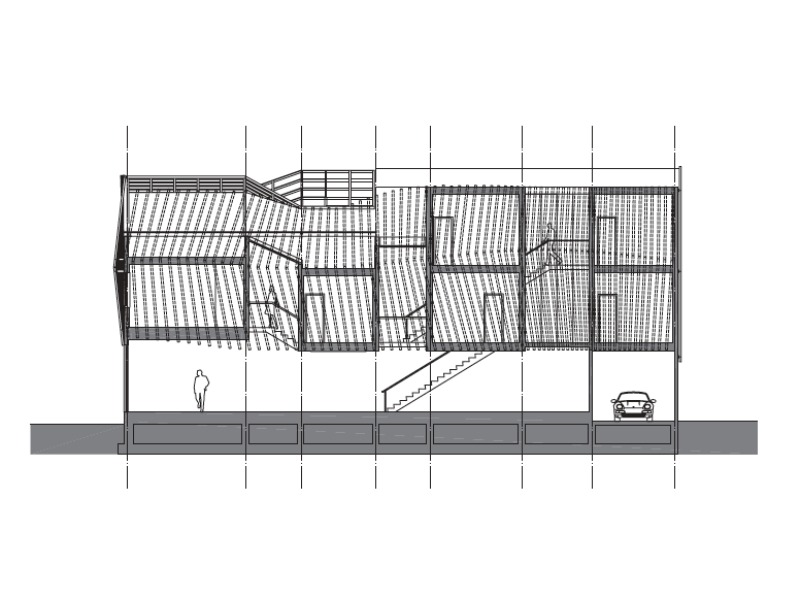
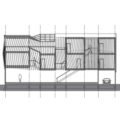 Bamboo Forest HouseThe side elevation of the three story home.16
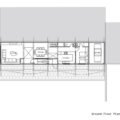 Bamboo Forest HouseThe home's ground floor plan with kitchen, dining and living room.17
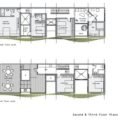 Bamboo Forest HouseSecond and third floor plan. Note the Karaoke Bar in the second floor.18
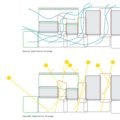 Bamboo Forest HouseSunlight and air are able to easily travel throughout the home.19



















