


Start Slideshow

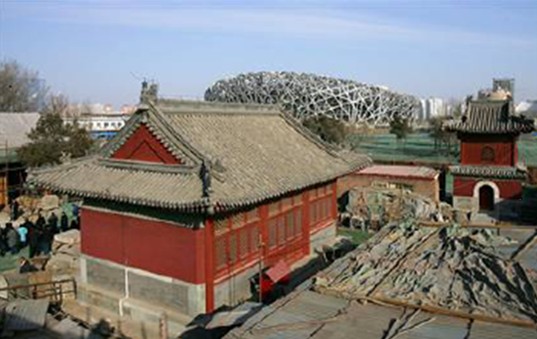
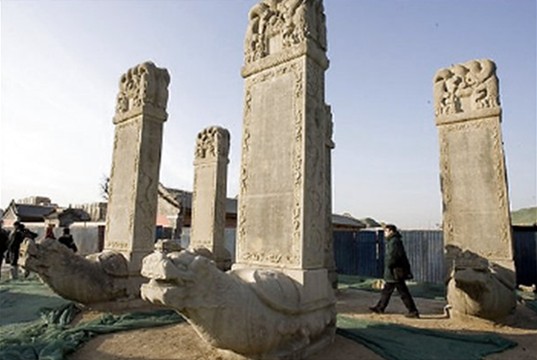

 Sasaki Associates, Beijing Olympic Green, 2008 Olympics'The Olympics are less than one year away and construction on Beijing’s Olympic Green and Forest Parkis stepping into high gear. The Olympic Green, a massive 1,135 hectares along the historic north-south central axis of Beijing, will be the heart of the Olympic games and the site of thirteen venues, including the stunning Olympic Stadiumand National Swim Center. U.S. design firm Sasaki has emphasized sustainability and post-Olympic use in their design—a problem many hosting cities find themselves faced with once the events are over.1
 Niang Niang Temple at the Beijing Olympic GreenThe Olympics are less than one year away and construction on Beijing’s Olympic Green and Forest Parkis stepping into high gear. The Olympic Green, a massive 1,135 hectares along the historic north-south central axis of Beijing, will be the heart of the Olympic games and the site of thirteen venues, including the stunning Olympic Stadiumand National Swim Center. U.S. design firm Sasaki has emphasized sustainability and post-Olympic use in their design—a problem many hosting cities find themselves faced with once the events are over.2
 Dragon King Temple at the Beijing Olympic GreenThe Olympics are less than one year away and construction on Beijing’s Olympic Green and Forest Parkis stepping into high gear. The Olympic Green, a massive 1,135 hectares along the historic north-south central axis of Beijing, will be the heart of the Olympic games and the site of thirteen venues, including the stunning Olympic Stadiumand National Swim Center. U.S. design firm Sasaki has emphasized sustainability and post-Olympic use in their design—a problem many hosting cities find themselves faced with once the events are over.3
 Sasaki's Olympic Green in BeijingThe Olympics are less than one year away and construction on Beijing’s Olympic Green and Forest Parkis stepping into high gear. The Olympic Green, a massive 1,135 hectares along the historic north-south central axis of Beijing, will be the heart of the Olympic games and the site of thirteen venues, including the stunning Olympic Stadiumand National Swim Center. U.S. design firm Sasaki has emphasized sustainability and post-Olympic use in their design—a problem many hosting cities find themselves faced with once the events are over.4
