


Start Slideshow


 Coconut CoirAnyone who has ever cared for plants has probably purchased commercial potting soil at some point in their lives - but did you know that almost all commercial potting soils are made from peat - a non-renewable resource which exists in very limited quantities on our planet, and has be harvested from peat bogs which are thousands of years old? When I first heard about this I had no idea! Most peat comes from wetlands and swamp forests where it forms naturally from decomposing material and helps regulate carbon as well as support wildlife. To put this into perspective, a loss of just 5% of the carbon stored in Britain's peatlands would equate to the UK’s total annual green house gas emissions (according to the International Union for Conservation of Nature). Given the importance of peat to our eco system, it hardly seems wise for us to continue to remove it just so that we can grow houseplants. Because of the ecological issues with using peat in soil, some growers like Costa Farms are searching for more sustainable alternatives for use in plant soil. On a recent trip to Costa's Miami farm, we were introduced to one such substance called coconut coir. Coconut coir is attractive because it's a byproduct of the coconut industry that is not eaten or used as fuel, and on top of that, it actually promotes plant health. Read on to find out more about this eco-friendly growing medium and flip through our pics of coir being processed.1
 Coconut CoirAnyone who has ever cared for plants has probably purchased commercial potting soil at some point in their lives - but did you know that almost all commercial potting soils are made from peat - a non-renewable resource which exists in very limited quantities on our planet, and has be harvested from peat bogs which are thousands of years old? When I first heard about this I had no idea! Most peat comes from wetlands and swamp forests where it forms naturally from decomposing material and helps regulate carbon as well as support wildlife. To put this into perspective, a loss of just 5% of the carbon stored in Britain's peatlands would equate to the UK’s total annual green house gas emissions (according to the International Union for Conservation of Nature). Given the importance of peat to our eco system, it hardly seems wise for us to continue to remove it just so that we can grow houseplants. Because of the ecological issues with using peat in soil, some growers like Costa Farms are searching for more sustainable alternatives for use in plant soil. On a recent trip to Costa's Miami farm, we were introduced to one such substance called coconut coir. Coconut coir is attractive because it's a byproduct of the coconut industry that is not eaten or used as fuel, and on top of that, it actually promotes plant health. Read on to find out more about this eco-friendly growing medium and flip through our pics of coir being processed.2
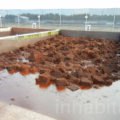 Coconut CoirAnyone who has ever cared for plants has probably purchased commercial potting soil at some point in their lives - but did you know that almost all commercial potting soils are made from peat - a non-renewable resource which exists in very limited quantities on our planet, and has be harvested from peat bogs which are thousands of years old? When I first heard about this I had no idea! Most peat comes from wetlands and swamp forests where it forms naturally from decomposing material and helps regulate carbon as well as support wildlife. To put this into perspective, a loss of just 5% of the carbon stored in Britain's peatlands would equate to the UK’s total annual green house gas emissions (according to the International Union for Conservation of Nature). Given the importance of peat to our eco system, it hardly seems wise for us to continue to remove it just so that we can grow houseplants. Because of the ecological issues with using peat in soil, some growers like Costa Farms are searching for more sustainable alternatives for use in plant soil. On a recent trip to Costa's Miami farm, we were introduced to one such substance called coconut coir. Coconut coir is attractive because it's a byproduct of the coconut industry that is not eaten or used as fuel, and on top of that, it actually promotes plant health. Read on to find out more about this eco-friendly growing medium and flip through our pics of coir being processed.3
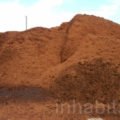 Coconut CoirAnyone who has ever cared for plants has probably purchased commercial potting soil at some point in their lives - but did you know that almost all commercial potting soils are made from peat - a non-renewable resource which exists in very limited quantities on our planet, and has be harvested from peat bogs which are thousands of years old? When I first heard about this I had no idea! Most peat comes from wetlands and swamp forests where it forms naturally from decomposing material and helps regulate carbon as well as support wildlife. To put this into perspective, a loss of just 5% of the carbon stored in Britain's peatlands would equate to the UK’s total annual green house gas emissions (according to the International Union for Conservation of Nature). Given the importance of peat to our eco system, it hardly seems wise for us to continue to remove it just so that we can grow houseplants. Because of the ecological issues with using peat in soil, some growers like Costa Farms are searching for more sustainable alternatives for use in plant soil. On a recent trip to Costa's Miami farm, we were introduced to one such substance called coconut coir. Coconut coir is attractive because it's a byproduct of the coconut industry that is not eaten or used as fuel, and on top of that, it actually promotes plant health. Read on to find out more about this eco-friendly growing medium and flip through our pics of coir being processed.4
 Coconut CoirAnyone who has ever cared for plants has probably purchased commercial potting soil at some point in their lives - but did you know that almost all commercial potting soils are made from peat - a non-renewable resource which exists in very limited quantities on our planet, and has be harvested from peat bogs which are thousands of years old? When I first heard about this I had no idea! Most peat comes from wetlands and swamp forests where it forms naturally from decomposing material and helps regulate carbon as well as support wildlife. To put this into perspective, a loss of just 5% of the carbon stored in Britain's peatlands would equate to the UK’s total annual green house gas emissions (according to the International Union for Conservation of Nature). Given the importance of peat to our eco system, it hardly seems wise for us to continue to remove it just so that we can grow houseplants. Because of the ecological issues with using peat in soil, some growers like Costa Farms are searching for more sustainable alternatives for use in plant soil. On a recent trip to Costa's Miami farm, we were introduced to one such substance called coconut coir. Coconut coir is attractive because it's a byproduct of the coconut industry that is not eaten or used as fuel, and on top of that, it actually promotes plant health. Read on to find out more about this eco-friendly growing medium and flip through our pics of coir being processed.5
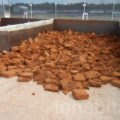 Coconut CoirAnyone who has ever cared for plants has probably purchased commercial potting soil at some point in their lives - but did you know that almost all commercial potting soils are made from peat - a non-renewable resource which exists in very limited quantities on our planet, and has be harvested from peat bogs which are thousands of years old? When I first heard about this I had no idea! Most peat comes from wetlands and swamp forests where it forms naturally from decomposing material and helps regulate carbon as well as support wildlife. To put this into perspective, a loss of just 5% of the carbon stored in Britain's peatlands would equate to the UK’s total annual green house gas emissions (according to the International Union for Conservation of Nature). Given the importance of peat to our eco system, it hardly seems wise for us to continue to remove it just so that we can grow houseplants. Because of the ecological issues with using peat in soil, some growers like Costa Farms are searching for more sustainable alternatives for use in plant soil. On a recent trip to Costa's Miami farm, we were introduced to one such substance called coconut coir. Coconut coir is attractive because it's a byproduct of the coconut industry that is not eaten or used as fuel, and on top of that, it actually promotes plant health. Read on to find out more about this eco-friendly growing medium and flip through our pics of coir being processed.6
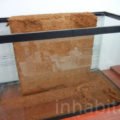 Coconut CoirAnyone who has ever cared for plants has probably purchased commercial potting soil at some point in their lives - but did you know that almost all commercial potting soils are made from peat - a non-renewable resource which exists in very limited quantities on our planet, and has be harvested from peat bogs which are thousands of years old? When I first heard about this I had no idea! Most peat comes from wetlands and swamp forests where it forms naturally from decomposing material and helps regulate carbon as well as support wildlife. To put this into perspective, a loss of just 5% of the carbon stored in Britain's peatlands would equate to the UK’s total annual green house gas emissions (according to the International Union for Conservation of Nature). Given the importance of peat to our eco system, it hardly seems wise for us to continue to remove it just so that we can grow houseplants. Because of the ecological issues with using peat in soil, some growers like Costa Farms are searching for more sustainable alternatives for use in plant soil. On a recent trip to Costa's Miami farm, we were introduced to one such substance called coconut coir. Coconut coir is attractive because it's a byproduct of the coconut industry that is not eaten or used as fuel, and on top of that, it actually promotes plant health. Read on to find out more about this eco-friendly growing medium and flip through our pics of coir being processed.7
 Coconut CoirAnyone who has ever cared for plants has probably purchased commercial potting soil at some point in their lives - but did you know that almost all commercial potting soils are made from peat - a non-renewable resource which exists in very limited quantities on our planet, and has be harvested from peat bogs which are thousands of years old? When I first heard about this I had no idea! Most peat comes from wetlands and swamp forests where it forms naturally from decomposing material and helps regulate carbon as well as support wildlife. To put this into perspective, a loss of just 5% of the carbon stored in Britain's peatlands would equate to the UK’s total annual green house gas emissions (according to the International Union for Conservation of Nature). Given the importance of peat to our eco system, it hardly seems wise for us to continue to remove it just so that we can grow houseplants. Because of the ecological issues with using peat in soil, some growers like Costa Farms are searching for more sustainable alternatives for use in plant soil. On a recent trip to Costa's Miami farm, we were introduced to one such substance called coconut coir. Coconut coir is attractive because it's a byproduct of the coconut industry that is not eaten or used as fuel, and on top of that, it actually promotes plant health. Read on to find out more about this eco-friendly growing medium and flip through our pics of coir being processed.8
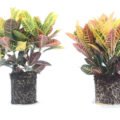 Coconut CoirAnyone who has ever cared for plants has probably purchased commercial potting soil at some point in their lives - but did you know that almost all commercial potting soils are made from peat - a non-renewable resource which exists in very limited quantities on our planet, and has be harvested from peat bogs which are thousands of years old? When I first heard about this I had no idea! Most peat comes from wetlands and swamp forests where it forms naturally from decomposing material and helps regulate carbon as well as support wildlife. To put this into perspective, a loss of just 5% of the carbon stored in Britain's peatlands would equate to the UK’s total annual green house gas emissions (according to the International Union for Conservation of Nature). Given the importance of peat to our eco system, it hardly seems wise for us to continue to remove it just so that we can grow houseplants. Because of the ecological issues with using peat in soil, some growers like Costa Farms are searching for more sustainable alternatives for use in plant soil. On a recent trip to Costa's Miami farm, we were introduced to one such substance called coconut coir. Coconut coir is attractive because it's a byproduct of the coconut industry that is not eaten or used as fuel, and on top of that, it actually promotes plant health. Read on to find out more about this eco-friendly growing medium and flip through our pics of coir being processed.9
 Coconut CoirAnyone who has ever cared for plants has probably purchased commercial potting soil at some point in their lives - but did you know that almost all commercial potting soils are made from peat - a non-renewable resource which exists in very limited quantities on our planet, and has be harvested from peat bogs which are thousands of years old? When I first heard about this I had no idea! Most peat comes from wetlands and swamp forests where it forms naturally from decomposing material and helps regulate carbon as well as support wildlife. To put this into perspective, a loss of just 5% of the carbon stored in Britain's peatlands would equate to the UK’s total annual green house gas emissions (according to the International Union for Conservation of Nature). Given the importance of peat to our eco system, it hardly seems wise for us to continue to remove it just so that we can grow houseplants. Because of the ecological issues with using peat in soil, some growers like Costa Farms are searching for more sustainable alternatives for use in plant soil. On a recent trip to Costa's Miami farm, we were introduced to one such substance called coconut coir. Coconut coir is attractive because it's a byproduct of the coconut industry that is not eaten or used as fuel, and on top of that, it actually promotes plant health. Read on to find out more about this eco-friendly growing medium and flip through our pics of coir being processed.10
 Coconut CoirAnyone who has ever cared for plants has probably purchased commercial potting soil at some point in their lives - but did you know that almost all commercial potting soils are made from peat - a non-renewable resource which exists in very limited quantities on our planet, and has be harvested from peat bogs which are thousands of years old? When I first heard about this I had no idea! Most peat comes from wetlands and swamp forests where it forms naturally from decomposing material and helps regulate carbon as well as support wildlife. To put this into perspective, a loss of just 5% of the carbon stored in Britain's peatlands would equate to the UK’s total annual green house gas emissions (according to the International Union for Conservation of Nature). Given the importance of peat to our eco system, it hardly seems wise for us to continue to remove it just so that we can grow houseplants. Because of the ecological issues with using peat in soil, some growers like Costa Farms are searching for more sustainable alternatives for use in plant soil. On a recent trip to Costa's Miami farm, we were introduced to one such substance called coconut coir. Coconut coir is attractive because it's a byproduct of the coconut industry that is not eaten or used as fuel, and on top of that, it actually promotes plant health. Read on to find out more about this eco-friendly growing medium and flip through our pics of coir being processed.11











