


Start Slideshow


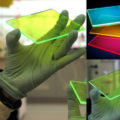 GreenSun Colored Solar PanelsWith normal solar cells, you need direct sunlight for them to generate power, and if the panels are at all shaded the efficiency drops significantly. A new type of solar cell, being developed in Jerusalem, is making huge waves because it can generate power from diffuse light using a specialized colored panel. They look a bit like colored plexi-glass but are actually panes made with fluorescent dyes and nanoparticle metals, and could possibly eclipse traditional solar panels in terms of price....<br><br><a href='https://inhabitat.com/colored-solar-panels-dont-need-direct-sunlight/'>READ ARTICLE</a>1
 GreenSun Colored Solar PanelsWith normal solar cells, you need direct sunlight for them to generate power, and if the panels are at all shaded the efficiency drops significantly. A new type of solar cell, being developed in Jerusalem, is making huge waves because it can generate power from diffuse light using a specialized colored panel. They look a bit like colored plexi-glass but are actually panes made with fluorescent dyes and nanoparticle metals, and could possibly eclipse traditional solar panels in terms of price....<br><br><a href='https://inhabitat.com/colored-solar-panels-dont-need-direct-sunlight/'>READ ARTICLE</a>2
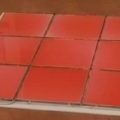 GreenSun Colored Solar PanelsWith normal solar cells, you need direct sunlight for them to generate power, and if the panels are at all shaded the efficiency drops significantly. A new type of solar cell, being developed in Jerusalem, is making huge waves because it can generate power from diffuse light using a specialized colored panel. They look a bit like colored plexi-glass but are actually panes made with fluorescent dyes and nanoparticle metals, and could possibly eclipse traditional solar panels in terms of price....<br><br><a href='https://inhabitat.com/colored-solar-panels-dont-need-direct-sunlight/'>READ ARTICLE</a>3
 GreenSun Colored Solar PanelsWith normal solar cells, you need direct sunlight for them to generate power, and if the panels are at all shaded the efficiency drops significantly. A new type of solar cell, being developed in Jerusalem, is making huge waves because it can generate power from diffuse light using a specialized colored panel. They look a bit like colored plexi-glass but are actually panes made with fluorescent dyes and nanoparticle metals, and could possibly eclipse traditional solar panels in terms of price....<br><br><a href='https://inhabitat.com/colored-solar-panels-dont-need-direct-sunlight/'>READ ARTICLE</a>4
