


Start Slideshow


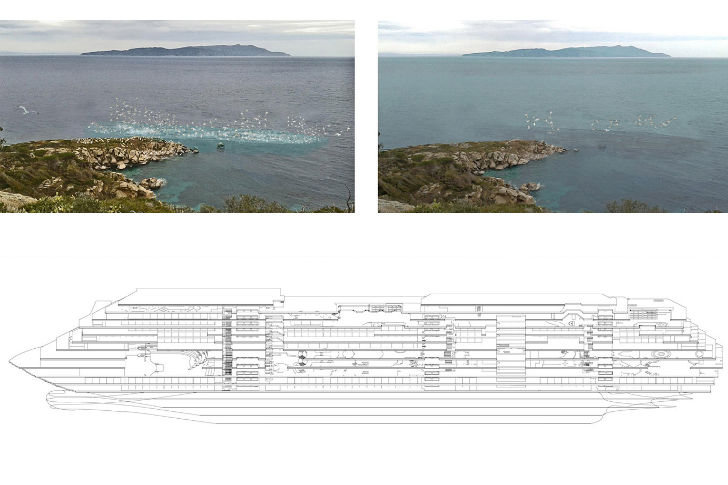


 New Concordia Island Contest-Alexander Laing Francesco Matteo Belfiore1The disastrous wreck of the <a href="http://en.wikipedia.org/wiki/Costa_Concordia_disaster" target="_blank">Costa Concordia</a> off the Italian coast was a tragedy that resulted in 32 deaths and still the ship sits in ruins on the reef off Island of Giglio. A <a href="http://icsplat.org/" target="_blank">new international ideas competition</a> aimed at rethinking the disaster of the wrecked cruise ship recently announced its winners. The proposals seek to rethink the shipwreck and build a new memory and tribute. Four ideas ranging from an artificial reef to public spaces and parks envision new possibilities that transform the disaster into a memorial.1
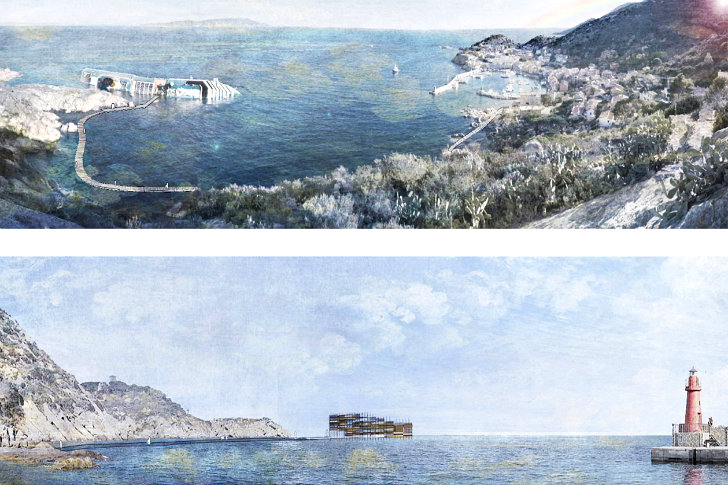
 New Concordia Island Contest-Alexander Laing Francesco Matteo BelfiorFirst place was awarded to Alexander Laing & Francesco Matteo Belfiore from London, who envisioned the transformation of the wreck by exploring the dichotomy between removal and storage. They proposed removing the portion above water and retaining the underwater portion, which becomes a container of new activities and crossings of the ship among paths, tanks of water and surfaces planted. Two suspended routes above the water connect the land to the wreckage for visitors to access it.2
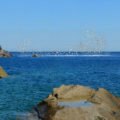 New Concordia Island Contest-Vulmaro ZoffiSecond place went to Vulmaro Zoffi from Milan, Italy, who also proposed removing portions of the ship to create a new artificial reef below the water line to create a new habitat for marine species.3
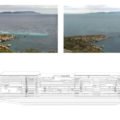 New Concordia Island Contest-Vulmaro ZoffiA sequence of metal blades replace portions of the ship and when the tide falls these are visible to remind visitors of the shape of the ship and become a new place for birds and insects to inhabit.4
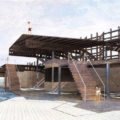 New Concordia Island Contest-Francesco Tonnarelli & Andrea CippitelliThird place was awarded to Francesco Tonnarelli & Andrea Cippitelli of Macerata, Italy, who propose building a new recreational area around the remains.5
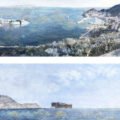 New Concordia Island Contest-Francesco Tonnarelli & Andrea CippitelliA floating boardwalk would provide access from the town to the wreck and new volumes and platforms that offer new opportunities for uses related to activities connected with the sea. Their proposal becomes a seaside attraction and a new public park on the water.6
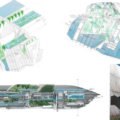
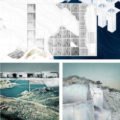 New Concordia Island Contest-Wynn ChandraSharing third place is Wynn Chandra of London, who proposes a cross between a machine and geology at the site of the wreckage. Chandra's design would create a new geological structure in which the natural water environments are tied inside of a matrix to the rock strata of the Island of Giglio.7







