×

SIGN UP

Already have an account? Log In


Connect with:
Facebook Google
Signing Up
  • News
  • Design
  • Lifestyle
  • Environment
  • SUBSCRIBE
  • SUBSCRIBE
  • News
    • Agriculture
      • Fisheries/Fishing
      • Innovations
      • Pesticides
      • Sustainable Agriculture
    • Animals
      • Conservation
      • Endangered & Extinct
    • Business
      • Corporate Responsibility
      • Positive Efforts
      • Problematic Practices
    • Clean Energy
      • Biomass
      • Nuclear
      • Solar
      • Wind
    • Climate Change
      • Ice Melt
      • Positive News
      • Rising Temperatures
      • Warming Oceans
    • Politics
      • Bills and Laws
      • Elections
      • Government Organizations
    • Pollution
      • Air
      • Food Waste
      • Fossil Fuels
      • Plastic
      • Waste Disposal
      • Water
    • Science
      • Health
      • Space
      • Technology
      • Weather
    • Transportation
      • Air Travel
      • Bikes and Scooters
      • Electric Vehicles
      • Public Transit
  • Design
    • Architecture
      • Businesses
      • Homes
      • Hotels
      • Landscape Architecture
      • Public Spaces
      • Schools
    • Art
      • Exhibits
      • Performance Art
      • Public Art
    • Automotive
      • Auto Parts
      • Design
      • Electric Vehicles
      • Hybrids
    • Fashion
      • Accessories
      • Clothing
      • Eco Textiles
      • Jewelry
      • Shoes
    • Furniture
      • Decorative
      • Flexible/Transforming Furniture
      • Kids
      • Outdoor Furnishings
      • Seating
      • Storage
    • Interior Design
      • Bathroom
      • Bedroom
      • Kitchen and Dining
      • Lighting
      • Living Room
      • Office
    • Technology
      • Apps
      • Electronics
      • Other Gadgets
      • Robots
      • Smart Home
    • Tiny Homes
      • Bus Conversions
      • DIY
      • House Boats
      • Rural Tiny Homes
      • Tiny Homes On Wheels
      • Treehouses
      • Urban Tiny Homes
      • Van Conversions
    • Transportation
      • Air Travel
      • Bikes and Scooters
      • Public Transit
      • Trains
      • Water Travel
  • Lifestyle
    • Beauty
      • Hair Care
      • Makeup
      • Personal Care
      • Skincare
    • DIY
      • Beauty
      • Crafts
      • Decor
      • Gifts
      • Home Improvement
      • Household
    • Food
      • Drinks
      • Food Waste
      • Organic
      • Recipes
      • Sustainable
      • Vegan
      • Vegetarian
    • Gardening
      • Indoors
      • Outdoors
      • Plants
      • Urban Gardening
    • Health
      • Avoiding Toxins
      • Fitness
      • Mental Health
      • Nutrition
      • Wellness
    • Holidays
      • Christmas
      • Earth Day
      • Halloween
      • New Year
      • Other Holidays
      • Thanksgiving
      • Valentine's
    • Parenting
      • Activities
      • Clothes
      • Education
      • Food
      • Health
      • Toys
    • Pets
      • Health
      • Pet Care
      • Pet Food
      • Pet Shelters
      • Toys and Accessories
    • Sustainable Living
      • Homesteading
      • How To
      • Off-Grid
      • Zero-Waste
    • Travel
      • Activities
      • Cabins
      • Destinations
      • Glamping
      • Hiking/Camping
      • Hotels
  • Environment
    • Agriculture
      • Farmers Markets
      • Innovations
      • International Agriculture
      • Organic Farming
      • Urban Farming
    • Animals
      • Conservation
      • Endangered & Extinct
    • Community
      • Empowerment
      • Profiles/Interviews
      • Smart Cities
    • Conservation
      • Energy
      • Land
      • Nature
      • Water
    • Reduce, Reuse, Recycle
      • Donating
      • Recycling
      • Reducing
      • Reusing
      • Upcycling
    • Renewable Energy
      • Alternative Sources
      • Biomass
      • Nuclear
      • Solar
      • Wind
    • Science
      • Climate Change
      • Research
      • Space
      • Technological Advancements
  • About Inhabitat
    • About Us
    • Inhabitat Staff
    • Advertising
    • Contact Us
  • SUBSCRIBE
    • Privacy Policy
    • Cookie Policy
    • Terms of Use
    • Manage Preferences Your Privacy Choices

Could Genetically Engineered Pigs Reduce Water Pollution?

04/01/2010
by
Flip It Share Tweet Pin Start Slideshow
Start Slideshow
  • enviropig
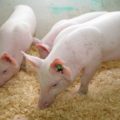
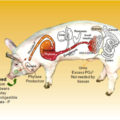
    This story might sound like an April Fool's joke, but we assure you, it's totally real. Canadian researchers have developed Enviropig, a line ofgenetically engineered Yorkshire pigs that can digest phosphorous more efficiently than traditional Yorkshires. Scientists hope the Franken-pigs will prevent phosphorous from running into waterways and decrease the incidence of dead zones. While the idea of modifying pigs to be more earth-friendly is certainly interesting, we have to ask - wouldn't it make the most sense environmentally to simply stop eating or at least cut back on consuming so many animal products? Instead of messing with nature, we could drastically cut the impact of all of the pigs and cows we eat if we just changed our diets a bit.
    1
  • enviropig
    This story might sound like an April Fool's joke, but we assure you, it's totally real. Canadian researchers have developed Enviropig, a line ofgenetically engineered Yorkshire pigs that can digest phosphorous more efficiently than traditional Yorkshires. Scientists hope the Franken-pigs will prevent phosphorous from running into waterways and decrease the incidence of dead zones. While the idea of modifying pigs to be more earth-friendly is certainly interesting, we have to ask - wouldn't it make the most sense environmentally to simply stop eating or at least cut back on consuming so many animal products? Instead of messing with nature, we could drastically cut the impact of all of the pigs and cows we eat if we just changed our diets a bit.
    2
1/2

enviropig

This story might sound like an April Fool's joke, but we assure you, it's totally real. Canadian researchers have developed Enviropig, a line ofgenetically engineered Yorkshire pigs that can digest phosphorous more efficiently than traditional Yorkshires. Scientists hope the Franken-pigs will prevent phosphorous from running into waterways and decrease the incidence of dead zones. While the idea of modifying pigs to be more earth-friendly is certainly interesting, we have to ask - wouldn't it make the most sense environmentally to simply stop eating or at least cut back on consuming so many animal products? Instead of messing with nature, we could drastically cut the impact of all of the pigs and cows we eat if we just changed our diets a bit.

READ MORE...
read full article
Categories:  Environment, News, Politics, Rising Temperatures, Water
Thank you!
Keep an eye out for our weekly newsletter.
Join Our Newsletter
Receive the latest in global news and designs building a better future.