


Start Slideshow



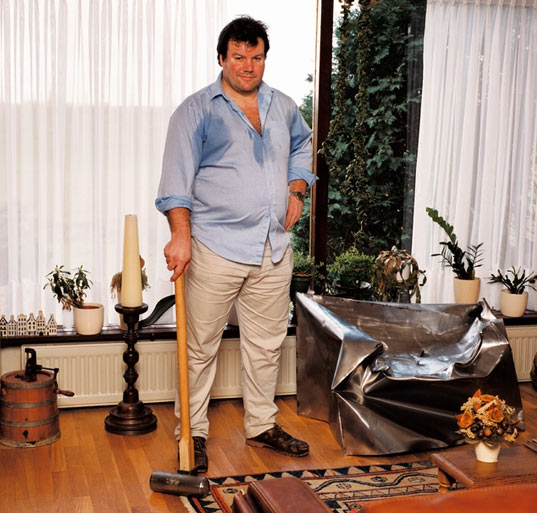
 213752139_481325c538_o2This morning we've been discussing the environmental friendliness of Dutch design. Like Tejo Remy's rag chair (shown above), a lot of Dutch design uses reappropriated objects and recycled materials, challenging users to think about waste, materials, and consumption. However, very few Dutch designers approach their work from the framework of environmental activism. Instead, what seems unique to Dutch design is a passionate concern for engaging the user emotionally and intellectually. It is, in fact, this concern for human interaction which makes much of Dutch design so engaging - and what often also makes it eco-friendly by default.1
 214237788_6d71458641_oThis morning we've been discussing the environmental friendliness of Dutch design. Like Tejo Remy's rag chair (shown above), a lot of Dutch design uses reappropriated objects and recycled materials, challenging users to think about waste, materials, and consumption. However, very few Dutch designers approach their work from the framework of environmental activism. Instead, what seems unique to Dutch design is a passionate concern for engaging the user emotionally and intellectually. It is, in fact, this concern for human interaction which makes much of Dutch design so engaging - and what often also makes it eco-friendly by default.2
 214237789_0033971fd2_oThis morning we've been discussing the environmental friendliness of Dutch design. Like Tejo Remy's rag chair (shown above), a lot of Dutch design uses reappropriated objects and recycled materials, challenging users to think about waste, materials, and consumption. However, very few Dutch designers approach their work from the framework of environmental activism. Instead, what seems unique to Dutch design is a passionate concern for engaging the user emotionally and intellectually. It is, in fact, this concern for human interaction which makes much of Dutch design so engaging - and what often also makes it eco-friendly by default.3
 214237790_c06e6b5f8f_oThis morning we've been discussing the environmental friendliness of Dutch design. Like Tejo Remy's rag chair (shown above), a lot of Dutch design uses reappropriated objects and recycled materials, challenging users to think about waste, materials, and consumption. However, very few Dutch designers approach their work from the framework of environmental activism. Instead, what seems unique to Dutch design is a passionate concern for engaging the user emotionally and intellectually. It is, in fact, this concern for human interaction which makes much of Dutch design so engaging - and what often also makes it eco-friendly by default.4
