


Start Slideshow


 Gensler's Hackable BuildingsIf you ask <a href="http://www.gensler.com/" target="_blank">Gensler</a> what their vision is for the office building of the future, you might be surprised to learn that it's not a brand new building. Last year Gensler's LA Office researched how they could turn our existing building stock into more useful and sustainable structures. They even went so far as to hack the J. Edgar Hoover Building in Washington, DC (and LA's Union Bank) by adding residences, big box retailers and a rooftop soccer field. Their idea was that we already have plenty of good structurally-sound buildings, but these offices could become obsolete unless we turn them into useful spaces that improve the overall urban fabric. This brings a whole new architectural meaning to the phrase <a href="http://www.youtube.com/watch?v=drJWxMLrpE0" target="_blank">"hack the planet."</a>1
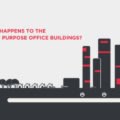 Gensler's Hackable BuildingsThis past year Gensler worked on a plan to envision what an office building would look like in 2050 as part of the <a href="http://www.naiop.org/" target="_blank">NAIOP (Commercial Real Estate Development Association)</a> <a href="http://www.naiop.org/Home/E%20Library/Development/Beyond%20the%20Cube%20Being%20Ready%20for%20Tomorrows%20Office.aspx" target="_blank">competition</a>.2
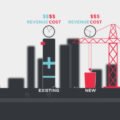 Gensler's Hackable BuildingsGensler was named as one of the winners of this competition in October and shared with us their proposal for renovating our existing building stock into mixed-use and sustainable projects.3
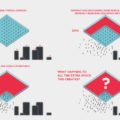 Gensler's Hackable BuildingsAs we become more mobile, the need for traditional office space will shrink even further leaving many buildings sitting idle.4
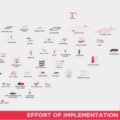 Gensler's Hackable BuildingsRather than build new offices to meet our changing needs, Gensler developed a series of "hacks" or tools that could transform a traditional office tower into a multi-purpose and vibrant space that meets the needs of the entire city and not just businesses.5
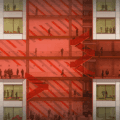 Gensler's Hackable BuildingsTo explain their concept, Gensler hacked both the J. Edgar Hoover Building in DC and the Union Bank tower in LA.6
 Gensler's Hackable BuildingsFor the formidable Hoover building, Gensler proposes a series of changes that opens up the building to the public.7
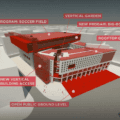 Gensler's Hackable BuildingsThis included adding new windows, internal atriums, public plazas and entrances. They also attached new volumes like a big box retail to the top, a green roof soccer field, retail, a conference center, residences and more.8
 Gensler's Hackable BuildingsTo modify Union Bank, Gensler changed the single use office tower into a multi-purpose project with a hotel, residences, new atriums, retail and an on-site data storage.9
 Gensler's Hackable BuildingsThe hacks also include energy efficient and sustainable strategies to upgrade the buildings and make the interiors healthier.10
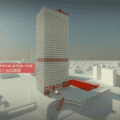 Gensler's Hackable BuildingsAdding improved circulation and a permanent crane to the roof of the Union Bank.11
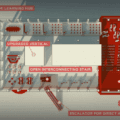 Gensler's Hackable BuildingsHacking the floorplan to make it more useful and flexible.12
 Gensler's Hackable BuildingsGensler's Hackable Buildings show that we don't need new structures to meet the needs of our future. We need only to upgrade our existing building stock and make them more useful for our rapidly changing world.13
 Gensler's Hackable BuildingsBuildings need to be flexible and accommodate a wide range of diverse needs in order to serve our future generations. Their toolbox of architecture hacks could be the starting ground for a new wave of architecture and renovations projects.14














