


Start Slideshow
 3213993757_8e4b26a50b_oDesertification, the degradation of land in arid areas, is a growing problem due to deforestation, fires, and climate change. Magnus Larsson, a student at London's Architectural Association has a drastic solution--a 6,000 km long wall of artificially solidified sandstone spanning the SaharaDesert from east to west. Dunesalong Larsson's sandstone wall will act as a combination of refugee housingand a block against the desert.1
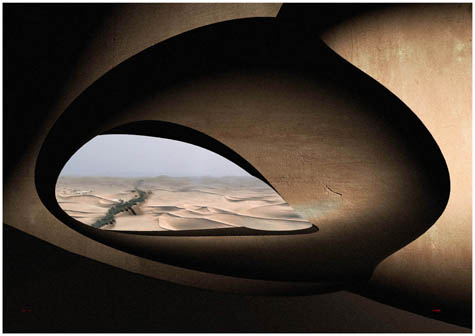 desert2Desertification, the degradation of land in arid areas, is a growing problem due to deforestation, fires, and climate change. Magnus Larsson, a student at London's Architectural Association has a drastic solution--a 6,000 km long wall of artificially solidified sandstone spanning the SaharaDesert from east to west. Dunesalong Larsson's sandstone wall will act as a combination of refugee housingand a block against the desert.2
 3455989201_4581581b37_oDesertification, the degradation of land in arid areas, is a growing problem due to deforestation, fires, and climate change. Magnus Larsson, a student at London's Architectural Association has a drastic solution--a 6,000 km long wall of artificially solidified sandstone spanning the SaharaDesert from east to west. Dunesalong Larsson's sandstone wall will act as a combination of refugee housingand a block against the desert.3
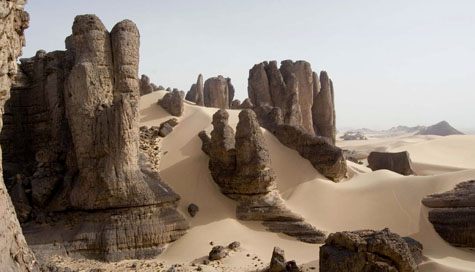 desertDesertification, the degradation of land in arid areas, is a growing problem due to deforestation, fires, and climate change. Magnus Larsson, a student at London's Architectural Association has a drastic solution--a 6,000 km long wall of artificially solidified sandstone spanning the SaharaDesert from east to west. Dunesalong Larsson's sandstone wall will act as a combination of refugee housingand a block against the desert.4
 saharades-ed01Desertification, the degradation of land in arid areas, is a growing problem due to deforestation, fires, and climate change. Magnus Larsson, a student at London's Architectural Association has a drastic solution--a 6,000 km long wall of artificially solidified sandstone spanning the SaharaDesert from east to west. Dunesalong Larsson's sandstone wall will act as a combination of refugee housingand a block against the desert.5
