


Start Slideshow

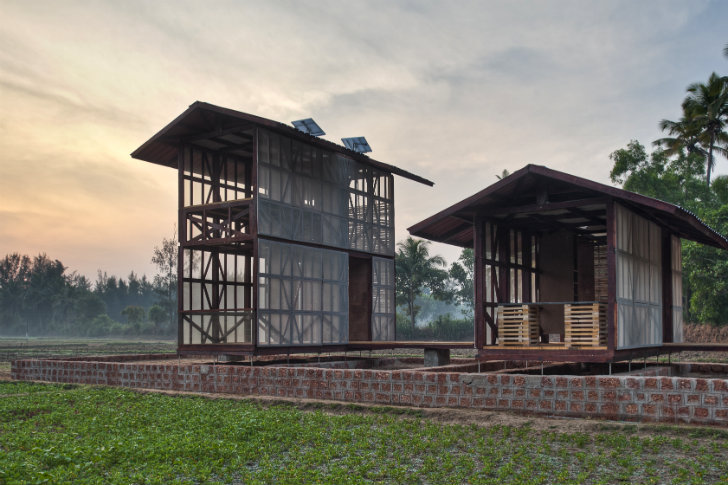
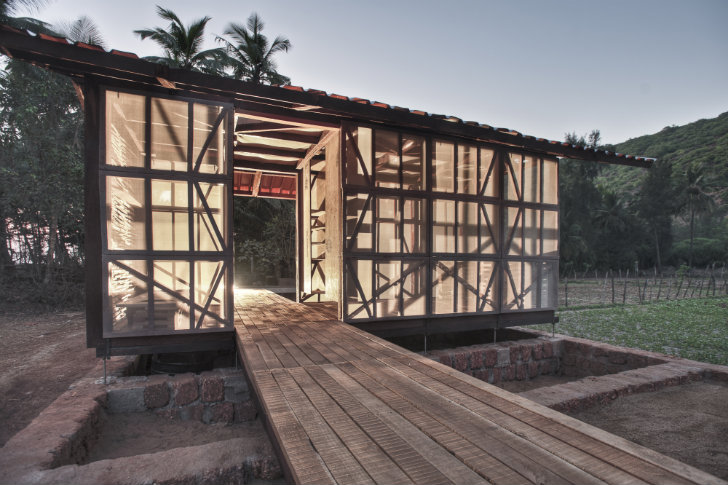
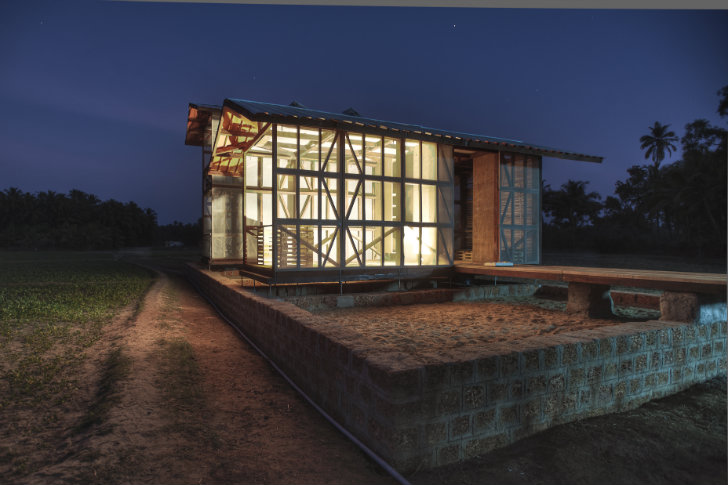
 Kumta Prototype-Rintala EggertssonLast year, <a href="http://www.rintalaeggertsson.com/" target="_blank">Rintala Eggertsson Architects</a> and a group of students from the <a href="http://www.ntnu.edu/" target="_blank">Norwegian University of Science & Technology in Trondheim</a> held a workshop to design and build an eco home model for the Western Ghats region in India. The workshop was in support of the Panchabhuta Conservation Foundation to develop concepts for eco tourism and an affordable, sustainable and replicable home. The successful efforts yielded Hut-to-Hut, a two hut compound made from local materials that allows for expansion over time. The off-grid project is powered by solar panels and makes use of a composting latrine that produces biogas to provide energy for the family.1
 Kumta Prototype-Rintala EggertssonFollowing an international seminar about the future of eco-tourism in the Western Ghats region in India, Sami Rintala, Daggur Eggertsson and Pasi Aalto of <a href="http://www.rintalaeggertsson.com/0.html" target="_blank">Rintala Eggertsson Architects</a> and a group of students from the Norwegian University of Science & Technology set about to build an eco model home.2
 Kumta Prototype-Rintala EggertssonTheir goal was to find a solution the would benefit the local population in an around Kagala, Karnataka, India.3
 Kumta Prototype-Rintala EggertssonThey also hoped to develop a model that would help the region in terms of environmental sustainability.4
 Kumta Prototype-Rintala EggertssonThe project was created for the Panchabhuta Conservation Foundation and created a working model of a two hut home.5
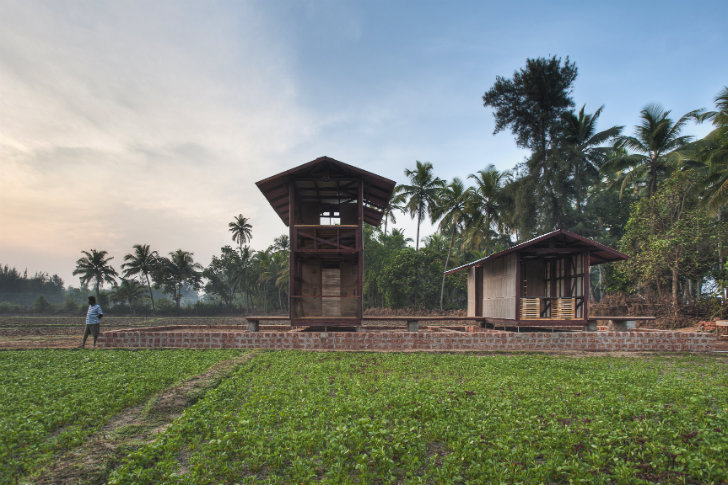
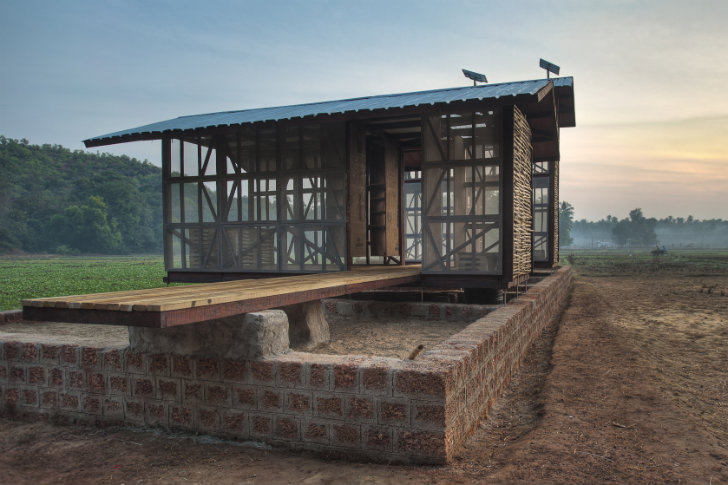
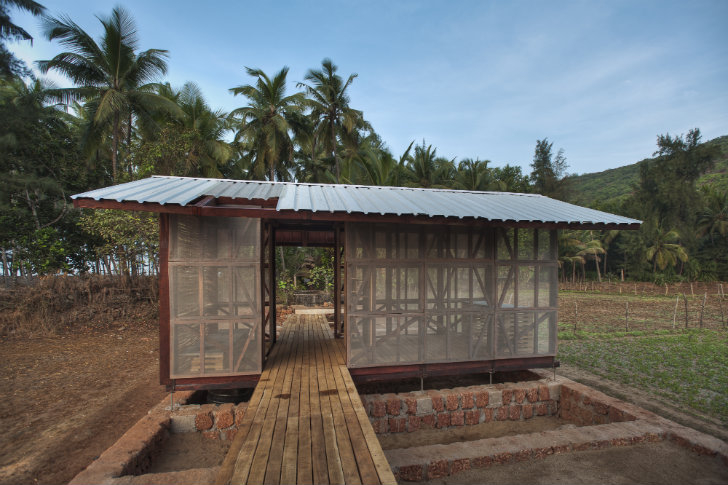
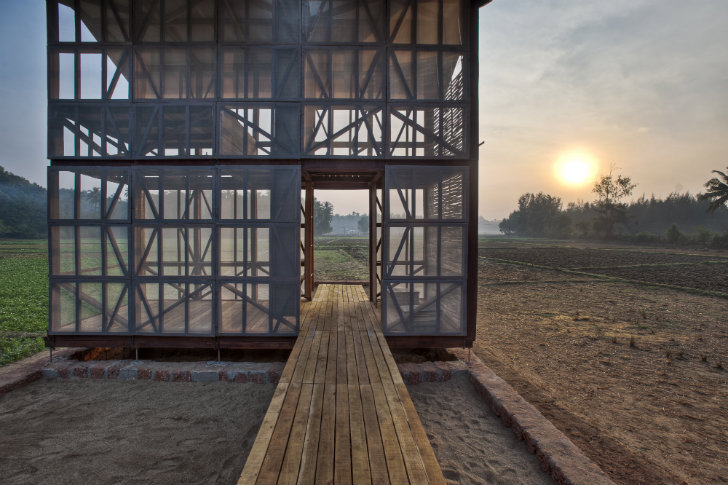
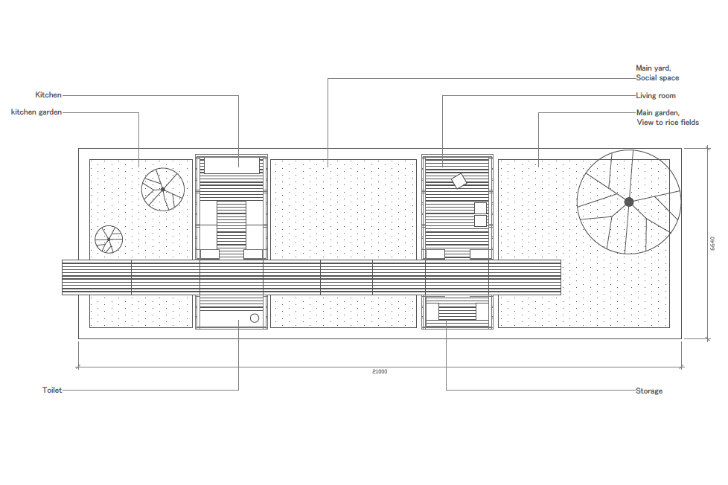
 Kumta Prototype-Rintala EggertssonBased on local building traditions of clustered homes and shady shared courtyards, Hut-to-Hut (also called the Kumta Prototype) is built on a square brick foundation.6
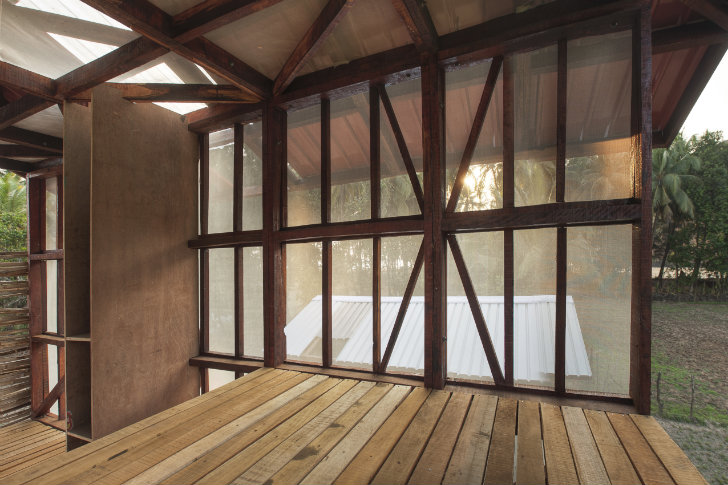
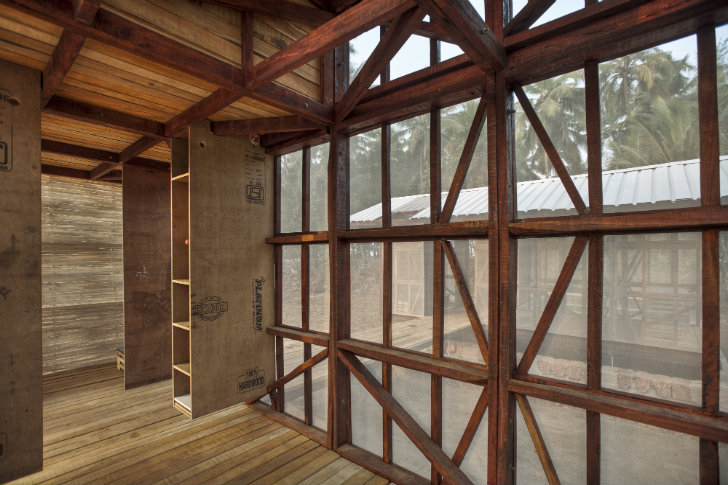
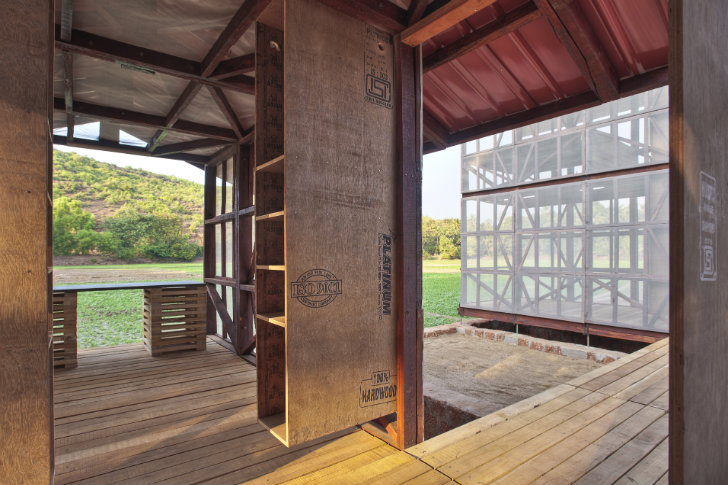
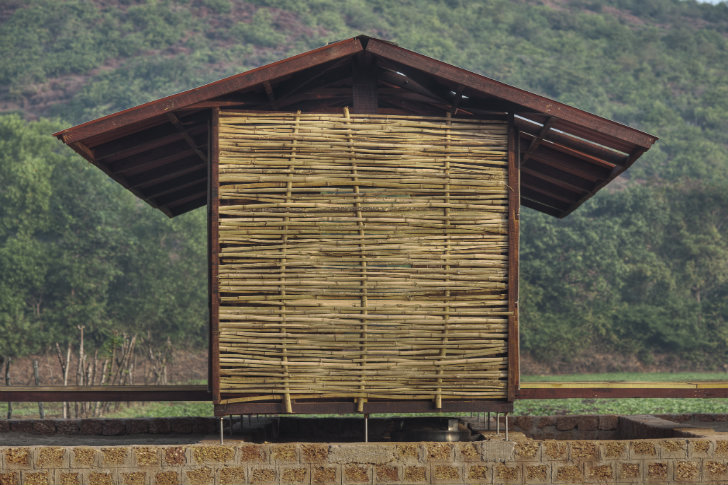
 Kumta Prototype-Rintala EggertssonBuilt using locally produced materials, the elevated huts feature large shady roofs and enjoy natural ventilation through the screened walls and raised floors.7
 Kumta Prototype-Rintala EggertssonSolar panels on the roof provide electricity, while a composting latrine takes care of the waste and supplies biogas for household use.8
 Kumta Prototype-Rintala EggertssonThe foundation allows for future expansion as the family grows and changes.9
 Kumta Prototype-Rintala EggertssonThe area immediately surrounding the homes can be used for a private kitchen garden.10
 Kumta Prototype-Rintala EggertssonInterior of Hut-to-Hut.11
 Kumta Prototype-Rintala EggertssonBackside of the hut with the latrine in it is shaded for privacy.12
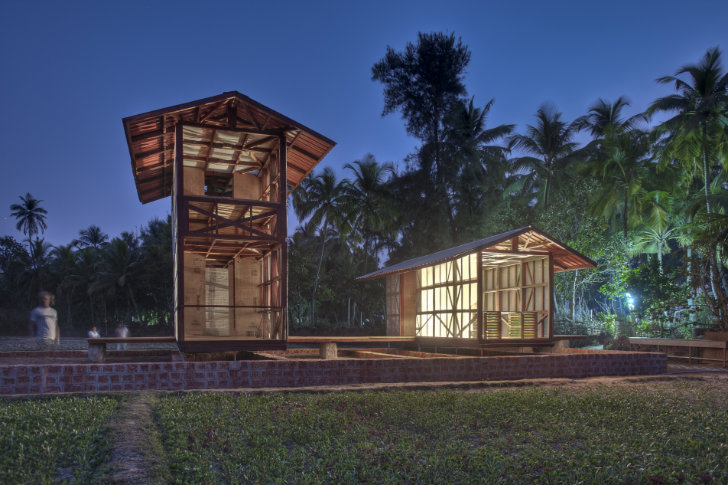
 Kumta Prototype-Rintala EggertssonSunset at the Hut-to-Hut.13
 Kumta Prototype-Rintala EggertssonFloorplan of Hut-to-Hut.14


