


Start Slideshow



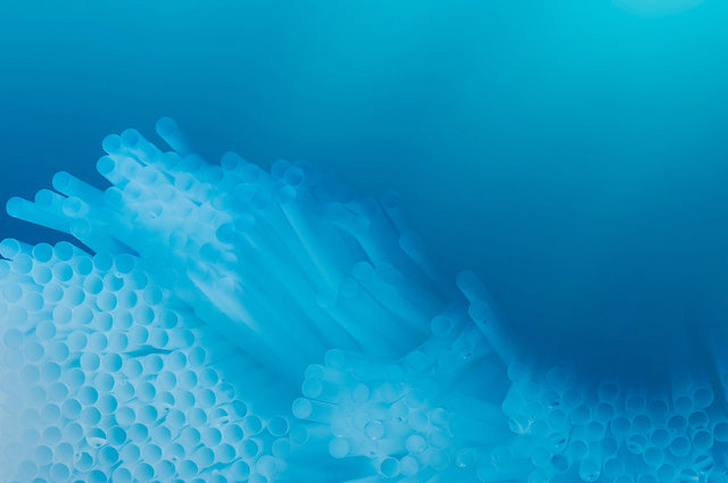
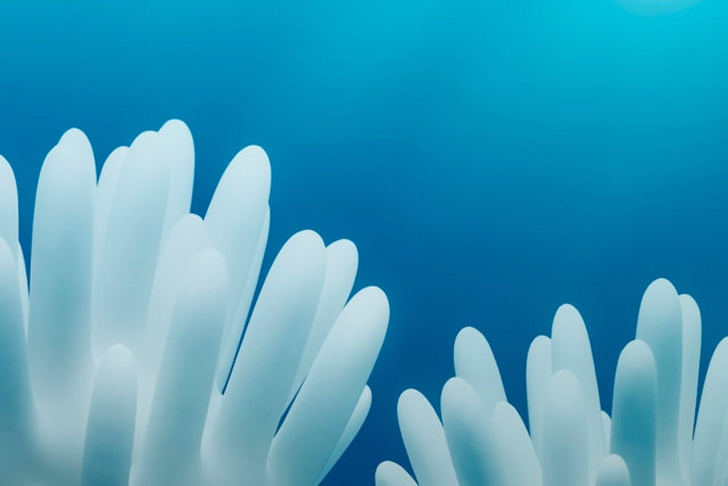
 Plastic PacificHuman beings produce and toss so much plastic out into the ocean that we have created the Pacific Trash Vortex, also known as the “Great Pacific Garbage Patch.” Gyres swirl this floating rubbish heap into a condensed area the size of Texas, and in areas of the Patch, the amount of plastic outnumbers plankton by as much as six times. More alarmingly, most of the non-biodegradable bits break down into microscopic particles that find their way into the food chain....<br><br><a href='https://inhabitat.com/kim-preston-morphs-plastic-trash-into-living-sea-creatures/'>READ ARTICLE</a>1
 Plastic PacificHuman beings produce and toss so much plastic out into the ocean that we have created the Pacific Trash Vortex, also known as the “Great Pacific Garbage Patch.” Gyres swirl this floating rubbish heap into a condensed area the size of Texas, and in areas of the Patch, the amount of plastic outnumbers plankton by as much as six times. More alarmingly, most of the non-biodegradable bits break down into microscopic particles that find their way into the food chain....<br><br><a href='https://inhabitat.com/kim-preston-morphs-plastic-trash-into-living-sea-creatures/'>READ ARTICLE</a>2
 Plastic PacificHuman beings produce and toss so much plastic out into the ocean that we have created the Pacific Trash Vortex, also known as the “Great Pacific Garbage Patch.” Gyres swirl this floating rubbish heap into a condensed area the size of Texas, and in areas of the Patch, the amount of plastic outnumbers plankton by as much as six times. More alarmingly, most of the non-biodegradable bits break down into microscopic particles that find their way into the food chain....<br><br><a href='https://inhabitat.com/kim-preston-morphs-plastic-trash-into-living-sea-creatures/'>READ ARTICLE</a>3
 Plastic PacificHuman beings produce and toss so much plastic out into the ocean that we have created the Pacific Trash Vortex, also known as the “Great Pacific Garbage Patch.” Gyres swirl this floating rubbish heap into a condensed area the size of Texas, and in areas of the Patch, the amount of plastic outnumbers plankton by as much as six times. More alarmingly, most of the non-biodegradable bits break down into microscopic particles that find their way into the food chain....<br><br><a href='https://inhabitat.com/kim-preston-morphs-plastic-trash-into-living-sea-creatures/'>READ ARTICLE</a>4
 Plastic PacificHuman beings produce and toss so much plastic out into the ocean that we have created the Pacific Trash Vortex, also known as the “Great Pacific Garbage Patch.” Gyres swirl this floating rubbish heap into a condensed area the size of Texas, and in areas of the Patch, the amount of plastic outnumbers plankton by as much as six times. More alarmingly, most of the non-biodegradable bits break down into microscopic particles that find their way into the food chain....<br><br><a href='https://inhabitat.com/kim-preston-morphs-plastic-trash-into-living-sea-creatures/'>READ ARTICLE</a>5


