


Start Slideshow


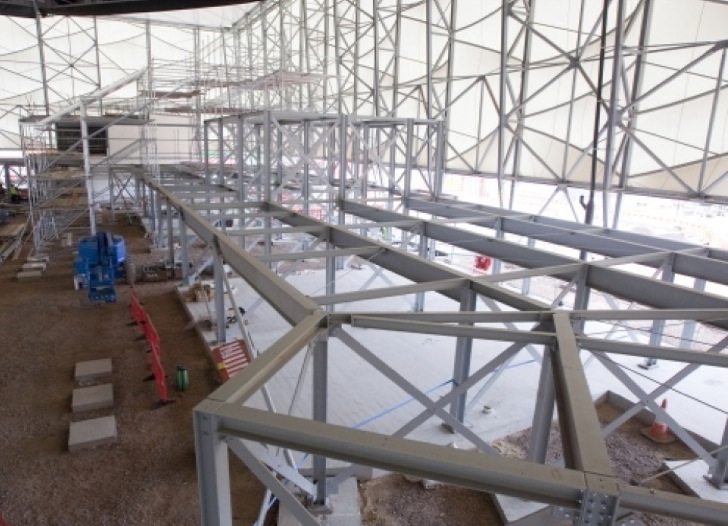



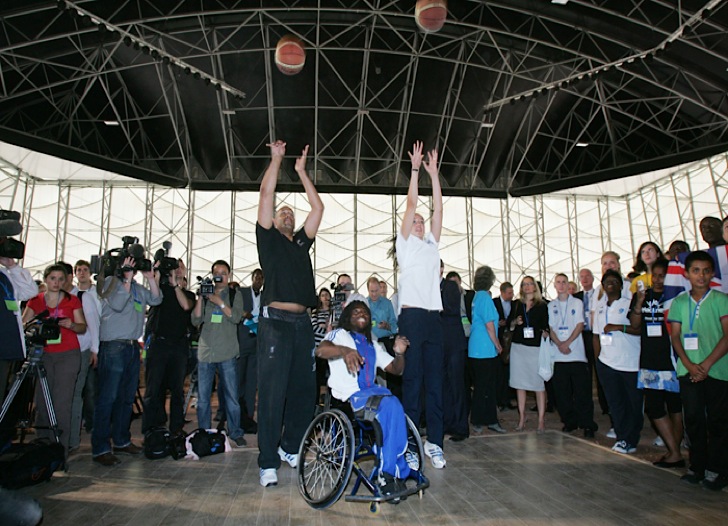
 2012 London Olympic Games Basketball StadiumCompleted a full year in advance, the groundbreaking <a href="http://inhabitat.com/tag/london-olympics">2011 London Olympics</a> Basketball Stadium is designed to be deconstructed and recycled. Every four years thousands of spectators converge on a lucky country pre-determined to be the best host for that year's <a href="http://inhabitat.com/hopkins-architects-completes-londons-2012-olympic-velodrome-stadium/">Olympic Games</a>, and until now, that privilege has been bestowed mostly on countries who could afford the mammoth building projects necessary to accommodate the throng. This could change with the innovative white-clad, recyclable basketball stadium, which was designed jointly by <a href="http://www.skmconsulting.com/">Sinclair Knight Merz</a>, <a href="http://www.wilkinsoneyre.com/">Wilkinson Eyre</a> and <a href="http://www.kssgroup.com/">KSS</a>.1
 2012 London Olympic Games basketball stadiumThe 2012 Olympic basketball stadium is already complete - a full year ahead of schedule.2
 2012 London Olympic Games basketball stadiumUnlike past Olympic stadiums, the 2012 basketball stadium was designed to be disassembled and reused elsewhere.3
 2012 London Olympic Games basketball stadiumMade from a lightweight steel and wrapped in white cladding, the stadium is easy to take apart.4
 2012 London Olympic Games basketball stadiumA temporary stadium not only reuses scarce materials but also enables poorer countries to bid to host future Olympic Games.5
 2012 London Olympic Games basketball stadiumThis new approach to the games could usher in a new era of more sustainable stadiums.6
 2012 London Olympic Games basketball stadiumThe basketball stadium is initiated!7


