


Start Slideshow


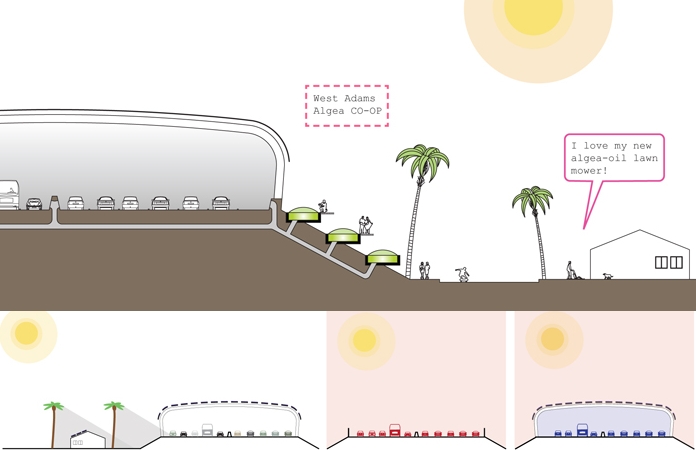
 Solar SerpentSwedish architect Mans Tham went halfway around the world to find inspiration for this insanely awesome design for a serpent-shaped solar skin for the Sana Monica freeway. This renovation of existing urban infrastructure is a provocative conversation starter in terms of sustainable design, and this proposal is an incredible approach that would add 237 acres of solar power to the middle of Los Angeles! How fabulous is that?...<br><br><a href='https://inhabitat.com/massive-solar-serpent-winds-along-the-santa-monica-freeway/'>READ ARTICLE</a>1
 Solar SerpentSwedish architect Mans Tham went halfway around the world to find inspiration for this insanely awesome design for a serpent-shaped solar skin for the Sana Monica freeway. This renovation of existing urban infrastructure is a provocative conversation starter in terms of sustainable design, and this proposal is an incredible approach that would add 237 acres of solar power to the middle of Los Angeles! How fabulous is that?...<br><br><a href='https://inhabitat.com/massive-solar-serpent-winds-along-the-santa-monica-freeway/'>READ ARTICLE</a>2
 Solar SerpentSwedish architect Mans Tham went halfway around the world to find inspiration for this insanely awesome design for a serpent-shaped solar skin for the Sana Monica freeway. This renovation of existing urban infrastructure is a provocative conversation starter in terms of sustainable design, and this proposal is an incredible approach that would add 237 acres of solar power to the middle of Los Angeles! How fabulous is that?...<br><br><a href='https://inhabitat.com/massive-solar-serpent-winds-along-the-santa-monica-freeway/'>READ ARTICLE</a>3
 Solar SerpentSwedish architect Mans Tham went halfway around the world to find inspiration for this insanely awesome design for a serpent-shaped solar skin for the Sana Monica freeway. This renovation of existing urban infrastructure is a provocative conversation starter in terms of sustainable design, and this proposal is an incredible approach that would add 237 acres of solar power to the middle of Los Angeles! How fabulous is that?...<br><br><a href='https://inhabitat.com/massive-solar-serpent-winds-along-the-santa-monica-freeway/'>READ ARTICLE</a>4


