


Start Slideshow


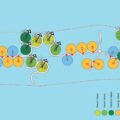 In the Dead Sea region, control of water is a source of political friction and presents an ecological quandary that threatens the drinking supply for inhabitants. A research project from New York-based architect Phu Hoang Office seeks to address and solve these site specific issues with 'No Man's Land', a series of artificial islands that would provide recreation, tourist attractions, renewable energy, and create fresh water....<br><br><a href='https://inhabitat.com/no-mans-land-innovative-architecture-in-the-dead-sea/'>READ ARTICLE</a>1
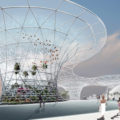 In the Dead Sea region, control of water is a source of political friction and presents an ecological quandary that threatens the drinking supply for inhabitants. A research project from New York-based architect Phu Hoang Office seeks to address and solve these site specific issues with 'No Man's Land', a series of artificial islands that would provide recreation, tourist attractions, renewable energy, and create fresh water....<br><br><a href='https://inhabitat.com/no-mans-land-innovative-architecture-in-the-dead-sea/'>READ ARTICLE</a>2
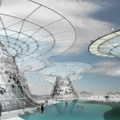 In the Dead Sea region, control of water is a source of political friction and presents an ecological quandary that threatens the drinking supply for inhabitants. A research project from New York-based architect Phu Hoang Office seeks to address and solve these site specific issues with 'No Man's Land', a series of artificial islands that would provide recreation, tourist attractions, renewable energy, and create fresh water....<br><br><a href='https://inhabitat.com/no-mans-land-innovative-architecture-in-the-dead-sea/'>READ ARTICLE</a>3
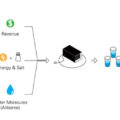 In the Dead Sea region, control of water is a source of political friction and presents an ecological quandary that threatens the drinking supply for inhabitants. A research project from New York-based architect Phu Hoang Office seeks to address and solve these site specific issues with 'No Man's Land', a series of artificial islands that would provide recreation, tourist attractions, renewable energy, and create fresh water....<br><br><a href='https://inhabitat.com/no-mans-land-innovative-architecture-in-the-dead-sea/'>READ ARTICLE</a>4
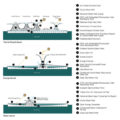 In the Dead Sea region, control of water is a source of political friction and presents an ecological quandary that threatens the drinking supply for inhabitants. A research project from New York-based architect Phu Hoang Office seeks to address and solve these site specific issues with 'No Man's Land', a series of artificial islands that would provide recreation, tourist attractions, renewable energy, and create fresh water....<br><br><a href='https://inhabitat.com/no-mans-land-innovative-architecture-in-the-dead-sea/'>READ ARTICLE</a>5
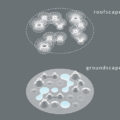 In the Dead Sea region, control of water is a source of political friction and presents an ecological quandary that threatens the drinking supply for inhabitants. A research project from New York-based architect Phu Hoang Office seeks to address and solve these site specific issues with 'No Man's Land', a series of artificial islands that would provide recreation, tourist attractions, renewable energy, and create fresh water....<br><br><a href='https://inhabitat.com/no-mans-land-innovative-architecture-in-the-dead-sea/'>READ ARTICLE</a>6
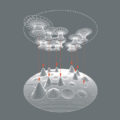 In the Dead Sea region, control of water is a source of political friction and presents an ecological quandary that threatens the drinking supply for inhabitants. A research project from New York-based architect Phu Hoang Office seeks to address and solve these site specific issues with 'No Man's Land', a series of artificial islands that would provide recreation, tourist attractions, renewable energy, and create fresh water....<br><br><a href='https://inhabitat.com/no-mans-land-innovative-architecture-in-the-dead-sea/'>READ ARTICLE</a>7
