


Start Slideshow


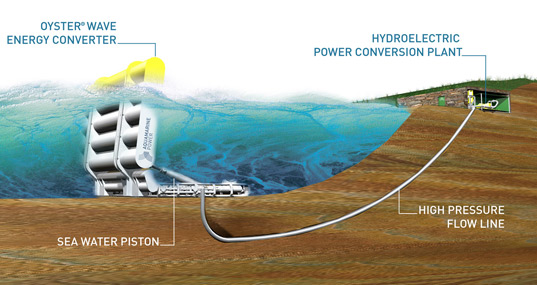


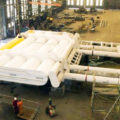 Oyster wave plant by Aquamarine PowerRecently Edinburgh-based company Aquamarine Power unveiled plans to install a new type of wave power system in place in the seabed off the Orkney Islands coast. Dubbed the Oyster, the system utilizes an on-shore base that is much easier to maintain than standard wave power designs, and the system is capable of operating at shallow depths, making it more consistent than systems that operate far out at sea. Each unit is capable of producing 300-600kw of electricity, so a commercial farm of ten units could provide clean energy for a town of <b>3,000 homes</b>!1
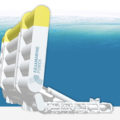 Oyster wave plant by Aquamarine PowerRecently Edinburgh-based company Aquamarine Power unveiled plans to install a new type of wave power system in place in the seabed off the Orkney Islands coast. Dubbed the Oyster, the system utilizes an on-shore base that is much easier to maintain than standard wave power designs, and the system is capable of operating at shallow depths, making it more consistent than systems that operate far out at sea. Each unit is capable of producing 300-600kw of electricity, so a commercial farm of ten units could provide clean energy for a town of <b>3,000 homes</b>!2
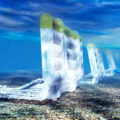 Oyster wave plant by Aquamarine PowerRecently Edinburgh-based company Aquamarine Power unveiled plans to install a new type of wave power system in place in the seabed off the Orkney Islands coast. Dubbed the Oyster, the system utilizes an on-shore base that is much easier to maintain than standard wave power designs, and the system is capable of operating at shallow depths, making it more consistent than systems that operate far out at sea. Each unit is capable of producing 300-600kw of electricity, so a commercial farm of ten units could provide clean energy for a town of <b>3,000 homes</b>!3
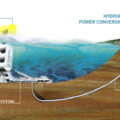 Oyster wave plant by Aquamarine PowerRecently Edinburgh-based company Aquamarine Power unveiled plans to install a new type of wave power system in place in the seabed off the Orkney Islands coast. Dubbed the Oyster, the system utilizes an on-shore base that is much easier to maintain than standard wave power designs, and the system is capable of operating at shallow depths, making it more consistent than systems that operate far out at sea. Each unit is capable of producing 300-600kw of electricity, so a commercial farm of ten units could provide clean energy for a town of <b>3,000 homes</b>!4
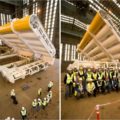 Oyster wave plant by Aquamarine PowerRecently Edinburgh-based company Aquamarine Power unveiled plans to install a new type of wave power system in place in the seabed off the Orkney Islands coast. Dubbed the Oyster, the system utilizes an on-shore base that is much easier to maintain than standard wave power designs, and the system is capable of operating at shallow depths, making it more consistent than systems that operate far out at sea. Each unit is capable of producing 300-600kw of electricity, so a commercial farm of ten units could provide clean energy for a town of <b>3,000 homes</b>!5
 Oyster wave plant by Aquamarine PowerRecently Edinburgh-based company Aquamarine Power unveiled plans to install a new type of wave power system in place in the seabed off the Orkney Islands coast. Dubbed the Oyster, the system utilizes an on-shore base that is much easier to maintain than standard wave power designs, and the system is capable of operating at shallow depths, making it more consistent than systems that operate far out at sea. Each unit is capable of producing 300-600kw of electricity, so a commercial farm of ten units could provide clean energy for a town of <b>3,000 homes</b>!6
