


Start Slideshow


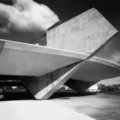 ESPAÑA-PREMIO PRITZKERMD11 (EMBARGADA HASTA LAS 22 HORAS) MADRID, 9-4-06.- Su comprensión poética del espacio y la realización de una arquitectura con la que modifica el paisaje y con la que se esfuerza en resolver las necesidades humanas, sociales y estéticas son algunos de los motivos que han hecho del arquitecto brasileño Paulo Mendes da Rocha merecedor del Premio Pritzker 2006. La concesión de este galardón, considerado como el "Nobel" de la arquitectura y dotado con 116.577 euros, fue hecha pública hoy por la Fundación Hyatt de Chicago, que instituyó el premio en 1979. Mendes da Rocha (Vitoria, Brasil, 1928) se convierte en el segundo brasileño, junto a Oscar Niemeyer galardonado en el año 1988, que recibe el Premio Pritzker. En la foto de archivo Paulistano Athletic Club, una de las obras de Mendes da Rocha en Brasil EFE/José Moscardi1
 darochaThere's been plenty of excitement the last day or so over the news of this year's Pritzker Prize winner, Brazilian architect Paulo Mendes da Rocha. Da Rocha's work is significant for his poetic use of an utterly simple material -- concrete. In 60 years of practice, the architect has created high-rises, stadiums, houses, museums, and even a chapel from concrete.2
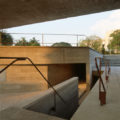 mube_4There's been plenty of excitement the last day or so over the news of this year's Pritzker Prize winner, Brazilian architect Paulo Mendes da Rocha. Da Rocha's work is significant for his poetic use of an utterly simple material -- concrete. In 60 years of practice, the architect has created high-rises, stadiums, houses, museums, and even a chapel from concrete.3
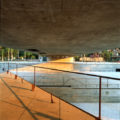 mube_6There's been plenty of excitement the last day or so over the news of this year's Pritzker Prize winner, Brazilian architect Paulo Mendes da Rocha. Da Rocha's work is significant for his poetic use of an utterly simple material -- concrete. In 60 years of practice, the architect has created high-rises, stadiums, houses, museums, and even a chapel from concrete.4
 WASTED111 bottles and one shoe: the components that comprise artist <a href="http://www.lamazza.com/">Alex White Mazzarella</a>'s latest piece may seem mundane, but are impactful when they work together, just like the immigrant workers they represent. Called "A Working Class", the assemblage is currently on view at Japanese gallery <a href="http://resobox.com/">Resobox</a> in <a href="http://inhabitat.com/nyc/index.php?s=long+island+city">Long Island City</a> along with a selection of Mazzarella's older works in an exhibition entitled <a href="http://resobox.com/wasted/">WASTED</a>. We recently caught up with Mazzarella to find out more about WASTED, his use of recycled materials, and his related projects, which endeavor to bring attention to marginalized communities throughout the world. Read on for some of his thoughts.5
