


Start Slideshow

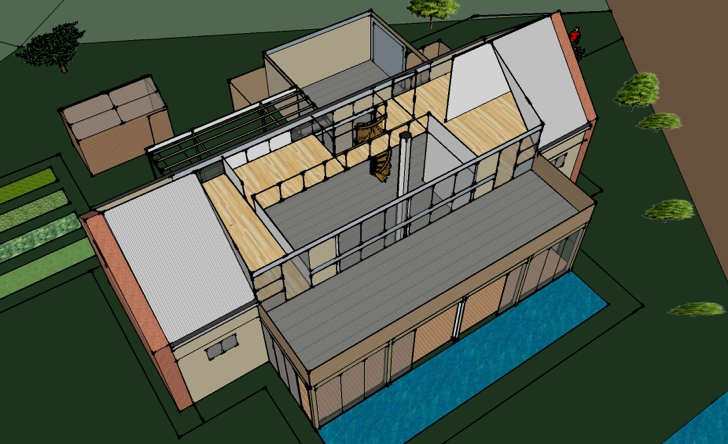
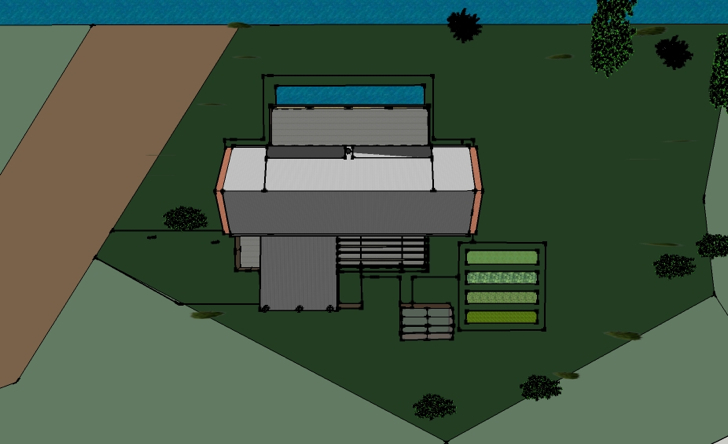
 Raymond Smith BarnhouseBarnhouses have come a long way with Raymond Smith’s cool new conceptual design. Planned for rural areas in the Western Cape, these double pitched-roof homes will be low maintenance, self-sustaining units with a lower than normal carbon footprint. By integrating a series of passive design elements and <a href="http://www.inhabitat.com/energy">renewable energy</a> sources, this hugely talented <a href="http://www.inhabitat.com/architecture">architect</a> ensures his houses have little use for South Africa’s unstable national grid.1
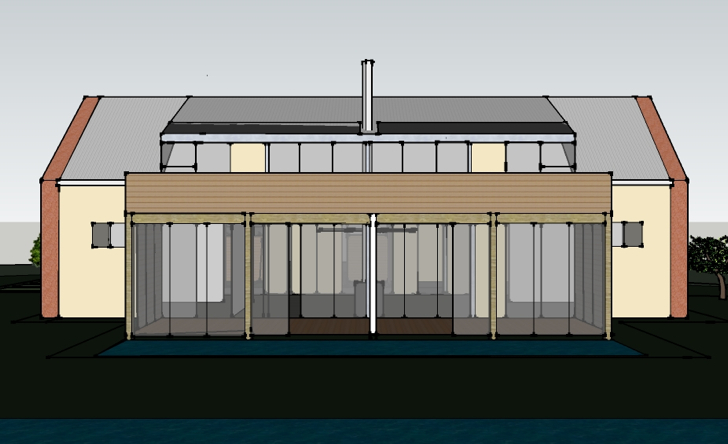
 Raymond Smith BarnhouseLarge north-facing windows with sliding aluminum louvers make optimum use of the Western Cape’s copious sun. They also open to sensational views of the adjacent Brody Link Nature Reserve.2
 Raymond Smith BarnhouseWhen the sun is too hot to handle, cool southeasterly winds bring interior temperatures down a notch without using any mechanical devices.3
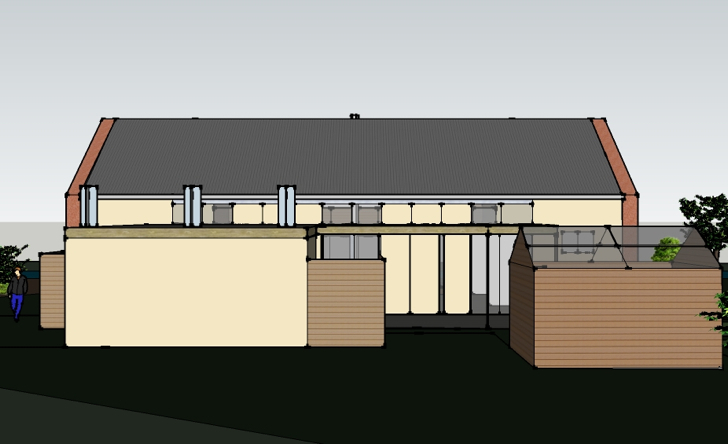
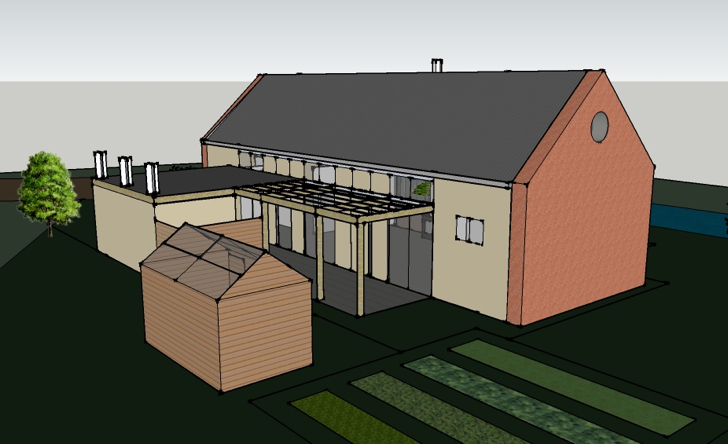
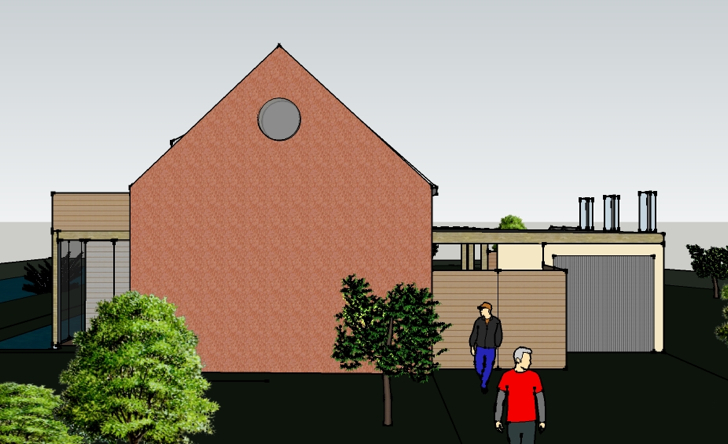
 Raymond Smith BarnhousePhotovoltaic panels installed on the north roof slope coupled with vertical axis wind turbines on the garage’s flat roof (for wet and wooly winter days) will provide DC power for 12V energy-saving lighting and other electrical needs. Natural gas will be used for cooking.4
 Raymond Smith BarnhousePlastic piping fed under metal roof sheeting pre-heats thermal solar geysers. Additional thermal piping circulates hot water under concrete flooring, providing warmth without exorbitant heating bills.5
 Raymond Smith BarnhouseThe mezzanine level gives the house extra space, and rainwater harvested in metal water tank gables receives its pressure from the system’s design.6
 Raymond Smith BarnhouseOutside there is also space for a constructed wetland and vegetable garden, completing the self-sufficiency loop. With no shortage of energy, food, or serenity, these contemporary barnhouses covet that cozy country feel without sacrificing an ounce of efficiency.7


