


Start Slideshow


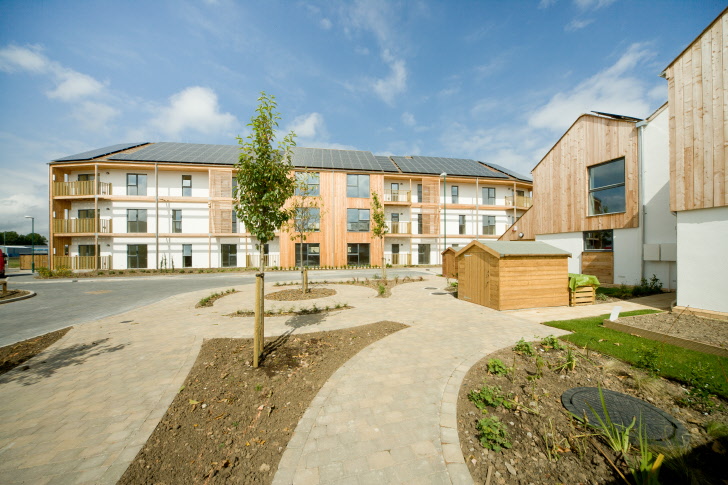
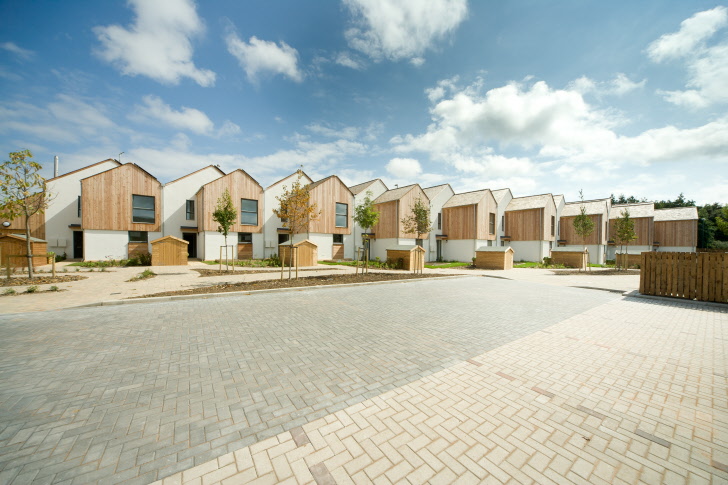
 Sinclair Meadows - Uk's First Carbon Negative Street<a href="http://en.wikipedia.org/wiki/South_Shields">South Shields</a> recently became home to what may well be the most environmentally conscious street in Britain. The not-for-profit <a href="http://www.4hg.co.uk/Extended_Content.aspx?pg=226" target="_blank">Four Housing Group</a> has designed and built <a href="http://www.4hg.co.uk/Extended_Content.aspx?pg=226" target="_blank">Sinclair Meadows</a> - a carbon negative development that consists of 21 residences. Designed with the well-being of its residents in mind, the project prized the long-term benefits of green building over short-term profit-making - and the model could prove to be an interesting template for future urban designs. Best of all, the team believes that the carbon footprint from the construction will be negated within just three years.1
 Sinclair Meadows - Uk's First Carbon Negative StreetEach of the buildings at <a href="http://www.4hg.co.uk/Extended_Content.aspx?pg=226" target="_blank">Sinclair Meadows</a> in <a href="http://en.wikipedia.org/wiki/South_Shields">South Shields</a> has been constructed with natural materials at the forefront, such as timber frames, <a href="http://inhabitat.com/hemcrete-carbon-negative-hemp-walls-7x-stronger-than-concrete/" target="_blank">hemp insulation</a>, lime render, and sustainable timber. In addition to creating a solid structure that helps lock in CO2, these materials are largely recyclable or biodegradable if and when the buildings are not in use. The architects have oriented the houses to the south to maximize natural light and allow the sun to heat the interior of buildings. Each roof is also equipped with <a href="http://inhabitat.com/using-affordable-materials-ibm-sets-new-world-record-for-photovoltaic-cell-efficiency/" target="_blank">photovoltaic panels</a>, and the electricity demand for the street should be covered on-site.2
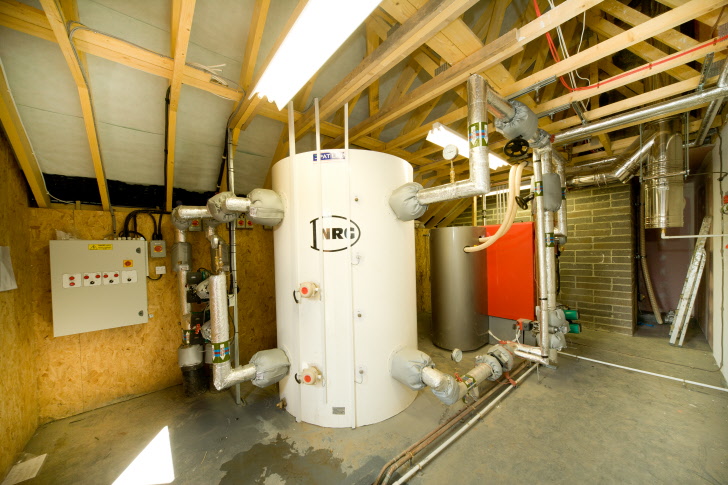
 Sinclair Meadows - Uk's First Carbon Negative StreetThe buildings feature a high degree of thermal insulation, so heating requirements should be easily covered by a <a href="http://inhabitat.com/quaker-oats-porridge-powered-factory/" target="_blank">communal biomass boiler</a> that runs on recycled wood pellets for fuel.3
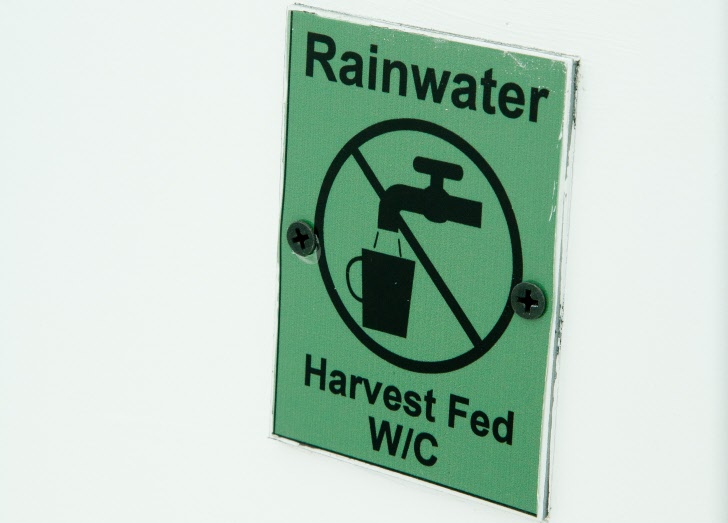
 Sinclair Meadows - Uk's First Carbon Negative StreetA <a href="http://inhabitat.com/rainwater-recycling-pet-tree-makes-urban-gardening-a-breeze/" target="_blank">rainwater harvesting system</a> collects water from all the rooftops and directs it to an underground water tank - and since this is Northern England, they should get enough rainwater to supply each house's requirements for toilet flushing and other water dependent appliances (dishwasher / washing machine) where drinking water isn't essential. Each resident will have access to and training in operating energy usage monitors for their homes, thus giving them the knowledge to use their energy as efficiently as possible, both reducing energy costs to the residents and helping to ensure the sustainability of the project.4
 Sinclair Meadows - Uk's First Carbon Negative StreetEach house is also allotted an individual garden space that includes a shed and a <a href="http://inhabitat.com/pg-tips-urges-britons-to-recycle-teabags-in-landmark-composting-plan/" target="_blank">compost bin</a>, so residents have room to literally and metaphorically grow. The houses have also been equipped with birdhouses and bat boxes to encourage the local wildlife to become part of the Sinclair Meadows development.5
 Sinclair Meadows - Uk's First Carbon Negative StreetInterest was high for the initial up-take of these houses, and interestingly, each applicant was interviewed prior to the doors opening to ensure the residents were genuinely interested in the aim of the project. The street boasts 9 three-bedroom houses and 12 two bedroom apartments, and it's the first UK project to surpass the voluntary <a href="http://www.communities.gov.uk/planningandbuilding/sustainability/codesustainablehomes/" target="_blank">Code for Sustainable Homes Level 6</a>. The carbon negative scheme is currently 15% beyond zero carbon. The first residents are now moving into Sinclair Meadows, and we will keep an eye on its progress as it strives for a high standard of living and a positive impact on the environment in general.6


