


Start Slideshow


 hydrokillerpicone1San Francisco is already one of the greenest cities in the US, but check out this wild new concept from IwamotoScott Architects to completely remake the city into an ecotopia by 2108.1
 hydronet_21San Francisco is already one of the greenest cities in the US, but check out this wild new concept from IwamotoScott Architects to completely remake the city into an ecotopia by 2108.2
 hydronet_31San Francisco is already one of the greenest cities in the US, but check out this wild new concept from IwamotoScott Architects to completely remake the city into an ecotopia by 2108.3
 hydronet_41San Francisco is already one of the greenest cities in the US, but check out this wild new concept from IwamotoScott Architects to completely remake the city into an ecotopia by 2108.4
 hydronetbaybridgeness1San Francisco is already one of the greenest cities in the US, but check out this wild new concept from IwamotoScott Architects to completely remake the city into an ecotopia by 2108.5
 hydronetfog131San Francisco is already one of the greenest cities in the US, but check out this wild new concept from IwamotoScott Architects to completely remake the city into an ecotopia by 2108.6
 hydronetfogtowers1San Francisco is already one of the greenest cities in the US, but check out this wild new concept from IwamotoScott Architects to completely remake the city into an ecotopia by 2108.7
 hydronetmap11San Francisco is already one of the greenest cities in the US, but check out this wild new concept from IwamotoScott Architects to completely remake the city into an ecotopia by 2108.8
 hydronetsection1San Francisco is already one of the greenest cities in the US, but check out this wild new concept from IwamotoScott Architects to completely remake the city into an ecotopia by 2108.9
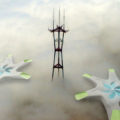 'Crazy Futuristic San Francisco, A vision of San Francisco’s Future, Iwamoto Scott Architecture, San Francisco in 2108, a Hydro-Net City of the Future, History Channel City of the Future, Hydronet, Hydro Net, Hydro-Net, Iwamoto Scott Hydro-net, City of the Future, Algae Towers, Geothermal Steam Baths, Fog flowers, Fog catchers'San Francisco is already one of the greenest cities in the US, but check out this wild new concept from IwamotoScott Architects to completely remake the city into an ecotopia by 2108.10
