


Start Slideshow


 cyanobacteriaNormally we don't advocate self-destruction, but in the case of biofuel-producing bacteria, it might be a good thing. Researchers at Arizona State University have genetically engineered cyanobacteria that dissolve from the inside out, making it easy to access the high-energy fats and biofuel byproducts located within. The development could be tremendously beneficial for fuel production, since cyanobacteria are photosynthetic microbes (AKA pond scum) that have a higher yield potential than most biofuels currently being used.1
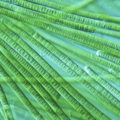 CyanobacteriaNormally we don't advocate self-destruction, but in the case of biofuel-producing bacteria, it might be a good thing. Researchers at Arizona State University have genetically engineered cyanobacteria that dissolve from the inside out, making it easy to access the high-energy fats and biofuel byproducts located within. The development could be tremendously beneficial for fuel production, since cyanobacteria are photosynthetic microbes (AKA pond scum) that have a higher yield potential than most biofuels currently being used.2
 CyanobacteriaNormally we don't advocate self-destruction, but in the case of biofuel-producing bacteria, it might be a good thing. Researchers at Arizona State University have genetically engineered cyanobacteria that dissolve from the inside out, making it easy to access the high-energy fats and biofuel byproducts located within. The development could be tremendously beneficial for fuel production, since cyanobacteria are photosynthetic microbes (AKA pond scum) that have a higher yield potential than most biofuels currently being used.3
 CyanobacteriaNormally we don't advocate self-destruction, but in the case of biofuel-producing bacteria, it might be a good thing. Researchers at Arizona State University have genetically engineered cyanobacteria that dissolve from the inside out, making it easy to access the high-energy fats and biofuel byproducts located within. The development could be tremendously beneficial for fuel production, since cyanobacteria are photosynthetic microbes (AKA pond scum) that have a higher yield potential than most biofuels currently being used.4
