


There is nothing we love more than good design meeting up with a good cause. That’s why we love this student humanitarian design project on the Thai Burmese border: it combines beautifully designed (and super efficient) vernacular-inspired architecture with social responsibility in aiding the plight of Karen refugee orphans. Five students in Thailand are using architecture to make new lives for 24 orphans by providing them with homes to call their own.
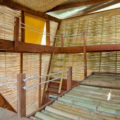
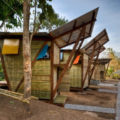
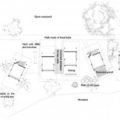
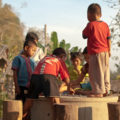
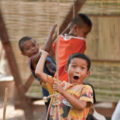
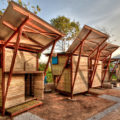
Humanitarian design organizationTYIN Tegnestue from the Norwegian University of Science and Technology conceived the project in response to a need for more dormitories for Karen refugee children in the village of Noh Bo on the Thai-Burmese border. The six woven bamboo huts, dubbed Soe Ker Tie, or The Butterfly Huts because of their “winged” appearance were designed with the children’s happiness and health in mind. As simple as these new dorms may seem, they provide something wonderful for a growing child – a space to call their own to learn, sleep and play in. This small luxury is one that so many of us take for granted but makes a huge difference in the development and happiness of these youngsters.
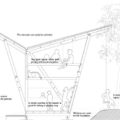
Aside from giving 24 orphans brand new homes, the huts are pre-fabricated and assembled on site with sustainability in mind. Most of the bamboo used is harvested locally and woven in the same way that is traditional to the area. The special flapped roof of the Soe Ker Tie House is conducive to natural ventilation. Since the roof also collects rainwater, areas around the huts are more useful during the rainy season, and water can be stored during drier periods. Using foundations cast in repurposed tires, each hut is raised above ground level preventing issues that could arise due to moisture and decay.

“After a six month long mutual learning process with the locals in Noh Bo we hope that we have left something useful behind. Important principles like bracing, material economization and moisture prevention may possibly lead to a more sustainable building tradition in the future,” says TYIN of their experience. To balance out the success of their endeavor, they also point a negative aspect of the project. Since most of the materials used are delivered by the Karen National Union on the Burmese side of the border, their dependency on tropic timber has led to a line of difficult and complex problems which they hope to find solutions for in the future.
Via ArchDaily


