


Start Slideshow


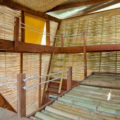 soe ker tie butterfly house insideThere is nothing we love more than good design meeting up with a good cause. That's why we love this student humanitarian design project on the Thai Burmese border: it combines beautifully designed (and super efficient) vernacular-inspired architecture with social responsibility in aiding the plight of Karen refugee orphans. Five students in Thailand are using architecture to make new lives for 24 orphans by providing them with homes to call their own.1
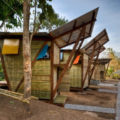 soe ker tie butterfly house outsideThere is nothing we love more than good design meeting up with a good cause. That's why we love this student humanitarian design project on the Thai Burmese border: it combines beautifully designed (and super efficient) vernacular-inspired architecture with social responsibility in aiding the plight of Karen refugee orphans. Five students in Thailand are using architecture to make new lives for 24 orphans by providing them with homes to call their own.2
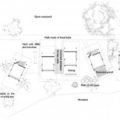 soe ker tie butterfly house planThere is nothing we love more than good design meeting up with a good cause. That's why we love this student humanitarian design project on the Thai Burmese border: it combines beautifully designed (and super efficient) vernacular-inspired architecture with social responsibility in aiding the plight of Karen refugee orphans. Five students in Thailand are using architecture to make new lives for 24 orphans by providing them with homes to call their own.3
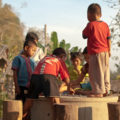 soe ker tie butterfly kids learningThere is nothing we love more than good design meeting up with a good cause. That's why we love this student humanitarian design project on the Thai Burmese border: it combines beautifully designed (and super efficient) vernacular-inspired architecture with social responsibility in aiding the plight of Karen refugee orphans. Five students in Thailand are using architecture to make new lives for 24 orphans by providing them with homes to call their own.4
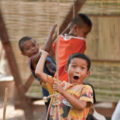 soe ker tie butterfly kids playingThere is nothing we love more than good design meeting up with a good cause. That's why we love this student humanitarian design project on the Thai Burmese border: it combines beautifully designed (and super efficient) vernacular-inspired architecture with social responsibility in aiding the plight of Karen refugee orphans. Five students in Thailand are using architecture to make new lives for 24 orphans by providing them with homes to call their own.5
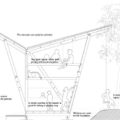 soe ker tie butterfly sideviewThere is nothing we love more than good design meeting up with a good cause. That's why we love this student humanitarian design project on the Thai Burmese border: it combines beautifully designed (and super efficient) vernacular-inspired architecture with social responsibility in aiding the plight of Karen refugee orphans. Five students in Thailand are using architecture to make new lives for 24 orphans by providing them with homes to call their own.6
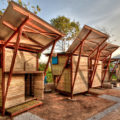 Butterfly Bamboo Homes For Thai OrphansThere is nothing we love more than good design meeting up with a good cause. That's why we love this student humanitarian design project on the Thai Burmese border: it combines beautifully designed (and super efficient) vernacular-inspired architecture with social responsibility in aiding the plight of Karen refugee orphans. Five students in Thailand are using architecture to make new lives for 24 orphans by providing them with homes to call their own.7
