


Start Slideshow



 Traditional flat solar panels are optimized only at one point of the sun's trajectory and otherwise need automated tracking systems to follow the sun.Standard flat solar panels are only optimized to capture sunlight at one point of the sun's trajectory -- otherwise they need automated tracking systems to follow the sun. MIT power engineering professor Jeffrey Grossman has found an artful answer to this planar problem -- the ancient art of origami! Grossman found that folded solar cell systems could produce constant power throughout the day and didn't need tracking....<br><br><a href='https://inhabitat.com/solar-origami-mit-working-on-super-efficient-folded-solar-panels/'>READ ARTICLE</a>1
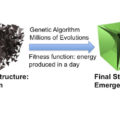 MIT power engineering professor Jeffrey Grossman has found an artful answer to this planar problem -- the ancient art of origami.Standard flat solar panels are only optimized to capture sunlight at one point of the sun's trajectory -- otherwise they need automated tracking systems to follow the sun. MIT power engineering professor Jeffrey Grossman has found an artful answer to this planar problem -- the ancient art of origami! Grossman found that folded solar cell systems could produce constant power throughout the day and didn't need tracking....<br><br><a href='https://inhabitat.com/solar-origami-mit-working-on-super-efficient-folded-solar-panels/'>READ ARTICLE</a>2
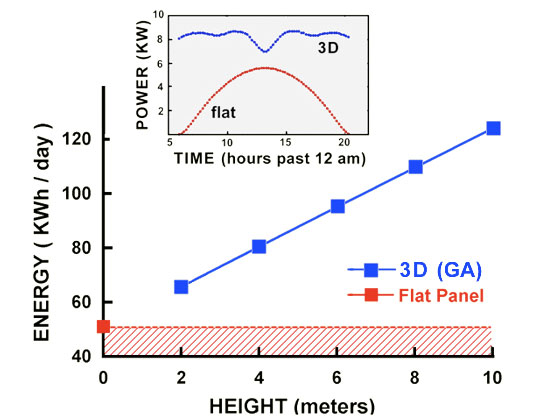
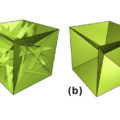 Grossman found that folded systems could produce constant power throughout the day and didn't need tracking.Standard flat solar panels are only optimized to capture sunlight at one point of the sun's trajectory -- otherwise they need automated tracking systems to follow the sun. MIT power engineering professor Jeffrey Grossman has found an artful answer to this planar problem -- the ancient art of origami! Grossman found that folded solar cell systems could produce constant power throughout the day and didn't need tracking....<br><br><a href='https://inhabitat.com/solar-origami-mit-working-on-super-efficient-folded-solar-panels/'>READ ARTICLE</a>3
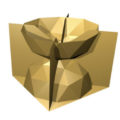 His new designs are more efficient per comparative length and width of the traditional flat array -- sometimes two and a half times as much.Standard flat solar panels are only optimized to capture sunlight at one point of the sun's trajectory -- otherwise they need automated tracking systems to follow the sun. MIT power engineering professor Jeffrey Grossman has found an artful answer to this planar problem -- the ancient art of origami! Grossman found that folded solar cell systems could produce constant power throughout the day and didn't need tracking....<br><br><a href='https://inhabitat.com/solar-origami-mit-working-on-super-efficient-folded-solar-panels/'>READ ARTICLE</a>4
 Grossman was inspired by the way that trees spread their leaves in all directions to maximize their exposure to the sun.Standard flat solar panels are only optimized to capture sunlight at one point of the sun's trajectory -- otherwise they need automated tracking systems to follow the sun. MIT power engineering professor Jeffrey Grossman has found an artful answer to this planar problem -- the ancient art of origami! Grossman found that folded solar cell systems could produce constant power throughout the day and didn't need tracking....<br><br><a href='https://inhabitat.com/solar-origami-mit-working-on-super-efficient-folded-solar-panels/'>READ ARTICLE</a>5
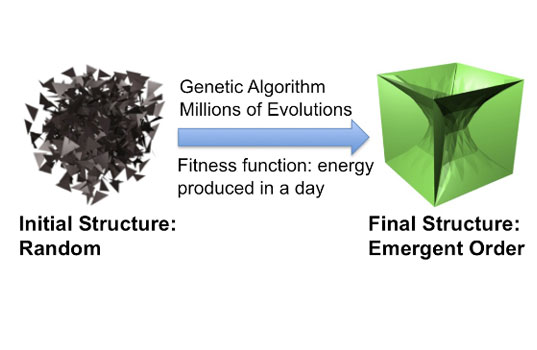
 He worked with MIT graduate student Marco Bernardi to create a computer program that mimics the process of evolution.Standard flat solar panels are only optimized to capture sunlight at one point of the sun's trajectory -- otherwise they need automated tracking systems to follow the sun. MIT power engineering professor Jeffrey Grossman has found an artful answer to this planar problem -- the ancient art of origami! Grossman found that folded solar cell systems could produce constant power throughout the day and didn't need tracking....<br><br><a href='https://inhabitat.com/solar-origami-mit-working-on-super-efficient-folded-solar-panels/'>READ ARTICLE</a>6
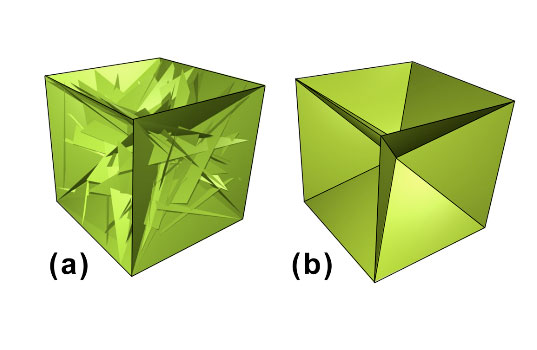
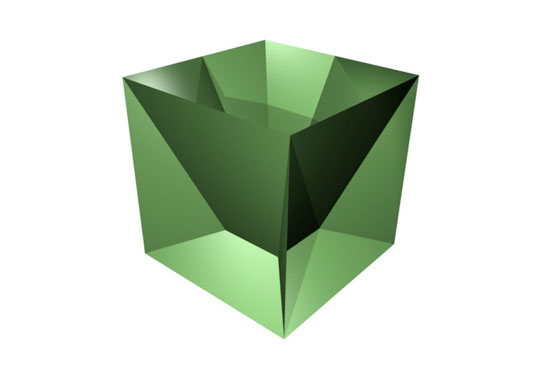
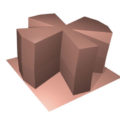 What resulted were gorgeous shapes that resemble origami.Standard flat solar panels are only optimized to capture sunlight at one point of the sun's trajectory -- otherwise they need automated tracking systems to follow the sun. MIT power engineering professor Jeffrey Grossman has found an artful answer to this planar problem -- the ancient art of origami! Grossman found that folded solar cell systems could produce constant power throughout the day and didn't need tracking....<br><br><a href='https://inhabitat.com/solar-origami-mit-working-on-super-efficient-folded-solar-panels/'>READ ARTICLE</a>7
