


Start Slideshow

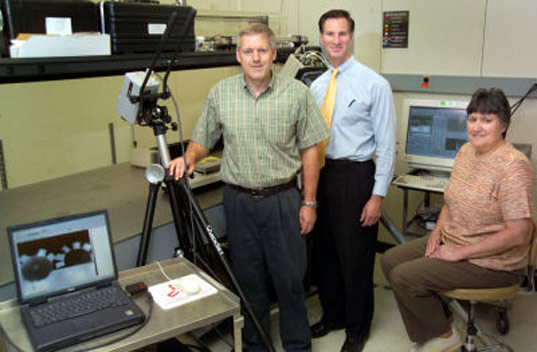

 Solar cells, solar power at night, idaho national laboratory, solar technology, solar film, nanotechnology solar, nanoantennasDespite the enormous untapped potential of solar energy, one thing is for sure- photovoltaics are only as good as the sun's rays shining upon them. However, researchers at the Idaho National Laboratory are close to the production of a super-thin solar film that would be cost-effective, imprinted on flexible materials, and would be able to harvest solar energy even after sunset!1
 Solar cells, solar power at night, idaho national laboratory, solar technology, solar film, nanotechnology solar, nanoantennasDespite the enormous untapped potential of solar energy, one thing is for sure- photovoltaics are only as good as the sun's rays shining upon them. However, researchers at the Idaho National Laboratory are close to the production of a super-thin solar film that would be cost-effective, imprinted on flexible materials, and would be able to harvest solar energy even after sunset!2
 Nighttime solar panels, night solar panels, night photovoltaics, Solar cells, solar power at night, idaho national laboratory, solar technology, solar film, nanotechnology solar, nanoantennasDespite the enormous untapped potential of solar energy, one thing is for sure- photovoltaics are only as good as the sun's rays shining upon them. However, researchers at the Idaho National Laboratory are close to the production of a super-thin solar film that would be cost-effective, imprinted on flexible materials, and would be able to harvest solar energy even after sunset!3
