


Start Slideshow


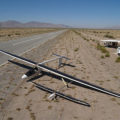 sunseeker_solar1The only manned solar-powered aircraft in the world, the <strong>Sunseeker II</strong> is slated to take off on a European flying tour after the popular e-flight expo on April 5th. Following the success of the Sunseeker I (the 2.5-horsepower predecessor that crossed the U.S. in 21 flights, with 121 hours in the air, in 1990), almost everything has been improved in both form and function, including wing modifications, an increase in surface area for solar cells, and lithium polymer batteries to improve performance.1
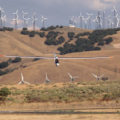 sunseeker_solar2The only manned solar-powered aircraft in the world, the <strong>Sunseeker II</strong> is slated to take off on a European flying tour after the popular e-flight expo on April 5th. Following the success of the Sunseeker I (the 2.5-horsepower predecessor that crossed the U.S. in 21 flights, with 121 hours in the air, in 1990), almost everything has been improved in both form and function, including wing modifications, an increase in surface area for solar cells, and lithium polymer batteries to improve performance.2
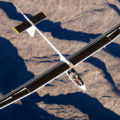 sunseeker_solar3The only manned solar-powered aircraft in the world, the <strong>Sunseeker II</strong> is slated to take off on a European flying tour after the popular e-flight expo on April 5th. Following the success of the Sunseeker I (the 2.5-horsepower predecessor that crossed the U.S. in 21 flights, with 121 hours in the air, in 1990), almost everything has been improved in both form and function, including wing modifications, an increase in surface area for solar cells, and lithium polymer batteries to improve performance.3
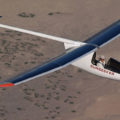 sunseeker_solar_mainThe only manned solar-powered aircraft in the world, the <strong>Sunseeker II</strong> is slated to take off on a European flying tour after the popular e-flight expo on April 5th. Following the success of the Sunseeker I (the 2.5-horsepower predecessor that crossed the U.S. in 21 flights, with 121 hours in the air, in 1990), almost everything has been improved in both form and function, including wing modifications, an increase in surface area for solar cells, and lithium polymer batteries to improve performance.4
