


Start Slideshow

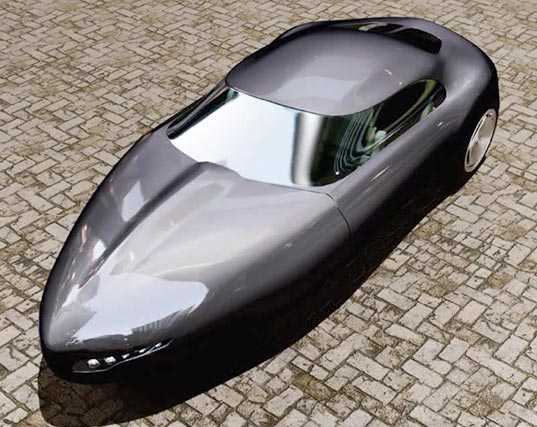
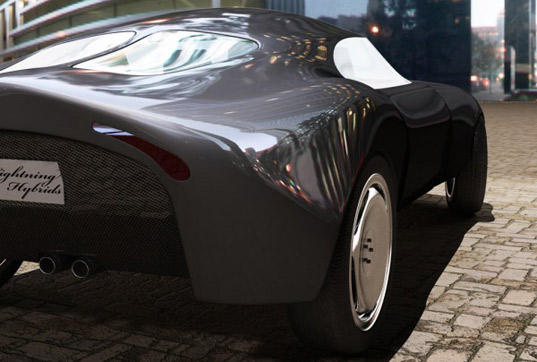


 lighthy-ed002Loveland, Colorado-based Lightning Hybrids has its sights set on the $10 million automotive x-prize with a sleek biodiesel-fueled vehicle that they claim will break the 100MPG barrier for a production sedan. Once completed, their hydraulic hybrid prototype will boast 240 hp, a carbon fiber chassis, and a 0-60 speed of 5.9 seconds.1
 lighthy-ed001Loveland, Colorado-based Lightning Hybrids has its sights set on the $10 million automotive x-prize with a sleek biodiesel-fueled vehicle that they claim will break the 100MPG barrier for a production sedan. Once completed, their hydraulic hybrid prototype will boast 240 hp, a carbon fiber chassis, and a 0-60 speed of 5.9 seconds.2
 lighthy-ed01Loveland, Colorado-based Lightning Hybrids has its sights set on the $10 million automotive x-prize with a sleek biodiesel-fueled vehicle that they claim will break the 100MPG barrier for a production sedan. Once completed, their hydraulic hybrid prototype will boast 240 hp, a carbon fiber chassis, and a 0-60 speed of 5.9 seconds.3
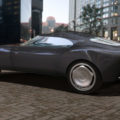 lighthy-ed04Loveland, Colorado-based Lightning Hybrids has its sights set on the $10 million automotive x-prize with a sleek biodiesel-fueled vehicle that they claim will break the 100MPG barrier for a production sedan. Once completed, their hydraulic hybrid prototype will boast 240 hp, a carbon fiber chassis, and a 0-60 speed of 5.9 seconds.4
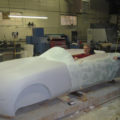 lighthy-ed05Loveland, Colorado-based Lightning Hybrids has its sights set on the $10 million automotive x-prize with a sleek biodiesel-fueled vehicle that they claim will break the 100MPG barrier for a production sedan. Once completed, their hydraulic hybrid prototype will boast 240 hp, a carbon fiber chassis, and a 0-60 speed of 5.9 seconds.5
