


Start Slideshow

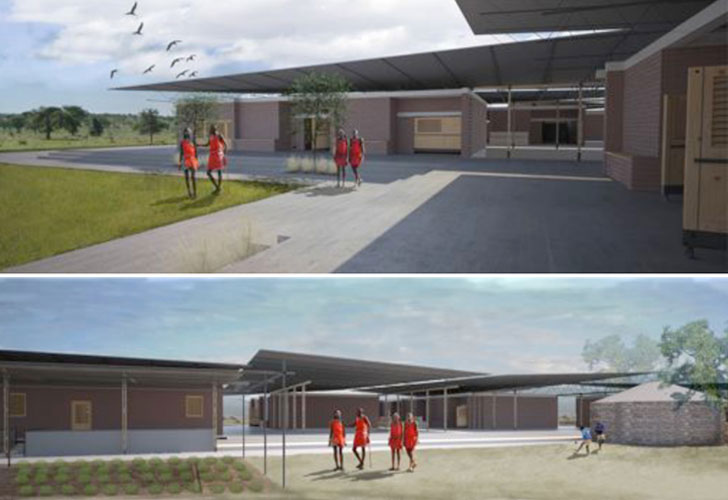


 Africa's Promise VillageEnvironmentally sustainable design has become increasingly prevalent in developed countries, specifically in high-end projects for wealthy private clients. Yet more and more, sustainability in design is being considered holistically through the lens of humanitarian efforts, such as the work of non-profits like <a href="http://inhabitat.com/architecture-for-humanity-reports-theyve-helped-tens-of-thousands-in-the-wake-of-the-haiti-earthquake/" target="_blank">Architecture for Humanity</a>. This movement has trickled down to <a href="http://inhabitat.com/student-designed-eco-lodge-in-morocco-features-a-zero-water-adventure-golf-course/" target="_blank">architecture schools</a>, which are increasingly participating in design exchanges that create lasting connections with cultures in developing countries, fostering collaborative design and sharing of knowledge between students and their clients. The <a href="http://inhabitat.com/new-method-finds-best-places-to-install-solar-by-mapping-solar-radiation/" target="_blank">University of Texas at Austin</a>'s School of Architecture, under the guidance of professor Michael Garrison, has partnered with Dr. Donna Gunn and <a href="http://www.africaspromisevillage.org/" target="_blank">Africa's Promise Village School</a> to design a school in the Simanjiro district of Tanzania with a practical curriculum centered around <a href="http://inhabitat.com/verticrop-processes-10000-plants-every-3-days-using-vertical-hydroponic-farming/" target="_blank">sustainable, high-yield agricultural practices</a>.1
 Africa's Promise VillageIn the Spring of 2011, graduate students in Professor Garrison's vertical design studio were tasked with the design of a school in rural Tanzania. Seeking sustainable design advice, Dr. Gunn, the Executive Director of Africa's Promise Village School, reached out to Garisson and his students to improve the conditions of education in rural Tanzania2
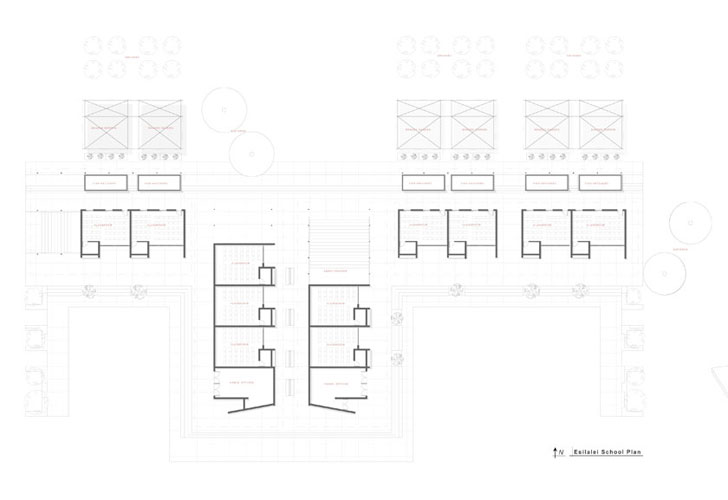
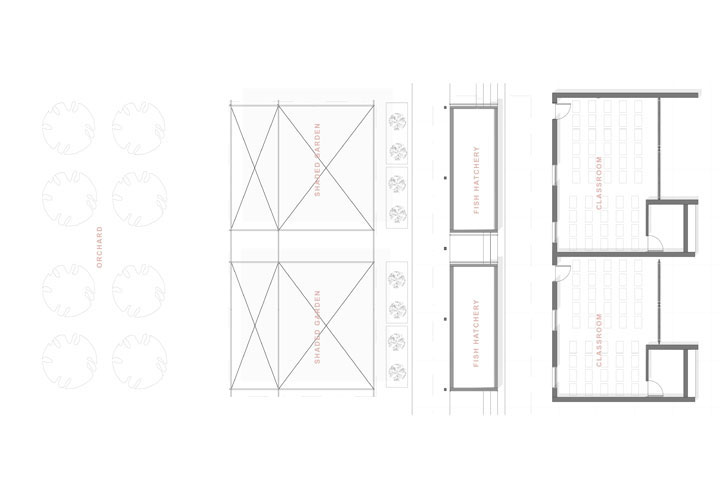
 Africa's Promise VillageInitial parameters included division of the site, informed by assumptions about the school's curriculum. The Maasai tribe of Esilale ceded 40 acres for construction; 10 acres were designated for the school, and the remaining 30 for a triple crop of maize, sunflowers, and chickpeas to complement the Maasai's existing farms and help combat prevalent malnutrition.3
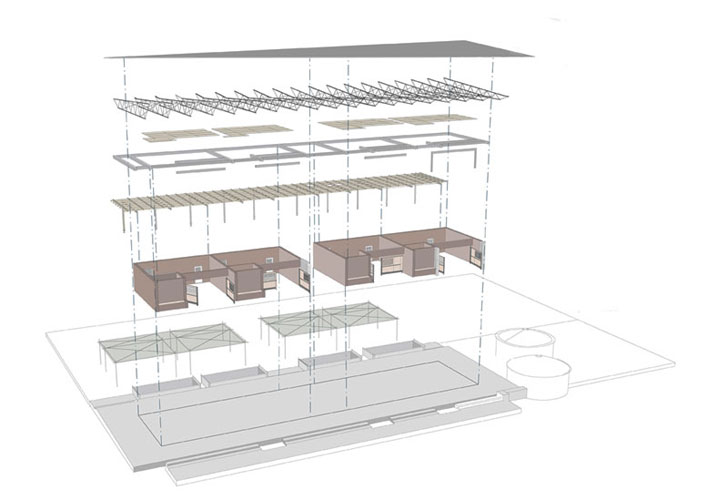
 Africa's Promise VillageThe complex will include 10 classrooms, dormitories for students and volunteers, an outdoor cooking facility, teacher housing, sanitation facilities, and a fresh water well to provide water to the children, community, farm animals, and for irrigation of crops.4
 Africa's Promise VillageChildren will be educated in various methods of crop production, irrigation, reading and writing, price negotiation, marketing of local crafts, and general hygiene and food preparation, looking to increase crop yield while improving education for Maasai youth.5
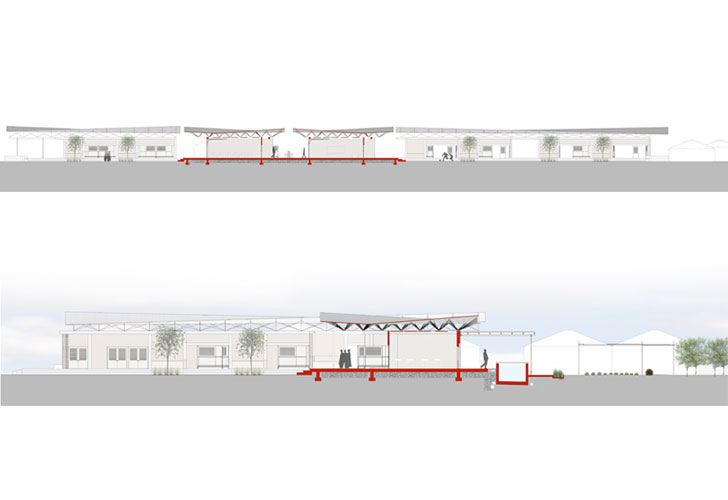
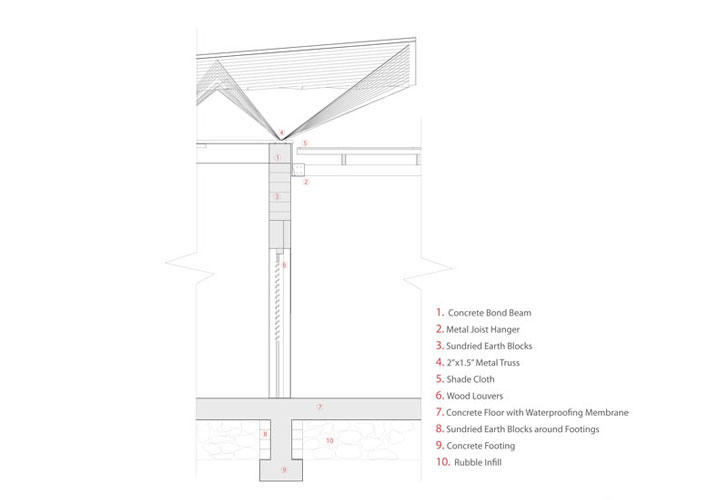
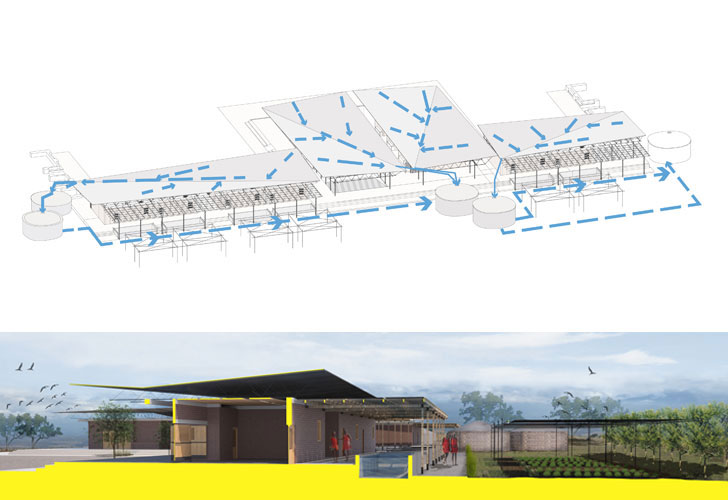
 Africa's Promise VillageKey environmental aspects required of each design included natural lighting and ventilation, use of local and recycled materials, hand-built and traditional construction techniques, rainwater catchment and recycling, and shading verandas.6
 Africa's Promise VillageGiven these parameters, each student devised a design, and a winning project chosen by a faculty jury, Dr. Gunn and Erin McGunn of Scale Africa, a non-profit organization that designs and builds school infrastructure projects in rural sub-Saharan Africa.7
 Africa's Promise VillageIn order to foster sustainability without creating dependency, local materials must be used, and the Maasai people must play an integral role in the design and construction of the school, integrating their cultural, architectural, and agricultural knowledge with the students to devise the most appropriate yet innovative design.8
 Africa's Promise VillageWith the help of students traveling to Tanzania during the Spring 2012 semester, ScaleAfrica will be in charge of construction of the project in Esilale.9
 Africa's Promise VillageAfrica's Promise Village School, in its iteration in Tanzania and future projects, highlights the importance of education as a human right, and represents the opportunity to create architectural projects that integrate environmental sustainability and design with social progress and the generation of economic viability.10


