


Start Slideshow


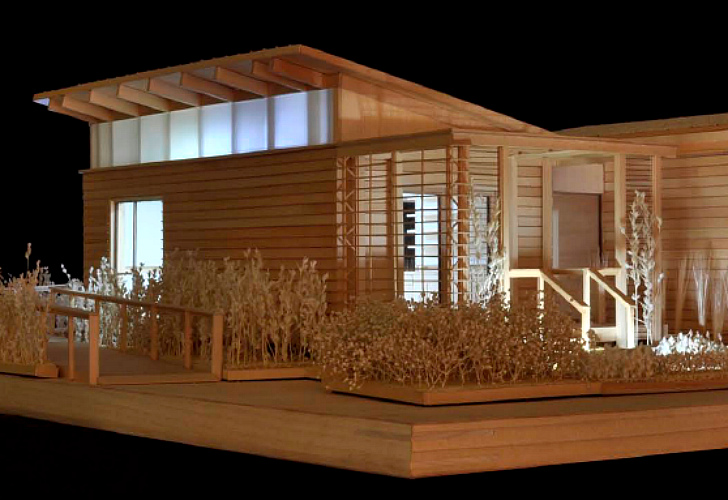


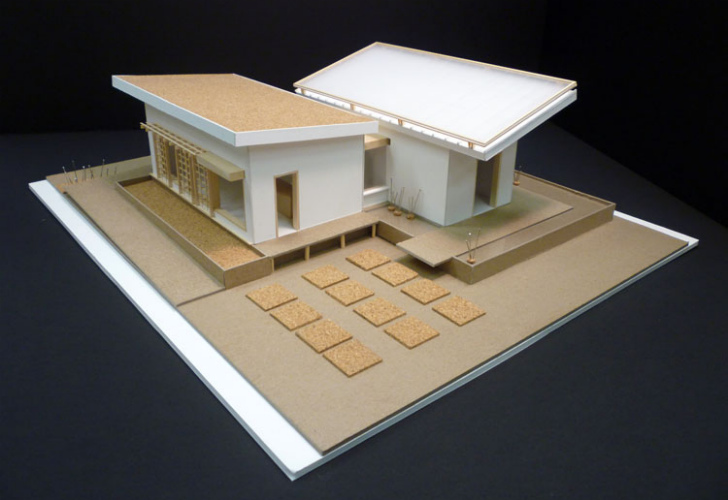


 Watershed HouseThe bright minds at the University of Maryland just sent us an updated version of their entry to the <a href="http://inhabitat.com/tag/2011-solar-decathlon">2011 Solar Decathlon</a>. <a href="http://inhabitat.com/watershed-300-students-design-house-that-runs-on-wind-rain-solar-and-waste/">WaterShed</a> is an impressive one bedroom home that goes beyond net zero energy. Inspired by the <a href="http://inhabitat.com/chesapeake-bay-foundation-headquarters-greenest-building-ever/">Chesapeake Bay</a> ecosystem, water is at the heart of the home, but it also relies on the sun, wind and other interconnected systems for energy efficiency in hopes of giving back to the surrounding ecosystem. A half green/half solar-paneled butterfly roof collects rainwater for the home, which also processes grey water in a constructed wetland for use in an edible garden and green walls.1
 WaterShed SD HouseAlthough the University of Maryland may have a home court advantage for the upcoming competition, now set to take place at West Potomac Park, we're not going to hold it against them.2
 WaterShed SD HouseThis core water system collects rainwater from the roof, diverts it services in the house.3
 WaterShed SD HouseThe small home is split up into two modules connected together by the bathroom, which is where the water axis is located.4
 WaterShed SD HouseThen, remaining rainwater and grey water are processed through the living machine, before finally being diverted into stormwater catchment.5
 WaterShed SD HouseOne half of the butterfly roof is covered in photovoltaic panels to generate electricity for the home and hopefully sell it back if the conditions are favorable.6
 WaterShed SD HouseWaterShed relies on interconnected systems for it energy efficiency and sustainable design.7
 WaterShed SD HouseWaterShed relies on both active and passive systems for energy efficiency, plus a water and vegetation system to promote a sustainable ecosystem8
 WaterShed SD HouseHere are the earlier versions of the WaterShed home from 2010.9
 WaterShed SD HouseA solar thermal hot water system provides domestic hot water, while a ground source heat pump helps efficiently heat and cool the home.10
 WaterShed SD HouseThe student's from the University of Maryland hope to show that by using integrated systems, you can achieve far greater efficiency and much lower impact.11
 WaterShed SD HouseA rendering of the WaterShed House.12


