


Start Slideshow


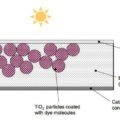 Dye Solar powerEnough solar energy hits the Earth in an hour to meet global power demand for an entire year: the trick is catching it, and doing it with equipment cheap enough to allow it to compete with fossil fuels. Researchers at the University of Quebec in Montreal have made progress on both those fronts by improving on the promising technology of dye-sensitized solar cells. This type of solar cell is easier to manufacture and has a lower cost per watt of energy than the photovoltaic array you might see on your neighbor's roof. It's also - at least theoretically - more versatile.1
 A dye-sensitized solar panelEnough solar energy hits the Earth in an hour to meet global power demand for an entire year: the trick is catching it, and doing it with equipment cheap enough to allow it to compete with fossil fuels. Researchers at the University of Quebec in Montreal have made progress on both those fronts by improving on the promising technology of dye-sensitized solar cells. This type of solar cell is easier to manufacture and has a lower cost per watt of energy than the photovoltaic array you might see on your neighbor's roof. It's also - at least theoretically - more versatile.2
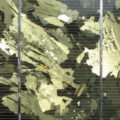 closeup of dye-sensitized solar panelEnough solar energy hits the Earth in an hour to meet global power demand for an entire year: the trick is catching it, and doing it with equipment cheap enough to allow it to compete with fossil fuels. Researchers at the University of Quebec in Montreal have made progress on both those fronts by improving on the promising technology of dye-sensitized solar cells. This type of solar cell is easier to manufacture and has a lower cost per watt of energy than the photovoltaic array you might see on your neighbor's roof. It's also - at least theoretically - more versatile.3
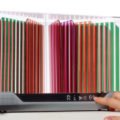 Helio dye-sensitized solar panelsEnough solar energy hits the Earth in an hour to meet global power demand for an entire year: the trick is catching it, and doing it with equipment cheap enough to allow it to compete with fossil fuels. Researchers at the University of Quebec in Montreal have made progress on both those fronts by improving on the promising technology of dye-sensitized solar cells. This type of solar cell is easier to manufacture and has a lower cost per watt of energy than the photovoltaic array you might see on your neighbor's roof. It's also - at least theoretically - more versatile.4
