


Start Slideshow


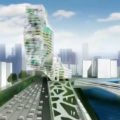 Future of Los Angeles - Michael Maltzan ArchitectureThis year Newsweek partnered up with Sprint to ask cutting-edge architecture firms what the city of the future will look like in 2030. Last spring they unveiled incredible proposals for the <a href="http://www.newsweek.com/feature/2010/future-of-work.html" target="_blank">future of New York City</a>, and they recently asked three Los Angeles architects to take a look at the sprawling West Coast metropolis and provide their visions of the future of LA. <a href="http://mmaltzan.com/" target="_blank">Michael Maltzan Architecture</a>, <a href="http://www.gensler.com/" target="_blank">Gensler</a> and <a href="http://citylab.aud.ucla.edu/" target="_blank">cityLAB-UCLA</a>, all take a hard look at their urban environment and unveiled three remarkable futuristic plans for a denser and more interconnected city -- read on for a look at each one!1
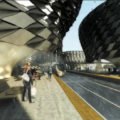 Future of Los Angeles - cityLAB-UCLAEach firm envisions a future where the city is more interconnected, residential areas are denser, work is more flexible and there are more green spaces for recreation.2
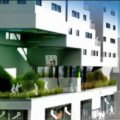 Future of Home - Michael Maltzan ArchitectureLA is a large sprawling metropolis, but the city has expanded to its limits and must grow denser and expand vertically rather than expand horizontally. As a way to add density, Maltzan proposes to build a new street level on top of existing buildings, creating a new ground plane, green space and residential areas a couple stories up.3
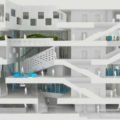 Future of Work - Michael Maltzan ArchitectureIn the future, the boundary lines between home, work, and play will blur, and part of that blurring will affect the urban fabric or work life. New offices must be more open and interactive, providing more opportunities for spur-of-the-moment meetings and encounters along with easy access to green space and other amenities.4
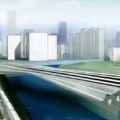 Future of Transportation - Michael Maltzan ArchitectureLA has a sprawling network of roads already, but in the future the city must rely more heavily on other modes of transportation like rail and possibly even the expansive river network. Also, new designs must have multiple functions -- Maltzan envisions bridges and transportation hubs that provide for all forms of transportation through railways, roads, pedestrian paths, and even river routes.5
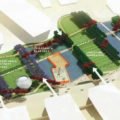 Future of Recreation - Michael Maltzan ArchitectureAs it stands now, recreation spaces in LA are primarily located near the beach on the Western edge of the city, and in the mountains to the North and the East -- all far away from where most people live. Maltzan proposes increasing urban park space and making it multi-purpose. Hybridized landscapes would include fields and sport courts, gardening, work zones, children's playgrounds and more.6
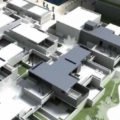 Future of Home - GenslerHomes will still be places to seek privacy, but they will become more compact and more useful. Technology will help provide more amenities, relaxation, and entertainment in the home, but the home will also become more interconnected with the community. Rooftops will become useful living space, and many homes will share common areas.7
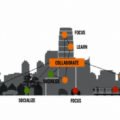 Future of Work - GenslerWork is already becoming less about being in an office -- in the future, technology will allow for collaboration without the need to be in the same place at the same time. Shared work spaces will become collaboration spaces, and overall net office space will decrease.8
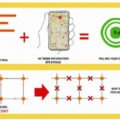 Future of Transportation - GenslerA traditional transportation system is not appropriate for LA, which has many different centers. Gensler proposes a GPS-enhanced mobility center that incorporates all modes of transportation (bus, rail, shared cars, bikes, etc) and is accessible via your smart phone. In this system user demand directs the transportation modes, rather than the transportation routes dictating where people can travel.9
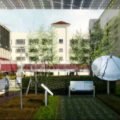 Future of Recreation - GenslerAs Los Angeles evolves from LA 1.0 to 2.0, older buildings and spaces will be renovated and taken over to make better use of space. New community-driven spaces and buildings will become more common, and people will enjoy more public spaces, like local parks.10
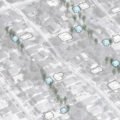 Future of Work - cityLABcityLAB-UCLA suggests that over time single family tract homes will begin building backyard homes on their extra land to make use of the space while providing extra income to their families. This additional residential space can also create a richer and more diverse community.11
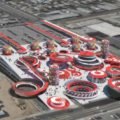 Future of Work - cityLABcityLAB envisions that big box retailers will shift their focus from just selling products to selling experiences. Big box stores will become interactive destinations, and the future of retail work will center on relationships and public service.12
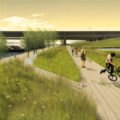 Future of Work - cityLABLA has a large network of roads as well as a large network of water distribution pipes and channels. cityLAB proposes to connect the two to create dynamic water-based landscapes like mist platforms, solar-encased water tanks, aquatic parking lots, and urban beaches. Ideally this would make commuters more aware of the fluctuations in the seasons.13
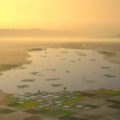 Future of Work - cityLABFinally, cityLAB envisions remaking the former recreation site of the Salton Sea into a new destination, albeit away from the city. They see the body of water used for various purposes that include aqua culture and the growing of plants. Reinvigorating the once popular destination would help create jobs.14
