


Start Slideshow
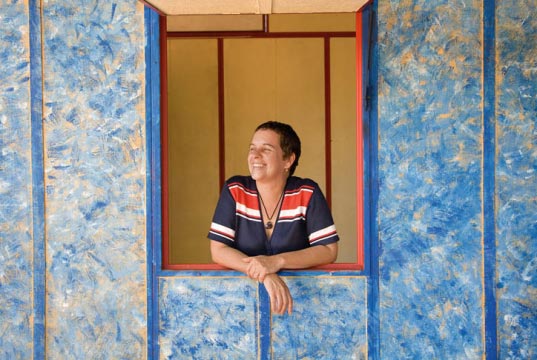


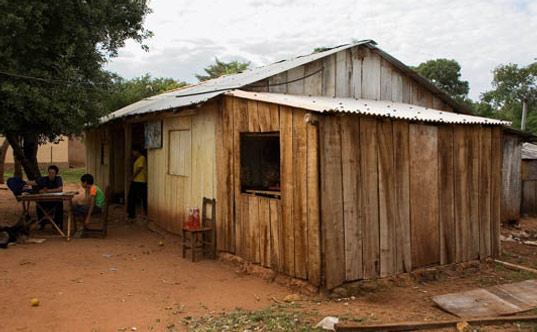
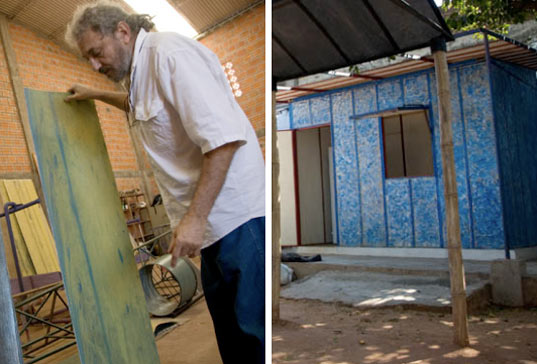
 Sustainable and Recyclable Housing Made From LoofahsIn Paraguay, forested areas have been reduced to less than 10% of the country, which means that wood is scarcely available as a building material. Additionally, 300,000 families do not have adequate housing. These two serious factors couple to form a sizable problem, which community activist Elsa Zaldívar is addressing with an innovative approach to sustainable building. Recognizing the waste being sent to the landfill and a need for housing, Elsa worked with an industrial engineer to develop a material made from recycled plastic and agricultural fibers, like loofah, corn husks and caranday palm trees. These panels now provide an inexpensive, lightweight, flexible building material that can help communities reduce their agricultural waste while generating income and providing sustainable housing to families.1
 Sustainable and Recyclable Housing Made From LoofahsIn Paraguay, forested areas have been reduced to less than 10% of the country, which means that wood is scarcely available as a building material. Additionally, 300,000 families do not have adequate housing. These two serious factors couple to form a sizable problem, which community activist Elsa Zaldívar is addressing with an innovative approach to sustainable building. Recognizing the waste being sent to the landfill and a need for housing, Elsa worked with an industrial engineer to develop a material made from recycled plastic and agricultural fibers, like loofah, corn husks and caranday palm trees. These panels now provide an inexpensive, lightweight, flexible building material that can help communities reduce their agricultural waste while generating income and providing sustainable housing to families.2
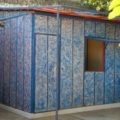 Sustainable and Recyclable Housing Made From LoofahsIn Paraguay, forested areas have been reduced to less than 10% of the country, which means that wood is scarcely available as a building material. Additionally, 300,000 families do not have adequate housing. These two serious factors couple to form a sizable problem, which community activist Elsa Zaldívar is addressing with an innovative approach to sustainable building. Recognizing the waste being sent to the landfill and a need for housing, Elsa worked with an industrial engineer to develop a material made from recycled plastic and agricultural fibers, like loofah, corn husks and caranday palm trees. These panels now provide an inexpensive, lightweight, flexible building material that can help communities reduce their agricultural waste while generating income and providing sustainable housing to families.3
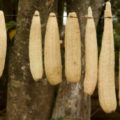 Sustainable and Recyclable Housing Made From LoofahsIn Paraguay, forested areas have been reduced to less than 10% of the country, which means that wood is scarcely available as a building material. Additionally, 300,000 families do not have adequate housing. These two serious factors couple to form a sizable problem, which community activist Elsa Zaldívar is addressing with an innovative approach to sustainable building. Recognizing the waste being sent to the landfill and a need for housing, Elsa worked with an industrial engineer to develop a material made from recycled plastic and agricultural fibers, like loofah, corn husks and caranday palm trees. These panels now provide an inexpensive, lightweight, flexible building material that can help communities reduce their agricultural waste while generating income and providing sustainable housing to families.4
 Sustainable and Recyclable Housing Made From LoofahsIn Paraguay, forested areas have been reduced to less than 10% of the country, which means that wood is scarcely available as a building material. Additionally, 300,000 families do not have adequate housing. These two serious factors couple to form a sizable problem, which community activist Elsa Zaldívar is addressing with an innovative approach to sustainable building. Recognizing the waste being sent to the landfill and a need for housing, Elsa worked with an industrial engineer to develop a material made from recycled plastic and agricultural fibers, like loofah, corn husks and caranday palm trees. These panels now provide an inexpensive, lightweight, flexible building material that can help communities reduce their agricultural waste while generating income and providing sustainable housing to families.5
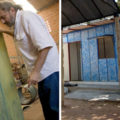 Sustainable and Recyclable Housing Made From LoofahsIn Paraguay, forested areas have been reduced to less than 10% of the country, which means that wood is scarcely available as a building material. Additionally, 300,000 families do not have adequate housing. These two serious factors couple to form a sizable problem, which community activist Elsa Zaldívar is addressing with an innovative approach to sustainable building. Recognizing the waste being sent to the landfill and a need for housing, Elsa worked with an industrial engineer to develop a material made from recycled plastic and agricultural fibers, like loofah, corn husks and caranday palm trees. These panels now provide an inexpensive, lightweight, flexible building material that can help communities reduce their agricultural waste while generating income and providing sustainable housing to families.6
