


Start Slideshow


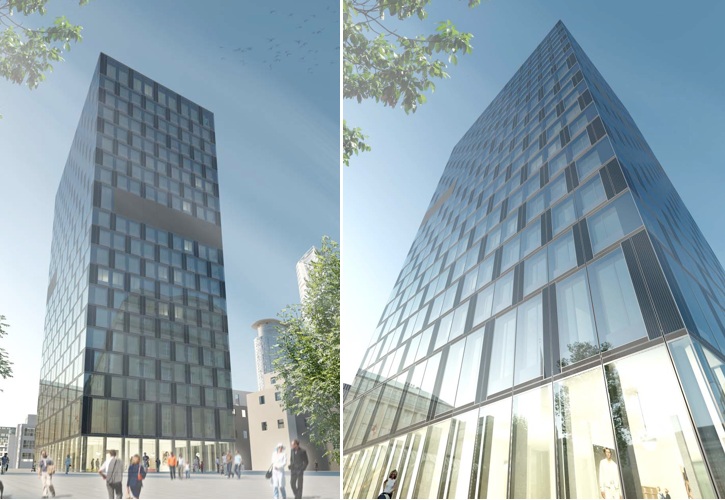




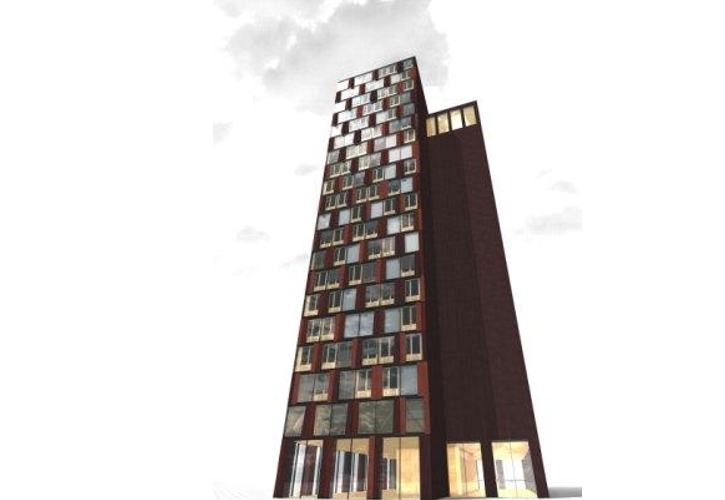
 LifeCycle Tower<a href="http://www.creebyrhomberg.com/en/">CREE</a>, (Creative Renewable Energy & Efficiency) is in the process of designing one of the most sustainable high-rise building systems ever conceived. Taking into account the entire carbon footprint and lifecycle of a building, the LifeCycle Tower to be built in Dornbirn, Austria uses wood as its primary structural support. When it is completed it will stand 30 stories tall, netting it the title of the tallest wooden building in the world. The building is designed to <a href="http://inhabitat.com/index.php?s=passivehaus">Passivhaus</a> standards and uses <a href="http://inhabitat.com/?cat=17">prefabricated</a> building modules that can be erected in half the time of traditional building. An adaptive façade can host solar electric, solar thermal, green panels, or sunscreens, making this a strong candidate for the world's greenest high-rise.1
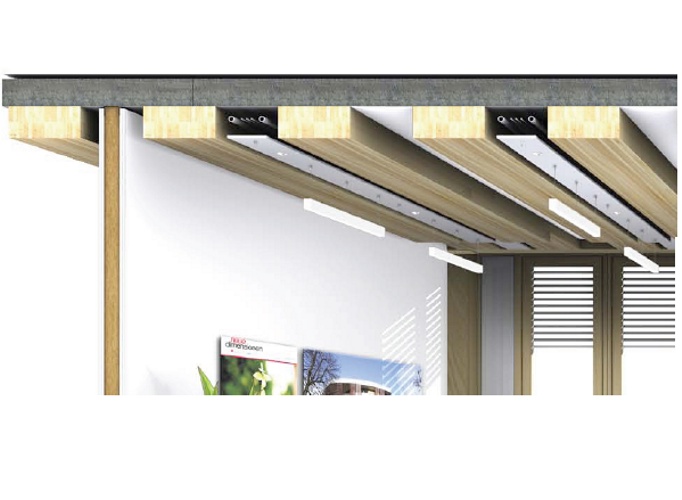
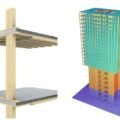 LifeCycle TowerThe core of the prefab system is a wooden post and beam construction that supports a concrete slab. The utilities and elevator core of the building can be made from either concrete or wood.2
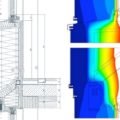 LifeCycle TowerThe exterior shell is engineered to maximize the walls' r-value and reduce <a href="http://www.passivhaustagung.de/Passive_House_E/passive_house_avoiding_thermal_brigdes.html">thermal bridging</a>.3
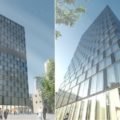 LifeCycle TowerThe system has the potential to qualify for the Passivhaus standards which supports, and in fact encourages, larger buildings.4
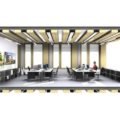 LifeCycle TowerThe design is based on a 1.3 meter grid, and can be used for hotels, offices, apartments or other needs.5
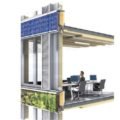 LifeCycle TowerThe façade utilizes a panelized system which can be manipulated for the client’s aesthetic preferences and supports a number of technologies. These include a <a href="http://inhabitat.com/2010/10/29/korean-tower-boasts-one-of-the-worlds-most-efficient-solar-facades/">building-integrated photovoltaic</a> (BIPVs) system, <a href="http://inhabitat.com/2010/10/08/largest-green-wall-in-north-america-to-be-unveiled-tomorrow/">green wall system</a>, solar thermal panels or a second glazing curtain.6
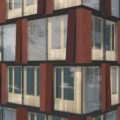 LifeCycle TowerThe wood beam post slab configuration is also very earthquake resistant and holds up to fire without losing as much structural strength as steel.7
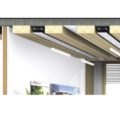 LifeCycle TowerThe Glulams beams are set in an interesting horizontal fashion to support the reinforced concret slab. Utilities and lighting is then run in between the beams.8
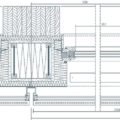 LifeCycle TowerEven the Passivehaus stardard windows use wooden frames.9
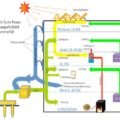 LifeCycle TowerSystems integration helps make the best use of energy resources like solar, biomass boilers and passive cooling with the operable windows.10
 LifeCycle TowerBy pushing the limits of one of the most ubiquitous and <a href="http://inhabitat.com/2010/04/06/demystifying-eco-labels/wood-2/?extend=1">potentially sustainable building materials</a> and combining it with the benefits of prefab construction and the fantastic energy performance of <a href="http://www.inhabitat.com/2010/04/07/passivhaus-the-greenest-building-standard/">Passivhaus</a> design, the Lifecycle tower comes close to being the ultimate green building.11

