


Start Slideshow


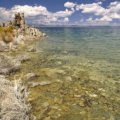 NASA Discovers New Form of Life, Could Revolutionize EnergyIn the "this will seriously blow your mind" category, NASA has announced a discovery that has shaken the entire scientific community's understanding of life as we know it. In addition to all life being carbon based, it was generally accepted that all life needed oxygen, hydrogen, nitrogen, sulfur, and phosphorus in order to survive - until now. A team of NASA scientists studying bacteria in Mono Lake in California have discovered a microorganism that substitutes arsenic -- a chemical that is toxic to almost all living organisms -- for all parts of a cell that in every other life form are built from phosphate. Not only has this discovery made it necessary to re-edit every science textbook in use, but researchers say it could revolutionize green energy and toxic waste cleanup.1
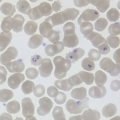 NASA Discovers New Form of Life, Could Revolutionize EnergyIn the "this will seriously blow your mind" category, NASA has announced a discovery that has shaken the entire scientific community's understanding of life as we know it. In addition to all life being carbon based, it was generally accepted that all life needed oxygen, hydrogen, nitrogen, sulfur, and phosphorus in order to survive - until now. A team of NASA scientists studying bacteria in Mono Lake in California have discovered a microorganism that substitutes arsenic -- a chemical that is toxic to almost all living organisms -- for all parts of a cell that in every other life form are built from phosphate. Not only has this discovery made it necessary to re-edit every science textbook in use, but researchers say it could revolutionize green energy and toxic waste cleanup.2
 NASA Discovers New Form of Life, Could Revolutionize EnergyIn the "this will seriously blow your mind" category, NASA has announced a discovery that has shaken the entire scientific community's understanding of life as we know it. In addition to all life being carbon based, it was generally accepted that all life needed oxygen, hydrogen, nitrogen, sulfur, and phosphorus in order to survive - until now. A team of NASA scientists studying bacteria in Mono Lake in California have discovered a microorganism that substitutes arsenic -- a chemical that is toxic to almost all living organisms -- for all parts of a cell that in every other life form are built from phosphate. Not only has this discovery made it necessary to re-edit every science textbook in use, but researchers say it could revolutionize green energy and toxic waste cleanup.3
