


Start Slideshow


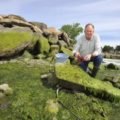 Seaweed2During the Gulf of Mexico oil disaster, there were numerous methods discussed on how to clean up the polluted water, ranging from microbes to underwater robots. However, Charles Yarish, a Stamford professor of ecology and evolutionary biology, believes that seaweed could be a key tool in purification. Yarish believes that seaweed could not only be used to clean up pollution from human sources, but also natural waste....<br><br><a href='https://inhabitat.com/how-seaweed-can-help-water-purification/'>READ ARTICLE</a>1
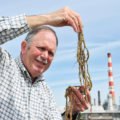 SeaweedDuring the Gulf of Mexico oil disaster, there were numerous methods discussed on how to clean up the polluted water, ranging from microbes to underwater robots. However, Charles Yarish, a Stamford professor of ecology and evolutionary biology, believes that seaweed could be a key tool in purification. Yarish believes that seaweed could not only be used to clean up pollution from human sources, but also natural waste....<br><br><a href='https://inhabitat.com/how-seaweed-can-help-water-purification/'>READ ARTICLE</a>2
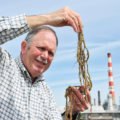 YarishDuring the Gulf of Mexico oil disaster, there were numerous methods discussed on how to clean up the polluted water, ranging from microbes to underwater robots. However, Charles Yarish, a Stamford professor of ecology and evolutionary biology, believes that seaweed could be a key tool in purification. Yarish believes that seaweed could not only be used to clean up pollution from human sources, but also natural waste....<br><br><a href='https://inhabitat.com/how-seaweed-can-help-water-purification/'>READ ARTICLE</a>3
