


Start Slideshow


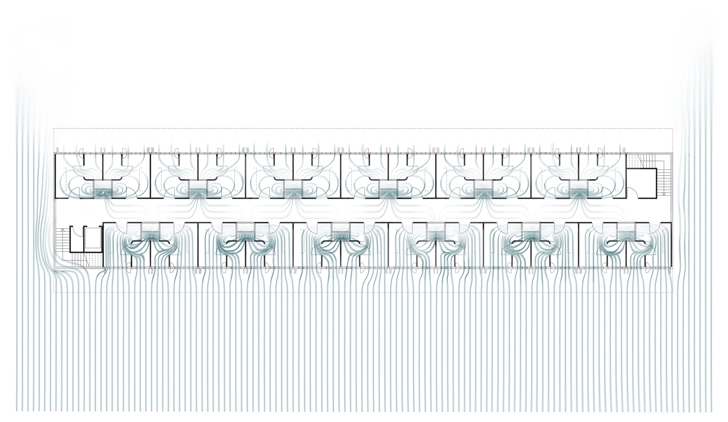




 Zoka Zola natural ventilation HostelSouth China’s sub tropical climate is the perfect environment to push the envelope for naturally cooled architecture. <a href="http://www.zokazola.com/">Zoka Zola Architects</a> fully intends to maximize the art and science of <a href="http://inhabitat.com/arup-unveils-the-worlds-most-sustainable-broadcasting-studio/">natural cooling </a>as they unveil a hostel that is fully ventilated using only prevailing breezes to keep occupants comfortable. The aggressively flared roof and carefully designed air shafts scoop up prevailing breezes and transfer the currents throughout the building. Made from locally grown <a href="http://inhabitat.com/lumboo-dimensional-lumber-made-from-bamboo/">bamboo</a> the project aims to be the greenest building in Southern China.1
 Zoka Zola natural ventilation HostelThe Hostel is to be a corporate retreat and training center but the developer also wants to push the limits of green design.2
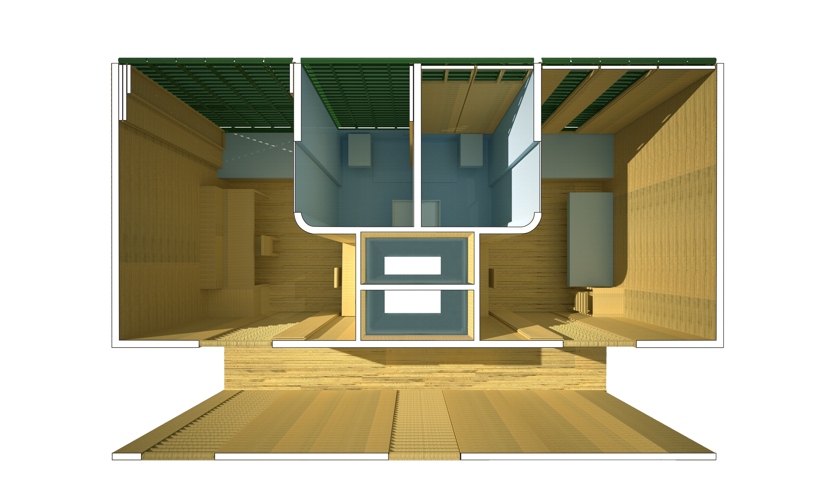
 Zoka Zola natural ventilation HostelThe 24 bedrooms are all set on an upper floor which is feed fresh air by an aggressive wind scoop system built into the roof.3
 Zoka Zola natural ventilation HostelHumans are kept comfortable by not only cooled air but by<a href="http://www.wbdg.org/resources/naturalventilation.php"> moving air</a> which draws heat off our skin. In fact natural breezes provide comfort in rooms that are much warmer than typically tolerated.4
 Zoka Zola natural ventilation HostelDesigned in conjunction with <a href="http://inhabitat.com/california-academy-of-sciences-unveiled/">Arup Engineering </a>Hong Kong the roof directs the prevailing winds and pushes it into the core of the building, providing each room with cooling breezes.5
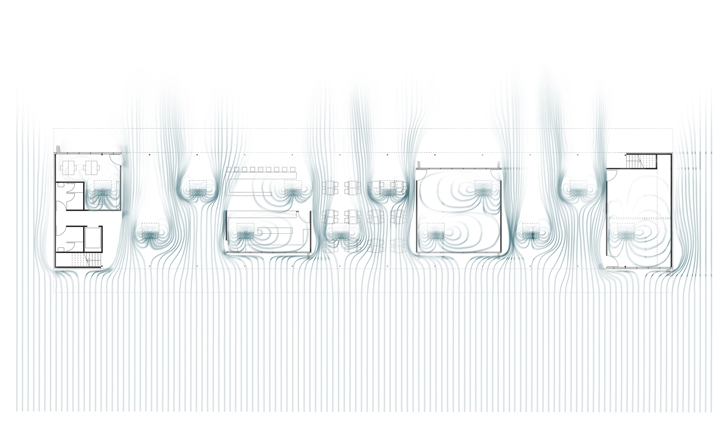
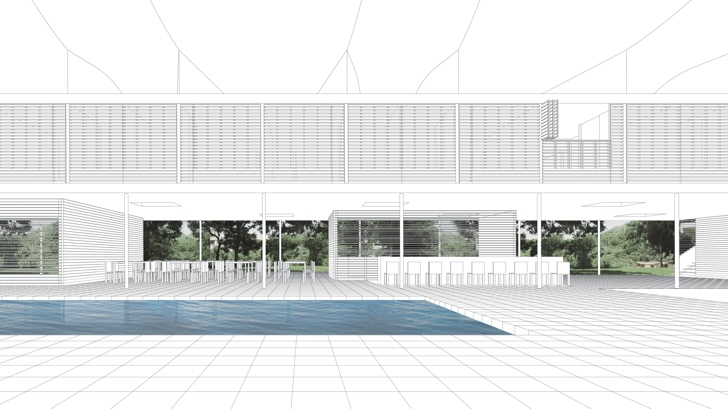
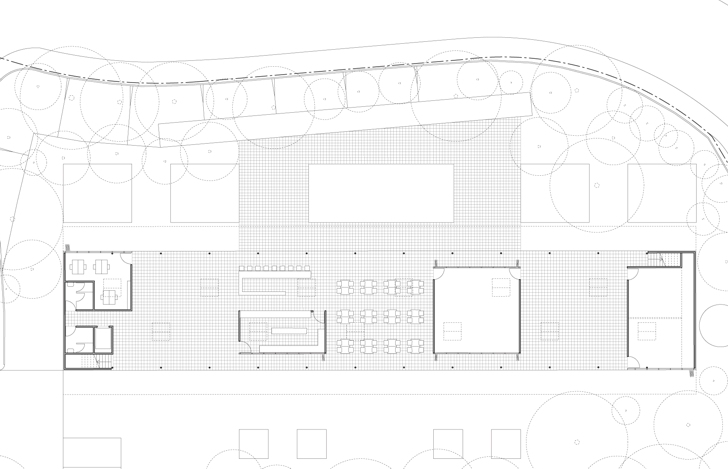
 Zoka Zola natural ventilation HostelThe lower floor will be the community area with a restaurant, conference space and indoor/outdoor area tucked below the sleeping quarters.6
 Zoka Zola natural ventilation HostelBy carefully incorporating the natural wind patterns of the site the building is designed to accommodate the changing wind conditions.7
 Zoka Zola natural ventilation HostelThe aggressive flared roofline on either side of the building efficiently captures the moving air-- which is then transferred throughout the second floor using large plenums. The air exits out again through an open grid floor to the open space below.8
 Zoka Zola natural ventilation HostelDuring the day southerly breezes come from the ocean.9
 Zoka Zola natural ventilation HostelIn the evening cool northerly winds come down the forested slope and wash across the building.10
 Zoka Zola natural ventilation HostelThe roof also acts as a<a href="http://inhabitat.com/south-african-wilderness-center-captures-rain-in-its-roof-to-keep-cool/"> buffer from solar gain</a>.11
 Zoka Zola natural ventilation HostelThe building is made mostly from<a href="http://inhabitat.com/stunning-tang-palace-restaurant-is-wrapped-in-a-geometric-bamboo-skin/"> bamboo </a>an indigenous grass to Southern China and a excellent building material.12
 Zoka Zola natural ventilation HostelThe copious use of the traditional building material is intended to help bring bamboo back as a contemporary choice in low rise building. Furniture and finishes will also be made from the versatile grass.13


