


Start Slideshow

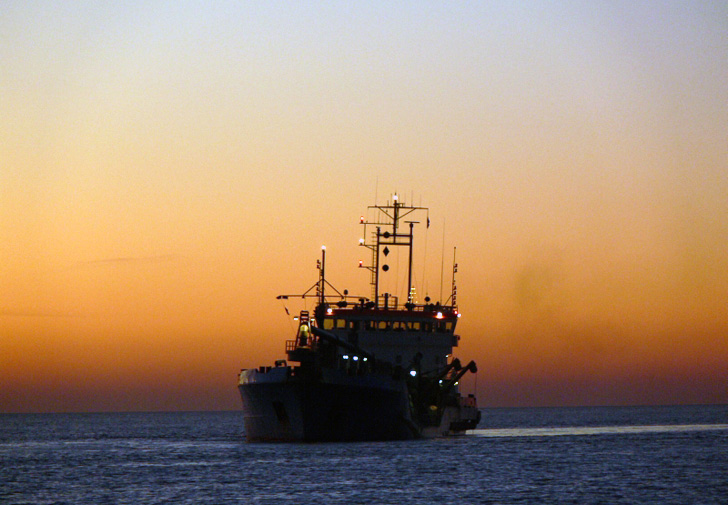

 ShipOne of the major concerns over the current crop of renewable energy technologies is that they're pretty expensive compared to dirtier, more conventional fossil fuels. However researchers at Boston University and the Fraunhofer Center for Manufacturing Innovation think they've found a way of producing cleaner, cheaper wave generated energy on demand. Their idea would send a fleet of wave-powered ships out into the middle of the ocean, where they would drop anchor and start gathering energy from the movement of the surrounding waves. This energy would then be stored in on-board batteries, and once fully charged the ships would return to shore where the energy could be distributed into the grid.1
 ShipOne of the major concerns over the current crop of renewable energy technologies is that they're pretty expensive compared to dirtier, more conventional fossil fuels. However researchers at Boston University and the Fraunhofer Center for Manufacturing Innovation think they've found a way of producing cleaner, cheaper wave generated energy on demand. Their idea would send a fleet of wave-powered ships out into the middle of the ocean, where they would drop anchor and start gathering energy from the movement of the surrounding waves. This energy would then be stored in on-board batteries, and once fully charged the ships would return to shore where the energy could be distributed into the grid.2
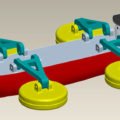 Wave Energy Generating ShipsOne of the major concerns over the current crop of renewable energy technologies is that they're pretty expensive compared to dirtier, more conventional fossil fuels. However researchers at Boston University and the Fraunhofer Center for Manufacturing Innovation think they've found a way of producing cleaner, cheaper wave generated energy on demand. Their idea would send a fleet of wave-powered ships out into the middle of the ocean, where they would drop anchor and start gathering energy from the movement of the surrounding waves. This energy would then be stored in on-board batteries, and once fully charged the ships would return to shore where the energy could be distributed into the grid.3
