


Start Slideshow


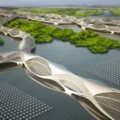
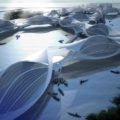
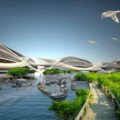 A Post Diluvian Future Wetropolis by S+PBABangkok-based architecture firm S+PBA recently unveiled plans for a self-sustaining <a href="http://inhabitat.com/spiraling-skyscraper-pod-city-for-a-future-london/" target="_blank">floating city</a> that can thrive with the ebb and flow of rising tides. Dubbed "A Post Diluvian Future", the "wetropolis" allows Bangkok to live with natural flooding instead of resisting it while creating a homeostasis that <a href="http://inhabitat.com/giant-mangrove-patch-office-tower-rotates-to-provide-splendid-views-of-java-sea/" target="_blank">detoxifies</a> the region's polluted waters.1
 A Post Diluvian Future Wetropolis by S+PBAS+PBA’s home city of <a href="http://inhabitat.com/temple-of-a-million-bottles/" target="_blank">Bangkok</a> is rapidly sinking as it is eroded each year by floods of seawater that invade the city. A UN study claims that most of the city will become marshes by 2050.2
 A Post Diluvian Future Wetropolis by S+PBAThe city itself was built on <a href="http://inhabitat.com/chicago-environmental-center-is-a-carbon-neutral-urban-nest/" target="_blank">marshy lands </a>300 years ago, but the grounds are rapidly deteriorating. The skyrocketing population and development of the city above has caused the underground aquifers to become over exhausted, making them unable to handle the flood waters.3
 A Post Diluvian Future Wetropolis by S+PBAS+PBA then asks whether it's better to stay and sink, abandon <a href="http://inhabitat.com/luxury-residences-on-phuket-island-to-feature-modular-louvered-screens/" target="_blank">Bangkok</a>, or float along with the waters.4
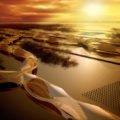 A Post Diluvian Future Wetropolis by S+PBAThe city is surrounded by <a href="http://inhabitat.com/exxonmobil-oil-spill-ravages-the-shores-of-the-yellowstone-river/" target="_blank">polluted water</a> fields, left over from the once burgeoning shrimp farm industry. The water fields are bought by developers, who in turn continue to build upon them, which has only worsened the city’s sinking state.5
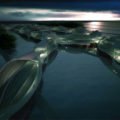 A Post Diluvian Future Wetropolis by S+PBABangkok has always been flushed with sea water, so S+PBA propose that the city learns to deal with it, and accept it as a constant, rather than a flood crisis. Embracing the water, they call their new Waterworld-style city plan a “<a href="http://inhabitat.com/floating-water-lily-islands-would-delight-tourists-and-soak-up-solar-rays/#ixzz1Ss4E461D" target="_blank">Wetropolis</a>.” The vegetation basis for the Wetropolis is a forest of indigenous <a href="http://inhabitat.com/joysxee-is-a-real-eco-paradise-island-that-floats-atop-garbage/" target="_blank">mangroves</a>, which the government is already trying to implement in Bangkok. The mangroves naturally filter water, and they also supply fresh oxygen and natural cooling. As the water is filtered, shrimp farming can flourish in a sustainable manner. The community will live above the water fields in a network of interconnected homes, walkways, and roads, with curvaceous lines that emulate the rippling water below.6
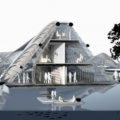 A Post Diluvian Future Wetropolis by S+PBAThe plan will be showcased this September at the “Water- Curse or Blessing?” exhibition at Berlin’s Aedes Gallery.7
