


Start Slideshow


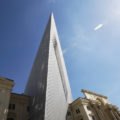 Daniel Libeskind, Dresden Museum of Military HistoryStarchitect <a href="http://www.daniel-libeskind.com/" target="_blank">Daniel Libeskind</a> has done it again, bisecting Dresden’s historical <a href="http://www.militaerhistorisches-museum.bundeswehr.de/portal/a/mhm" target="_blank">Museum of Military History</a> with one of his <a href="http://inhabitat.com/daniel-libeskinds-sustainable-prefab/" target="_blank">signature angular additions</a>. The transparent glass and steel structure rises five storeys, extending beyond the current building in a manner that can only be described as dramatic. The addition’s tip points poignantly towards the direction where a series of destructive World War II bombs were dropped years ago.1
 Daniel Libeskind, Dresden Museum of Military HistoryLibeskind’s addition commemorates the reopening of the <a href="http://inhabitat.com/the-national-museum-of-the-marine-corps-is-a-green-roofed-monument-to-servicemen/" target="_blank">war museum</a>, after a 22 year closure. The neo-classical building was originally an arsenal for the German Armed forces, so Libeskind designed the angular wedge to symbolize the grave disruption in German military history by the Nazi era.2
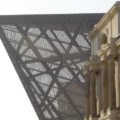 Daniel Libeskind, Dresden Museum of Military HistoryThe pointed addition extends the five floors of galleries, and adds an observation deck for visitors to observe the Dresden skyline. The <a href="http://inhabitat.com/daniel-libeskinds-reflections-to-command-skyline-of-singapores-coast/" target="_blank">transparent wedge</a> brings daylight from all angles into each floor of the <a href="http://inhabitat.com/belgian-brewery-transformed-into-modern-housing-project-for-artists/" target="_blank">historic building</a>.3
 Daniel Libeskind, Dresden Museum of Military HistoryThe outer shell is encased by a screen of thin steel rods, which filter in the daylight. A second, larger steel grid inside provides structural support and pattern to the wedge.4
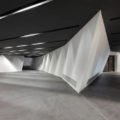 Daniel Libeskind, Dresden Museum of Military HistoryThe halls and floors below the new addition are angled as well, with thin strips of skylights, that leak daylight into the hallways below.5
 Daniel Libeskind, Dresden Museum of Military HistoryNew exhibitions will be shown in Libeskind’s addition, which are separated by exposed concrete from the historic galleries, which includes the first German submarine, the <a href="http://en.wikipedia.org/wiki/Brandtaucher" target="_blank">Brandtaucher</a>, built in 1850.6
 Daniel Libeskind, Dresden Museum of Military HistoryThe Dresden Museum of Military History was once Germany’s center for military pride. Libeskind’s addition to is meant to be a literal visual representation of the interruption of Germany’s proud military history, due to the atrocities of the Nazi party. The addition is symbolic, beautiful, and also makes the <a href="http://inhabitat.com/brilliant-computer-history-museum-renovated-from-a-silicon-valley-tech-building/" target="_blank">museum</a> Germany’s largest.7
