


Start Slideshow

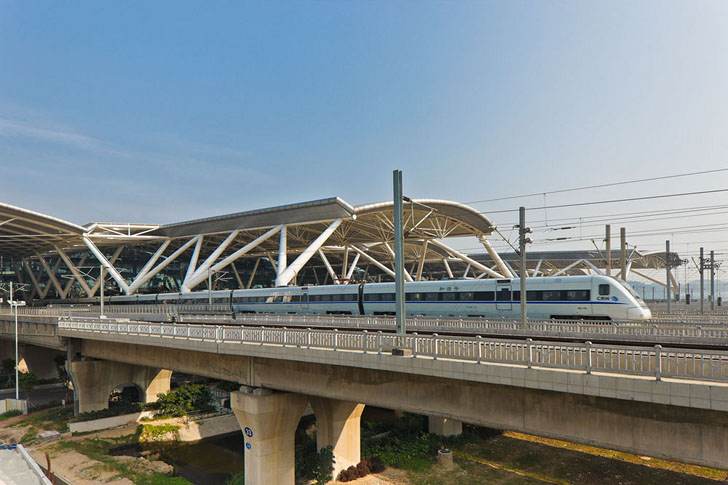
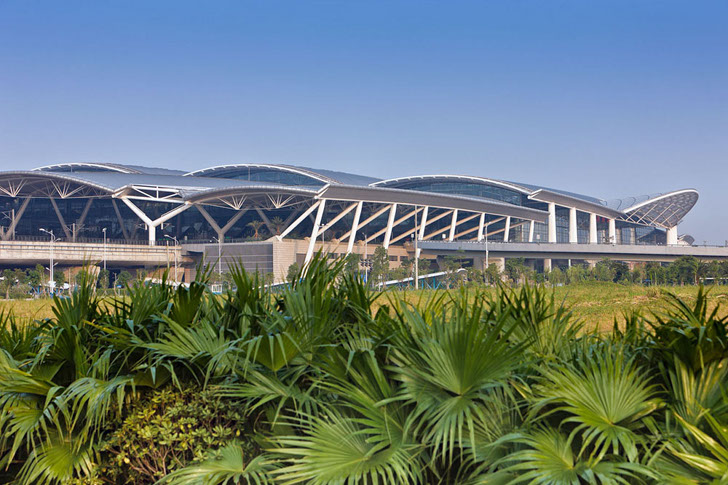

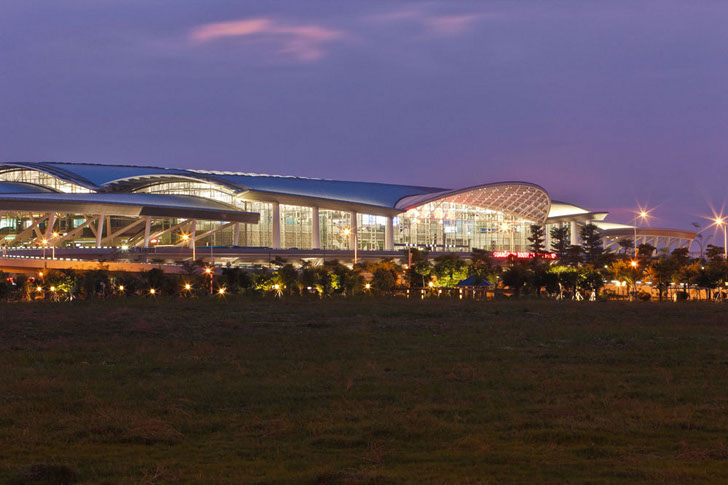
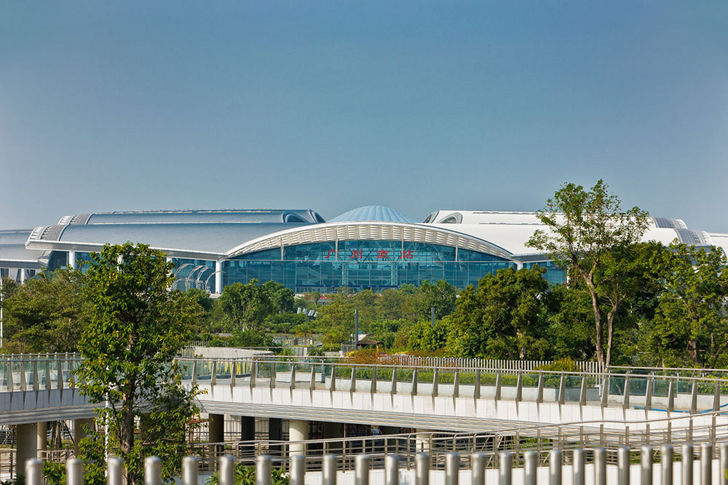
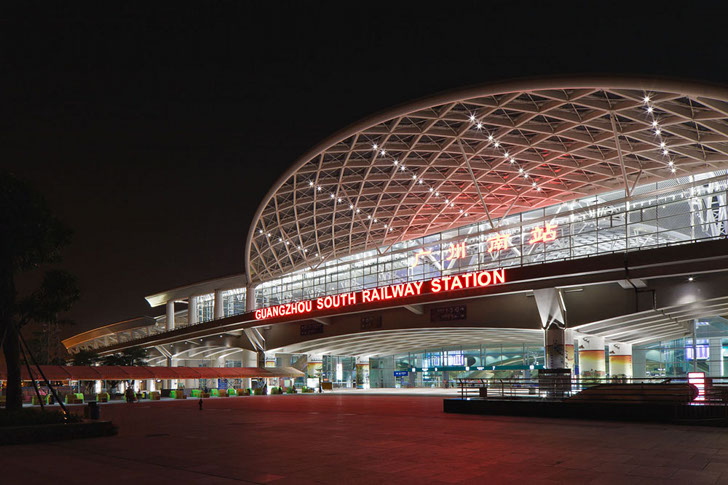
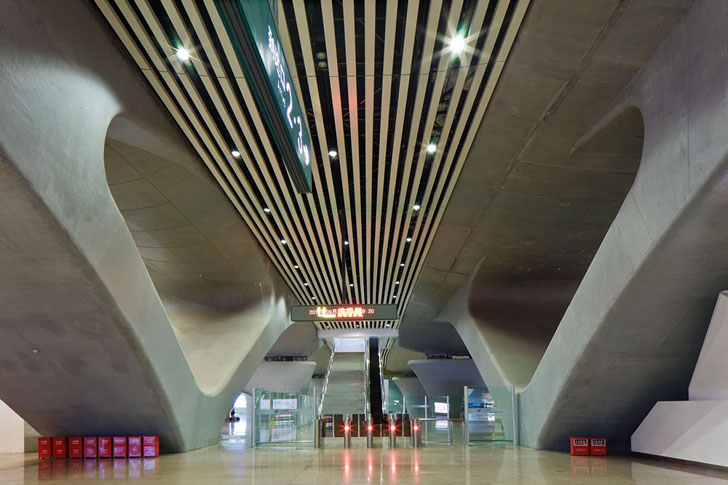
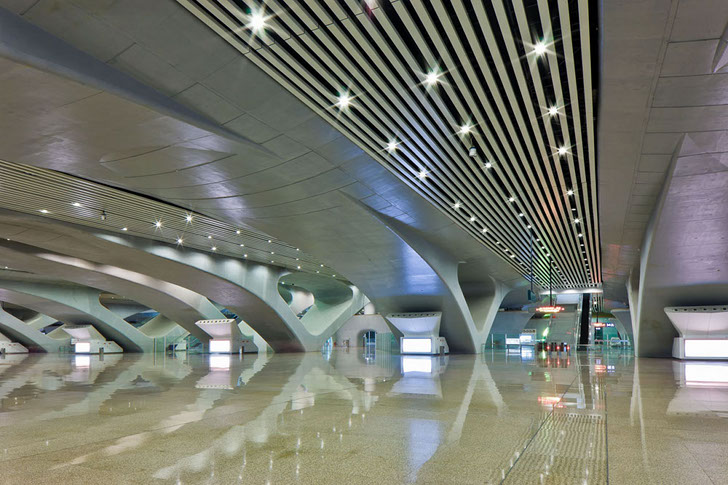


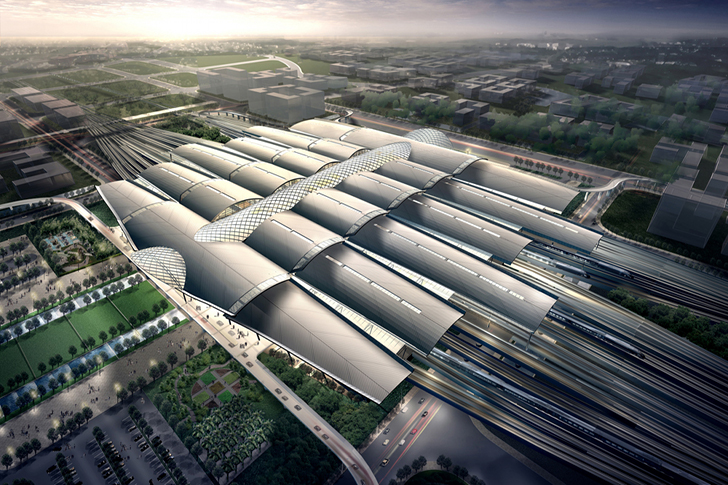
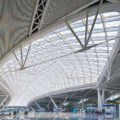 Guangzhou South Railway Station-TFP FarrellsChina is diligently working on the development of its <a href="http://inhabitat.com/china-celebrates-the-opening-of-the-gorgeous-daylit-tianjin-west-railway-station/">high speed rail network</a>, and one of the four most important stations is the Guangzhou South Railway Station. This strategically located station provides connectivity for the whole of the Pearl River Delta, which has a population of 120 million people - trains link all other major cities in the area in less than 30 minutes. The <a href="http://www.tfpfarrells.com/" target="_blank">TFP Farrells</a>-designed station maximizes daylighting to reduce its energy needs, and it was built to accommodate an increased flow of passengers in the future.1
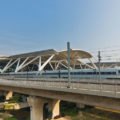 Guangzhou South Railway Station-TFP FarrellsInspired by modern airport layouts, TFP Farrells adopted a vertical organization strategy in order to maximize their space and provide a clearer passenger flow.2
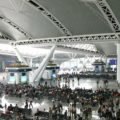
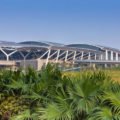 Guangzhou South Railway Station-TFP FarrellsThe departures concourse is on the top level, while the platforms are below on the middle level.3
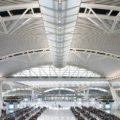 Guangzhou South Railway Station-TFP FarrellsBelow that, on the ground floor, is the arrivals hall, which provides easy access to other forms of transport including the five metro lines housed in the basement levels.4
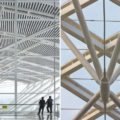 Guangzhou South Railway Station-TFP FarrellsWith an expected 300,000 passengers by 2030, the station has to quickly and easily be able to direct and move a lot of people through its halls.5
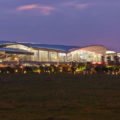 Guangzhou South Railway Station-TFP FarrellsClear signage, wide open spaces and lots of bright light will aid in that endeavor.6
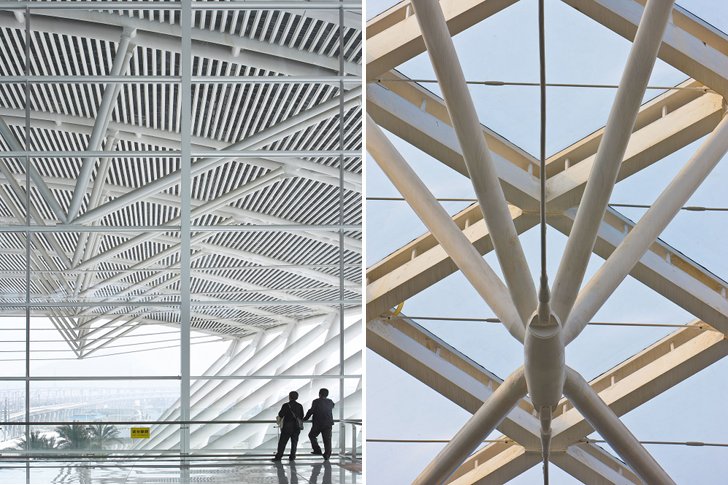
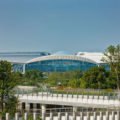 Guangzhou South Railway Station-TFP FarrellsThe design team also worked to reduce the station's environmental impact and this is most apparent in their use of natural daylighting, which reduces the electric load and improves the interior environment for the passenger.7
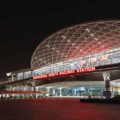 Guangzhou South Railway Station-TFP FarrellsA central skylight spine running parallel with the tracks floods the concourse area with natural light, while the roof is made with <a href="http://en.wikipedia.org/wiki/ETFE" target="_blank">ETFE</a> and can be adjusted to moderate according to weather conditions.8
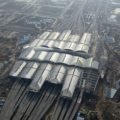
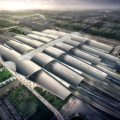
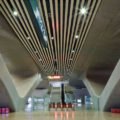 Guangzhou South Railway Station-TFP FarrellsParallel with the tracks area series of barrel vaulted roofs reminiscent of banana leaves, which allow more natural daylighting in on the sides.9
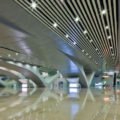 Guangzhou South Railway Station-TFP FarrellsOnly the concourse area is enclosed, which minimizes the need for conditioned spaces.10
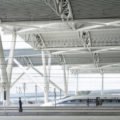 Guangzhou South Railway Station-TFP FarrellsThe ends of the tracks are open allowing natural ventilation to freely flow through the space. A system of photovoltaics generates power for the station.11
 Guangzhou South Railway Station-TFP FarrellsThe train station's layout was also decided upon based on the fact that it is actually located in a sensitive wetlands area. Apparently, they couldn't place the station anywhere else, but they attempted to minimize their impact by building vertically to reduce the footprint.12
 Guangzhou South Railway Station-TFP FarrellsTFP Farrells collaborated with the Fourth Railway Survey and Design Institute and the Beijing Institute of Architectural Design (BIAD) and completed the station in 2010.13
 Guangzhou South Railway Station-TFP FarrellsThe local government expects that the station will vastly increase the use of public transport to a point where 80% of the journeys in the area will be made via public means, while only 20% will be via private car. And that perhaps is the greatest environmental strategy of them all.14
