


Start Slideshow


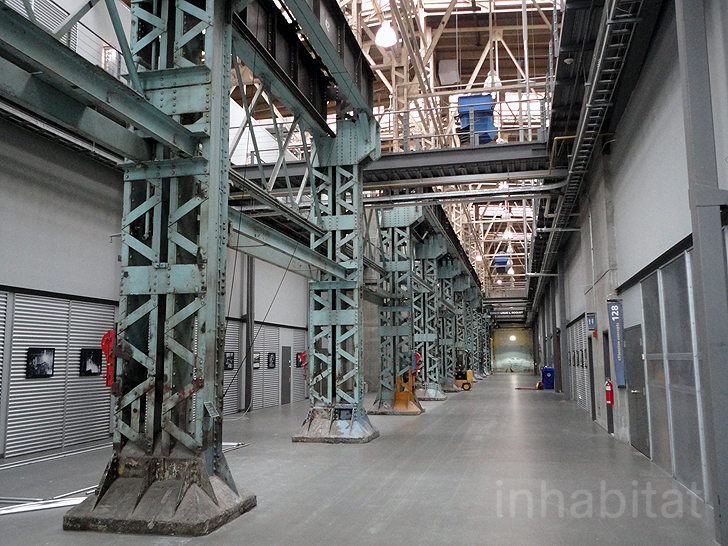


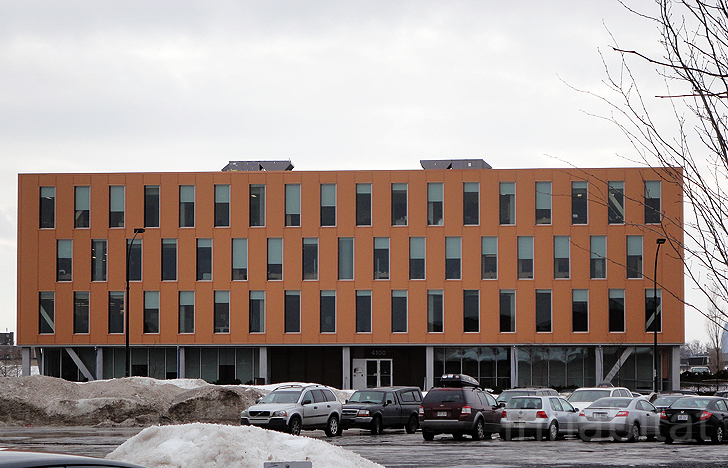
 Montreal Angus ShopsThe <a href="http://en.wikipedia.org/wiki/CPR_Angus_Shops" target="_blank">Angus Shops</a> of <a href="http://inhabitat.com/photos-biosphere-environmental-museum-resides-inside-a-buckminster-fuller-masterpiece/" target="_blank">Montreal</a> is part of a small neighborhood centered around a green commercial and industrial complex that includes many top companies and a large grocery store. The site on which the new destination sits was once a historic Canadian Pacific Railway factory that produced freight cars and locomotives for all of Canada for almost a century, until 1992. Since its closing, the disused site has been transformed into a mixed-use neighborhood featuring low- and moderate-income homes, and the historic buildings that were once the backbone of the area have been given a new life.1
 Montreal Angus ShopsDuring most of the 20<sup>th</sup> Century, the <a href="http://www.cpr.ca/en/Pages/Default.aspx" target="_blank">Canadian Pacific Railway</a> factory was the lifeblood of the neighborhood, employing 12,000 locals. The <a href="http://inhabitat.com/sea-salt-refinery-renovated-into-a-historic-landmark-event-building-in-vancouver/" target="_blank">industrial buildings</a> were once guarded with a closed entrance, and employed the many families that lived in the homes built around it.2
 Montreal Angus ShopsAs the train transportation industry declined after the 1970s, the neighborhood became more and more sparsely populated, and the <a href="http://inhabitat.com/the-zap’-ados-skatepark-is-a-former-peanut-factory-wrapped-in-bright-orange-mesh/" target="_blank">factory finally closed its doors</a> in 1992. Renovation of the neighborhood began in the early 1980s by the Rosemont Housing Committee, who focused on creating a socially mixed residential area.3
 Montreal Angus ShopsSince the factory and its buildings were such an important part of many Montrealer’s history, the <a href="http://inhabitat.com/photos-san-franciscos-southern-pacific-brewing-is-a-tree-filled-beer-sanctuary-in-a-renovated-warehouse/" target="_blank">industrial site</a> was redeveloped to respect as much of the original complex as possible.4
 Montreal Angus ShopsThe main factory was repurposed into an office complex, housing mostly technology companies. The interior still has the <a href="http://inhabitat.com/montreals-cluny-artbar-is-a-hot-spot-furnished-with-salvaged-materials/" target="_blank">industrial windows</a> and catwalks that workers looked up to each day one hundred years ago.5
 Montreal Angus ShopsLoblaws, a popular supermarket chain, located a giant superstore in the CPR Angus Locoshop. The parking lot which connects the Loblaws with the office complex is encased in the walls of a former <a href="http://inhabitat.com/volkswagens-brand-new-chattanooga-plant-awarded-leed-platinum/" target="_blank">factory building</a>. The brick enclosures, rising three stories high, are supported by steel buttresses, and pay tribute to the history of the site.6
 Montreal-train-factory5Keeping in the vein of adaptive reuse and sustainability, any new building that is developed on the site must meet <a href="http://inhabitat.com/world-health-organizations-amman-hq-receives-leed-gold-certification/" target="_blank">LEED certification</a> at the highest level possible. <br> The new neighborhood of Rosemont offers a comfortable neighborhood for low to moderate income residents, while <a href="http://inhabitat.com/historic-church-with-tiffany-stained-glass-transformed-into-beautiful-concert-hall-for-montreal/" target="_blank">preserving an important and sentimental park of Montreal</a>’s industrial past.7


