


Start Slideshow


 Coconut CoirAnyone who has ever cared for plants has probably purchased commercial potting soil at some point in their lives - but did you know that almost all commercial potting soils are made from peat - a non-renewable resource which exists in very limited quantities on our planet, and has be harvested from peat bogs which are thousands of years old? When I first heard about this I had no idea! Most peat comes from wetlands and swamp forests where it forms naturally from decomposing material and helps regulate carbon as well as support wildlife....<br><br><a href='https://inhabitat.com/coconut-coir-is-an-eco-friendly-gardening-alternative-that-helps-your-plants-thrive/'>READ ARTICLE</a>1
 Coconut CoirAnyone who has ever cared for plants has probably purchased commercial potting soil at some point in their lives - but did you know that almost all commercial potting soils are made from peat - a non-renewable resource which exists in very limited quantities on our planet, and has be harvested from peat bogs which are thousands of years old? When I first heard about this I had no idea! Most peat comes from wetlands and swamp forests where it forms naturally from decomposing material and helps regulate carbon as well as support wildlife....<br><br><a href='https://inhabitat.com/coconut-coir-is-an-eco-friendly-gardening-alternative-that-helps-your-plants-thrive/'>READ ARTICLE</a>2
 Coconut CoirAnyone who has ever cared for plants has probably purchased commercial potting soil at some point in their lives - but did you know that almost all commercial potting soils are made from peat - a non-renewable resource which exists in very limited quantities on our planet, and has be harvested from peat bogs which are thousands of years old? When I first heard about this I had no idea! Most peat comes from wetlands and swamp forests where it forms naturally from decomposing material and helps regulate carbon as well as support wildlife....<br><br><a href='https://inhabitat.com/coconut-coir-is-an-eco-friendly-gardening-alternative-that-helps-your-plants-thrive/'>READ ARTICLE</a>3
 Coconut CoirAnyone who has ever cared for plants has probably purchased commercial potting soil at some point in their lives - but did you know that almost all commercial potting soils are made from peat - a non-renewable resource which exists in very limited quantities on our planet, and has be harvested from peat bogs which are thousands of years old? When I first heard about this I had no idea! Most peat comes from wetlands and swamp forests where it forms naturally from decomposing material and helps regulate carbon as well as support wildlife....<br><br><a href='https://inhabitat.com/coconut-coir-is-an-eco-friendly-gardening-alternative-that-helps-your-plants-thrive/'>READ ARTICLE</a>4
 Coconut CoirAnyone who has ever cared for plants has probably purchased commercial potting soil at some point in their lives - but did you know that almost all commercial potting soils are made from peat - a non-renewable resource which exists in very limited quantities on our planet, and has be harvested from peat bogs which are thousands of years old? When I first heard about this I had no idea! Most peat comes from wetlands and swamp forests where it forms naturally from decomposing material and helps regulate carbon as well as support wildlife....<br><br><a href='https://inhabitat.com/coconut-coir-is-an-eco-friendly-gardening-alternative-that-helps-your-plants-thrive/'>READ ARTICLE</a>5
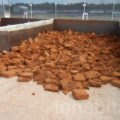 Coconut CoirAnyone who has ever cared for plants has probably purchased commercial potting soil at some point in their lives - but did you know that almost all commercial potting soils are made from peat - a non-renewable resource which exists in very limited quantities on our planet, and has be harvested from peat bogs which are thousands of years old? When I first heard about this I had no idea! Most peat comes from wetlands and swamp forests where it forms naturally from decomposing material and helps regulate carbon as well as support wildlife....<br><br><a href='https://inhabitat.com/coconut-coir-is-an-eco-friendly-gardening-alternative-that-helps-your-plants-thrive/'>READ ARTICLE</a>6
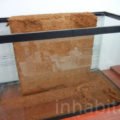 Coconut CoirAnyone who has ever cared for plants has probably purchased commercial potting soil at some point in their lives - but did you know that almost all commercial potting soils are made from peat - a non-renewable resource which exists in very limited quantities on our planet, and has be harvested from peat bogs which are thousands of years old? When I first heard about this I had no idea! Most peat comes from wetlands and swamp forests where it forms naturally from decomposing material and helps regulate carbon as well as support wildlife....<br><br><a href='https://inhabitat.com/coconut-coir-is-an-eco-friendly-gardening-alternative-that-helps-your-plants-thrive/'>READ ARTICLE</a>7
 Coconut CoirAnyone who has ever cared for plants has probably purchased commercial potting soil at some point in their lives - but did you know that almost all commercial potting soils are made from peat - a non-renewable resource which exists in very limited quantities on our planet, and has be harvested from peat bogs which are thousands of years old? When I first heard about this I had no idea! Most peat comes from wetlands and swamp forests where it forms naturally from decomposing material and helps regulate carbon as well as support wildlife....<br><br><a href='https://inhabitat.com/coconut-coir-is-an-eco-friendly-gardening-alternative-that-helps-your-plants-thrive/'>READ ARTICLE</a>8
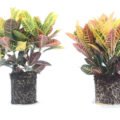 Coconut CoirAnyone who has ever cared for plants has probably purchased commercial potting soil at some point in their lives - but did you know that almost all commercial potting soils are made from peat - a non-renewable resource which exists in very limited quantities on our planet, and has be harvested from peat bogs which are thousands of years old? When I first heard about this I had no idea! Most peat comes from wetlands and swamp forests where it forms naturally from decomposing material and helps regulate carbon as well as support wildlife....<br><br><a href='https://inhabitat.com/coconut-coir-is-an-eco-friendly-gardening-alternative-that-helps-your-plants-thrive/'>READ ARTICLE</a>9
 Coconut CoirAnyone who has ever cared for plants has probably purchased commercial potting soil at some point in their lives - but did you know that almost all commercial potting soils are made from peat - a non-renewable resource which exists in very limited quantities on our planet, and has be harvested from peat bogs which are thousands of years old? When I first heard about this I had no idea! Most peat comes from wetlands and swamp forests where it forms naturally from decomposing material and helps regulate carbon as well as support wildlife....<br><br><a href='https://inhabitat.com/coconut-coir-is-an-eco-friendly-gardening-alternative-that-helps-your-plants-thrive/'>READ ARTICLE</a>10
 Coconut CoirAnyone who has ever cared for plants has probably purchased commercial potting soil at some point in their lives - but did you know that almost all commercial potting soils are made from peat - a non-renewable resource which exists in very limited quantities on our planet, and has be harvested from peat bogs which are thousands of years old? When I first heard about this I had no idea! Most peat comes from wetlands and swamp forests where it forms naturally from decomposing material and helps regulate carbon as well as support wildlife....<br><br><a href='https://inhabitat.com/coconut-coir-is-an-eco-friendly-gardening-alternative-that-helps-your-plants-thrive/'>READ ARTICLE</a>11
