


Start Slideshow


 Recycling São Paulo- CoopereIn the shadows of the United Nation's Rio+20 Sustainable Development Conference, where nation-states concern themselves with devising <a href="http://inhabitat.com/australia-creates-worlds-biggest-marine-park-network/" target="_blank">sustainable international policies</a>, various non-governmental organizations and communities are taking action to spur their own development sustainably. Such is the case in São Paulo, Brazil, where various recycling co-operatives have formed under different programs and within disparate communities to provide <a href="http://inhabitat.com/rio-de-janeiro-set-to-replace-the-worlds-largest-open-air-landfill-with-a-recycling-plant/" target="_blank">better waste management</a> for the city, and green jobs to residents in need. Read ahead to learn more about three co-operatives that illustrate the breadth of <a href="http://inhabitat.com/scotland-to-recycle-old-diapers-and-turn-them-into-furniture/" target="_blank">communal recycling programs</a> in São Paulo, and how they are providing a possible model for social inclusion in the path towards a cleaner, more sustainable future.1
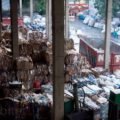 Recycling São Paulo- CoopereThe city of São Paulo, the largest metropolis in South America, produces massive amounts of solid waste on a daily basis. The sheer volume of recyclable trash overwhelms the capacity of these services.2
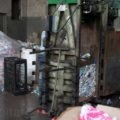 Recycling São Paulo- CoopereA program of recycling co-operatives was started by the city, and now services 16 districts. A part of this program, Coopere operates out of a municipal waste sorting facility, employing citizens with difficulties getting work elsewhere.3
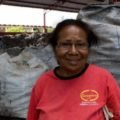 Recycling São Paulo- CoopereThe goal, in the end, is to take catadores off the streets and give them legitimate jobs. One of the managers at the site, Olinda, puts it simply: “It is dangerous on the streets out there; we try to get people in a safe, secure working environment with possible professional development.”4
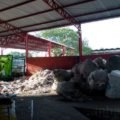 Recycling São Paulo- CoopereAs part of its agreement with the city, Coopere must handle all of the recyclable waste collected by city trucks in its district, and is put in charge of finding buyers for the material. In exchange, the co-operative is given use of one truck, and has formed a list of over 700 clients, from which they have on-site access to the most valuable materials.5
 Recycling São Paulo- CoopereWorkers are paid proportionately to hours worked and based on the net profits made from material sales.6
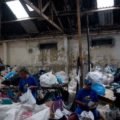 Recycling São Paulo- CoorpelOnly 5 percent of São Paulo's city budget is dedicated to recycling programs, and little to none of it is spent on education and training for potential workers and entrepreneurs. To remedy this disconnect, various NGOs are taking it upon themselves to harness an environment where recycling training can occur.7
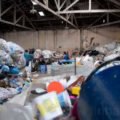 Recycling São Paulo- CoorpelReviraVolta was started by Centro Gaspar Garcia de Direitos Humanos to help street residents in the center of São Paulo learn a new occupation, while providing cultural programs and substance abuse rehabilitation.8
 Recycling São Paulo- CoorpelCoorpel facility is the principal center for the program, where workers participate in daily labor, and have access to voluntary crafts activities that use collected waste as raw material.9
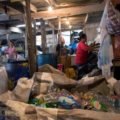 Recycling São Paulo- FiladelfiaFiladélfia recycling, a community-based operation near Vila Eliane Fernandes favela, thought it could qualify for some municipal funding or services when it first set up shop, but its location on private land owned by a utility company impeded any help from the city.10
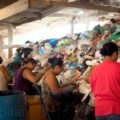
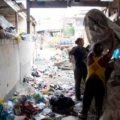 Recycling São Paulo- FiladelfiaWomen in charge of the group persevered, self-organizing into a strong contingent of over 20 workers that constructed a sorting facility complete with offices and a truck garage. The women designate tasks, manage schedules and pickup routes, and divvy up the profits based on working hours.11
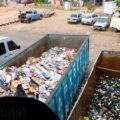 Recycling São Paulo- FiladelfiaEach material has its specific path through the facility, and even complex pieces such as electronics are taken apart by specialized workers.12
 Recycling São Paulo- FiladelfiaBy persevering and taking great pride in their work and their community, the women of Filadélfia recycling have sustained the livelihood of several families in spite of the lack of governmental aid. Helena exemplifies this pride through her thorough, hard work and incredibly positive attitude.13
 Recycling São Paulo- FiladelfiaWhile these three case studies present a broad picture of the state of recycling in São Paulo, which is somewhat reflected across Brazil, one thing is for certain: by incorporating community-based social programs and job development into environmental policy, cities and states around the globe can apply the lessons learned from São Paulo and strive towards holistic sustainable development.14
