


Start Slideshow


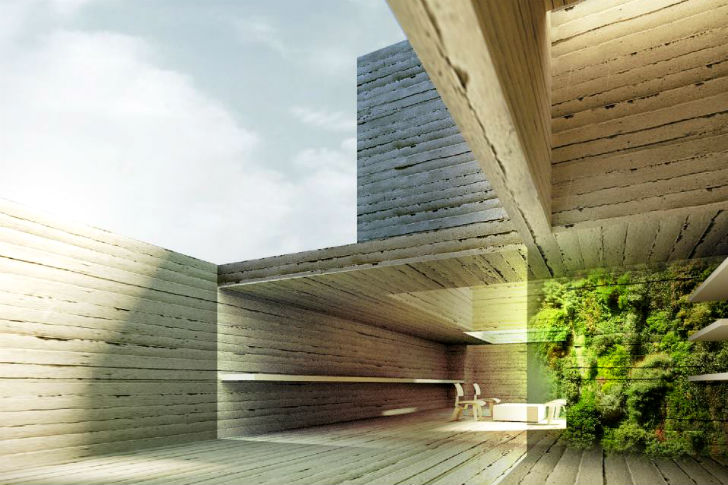
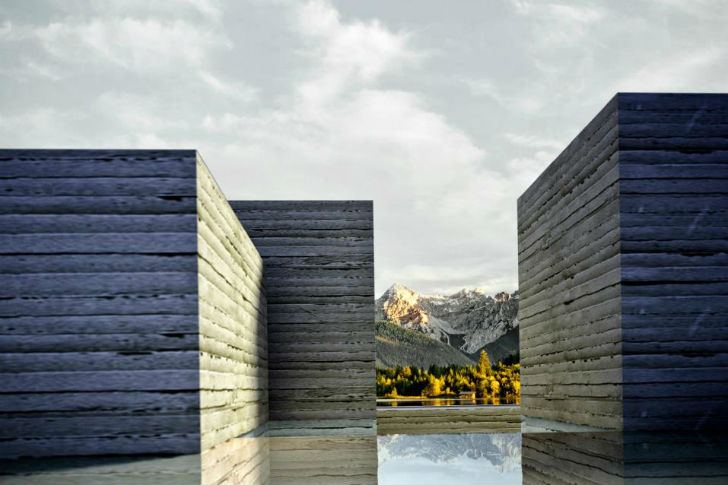

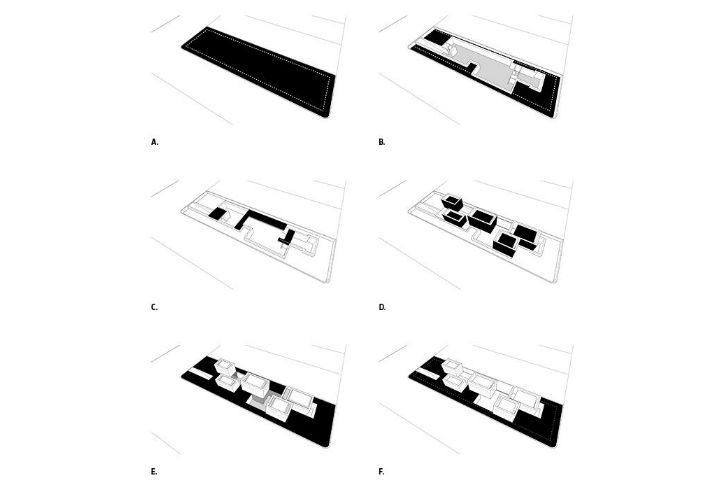
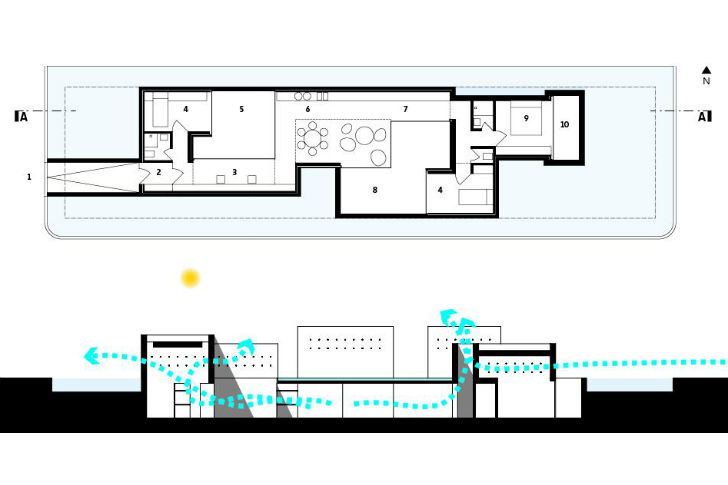

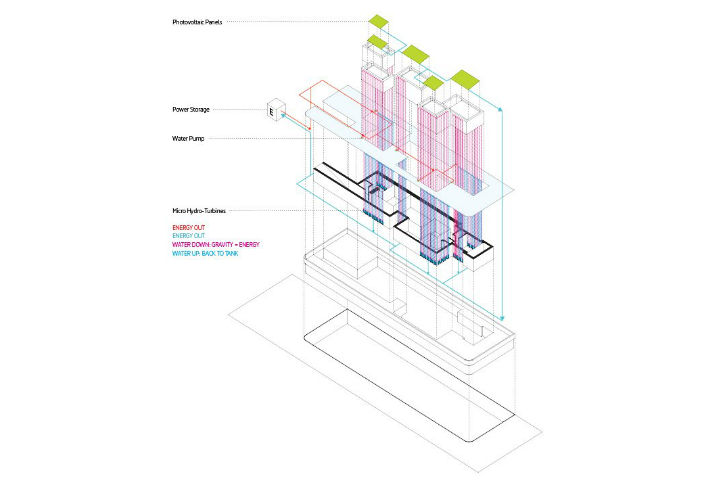
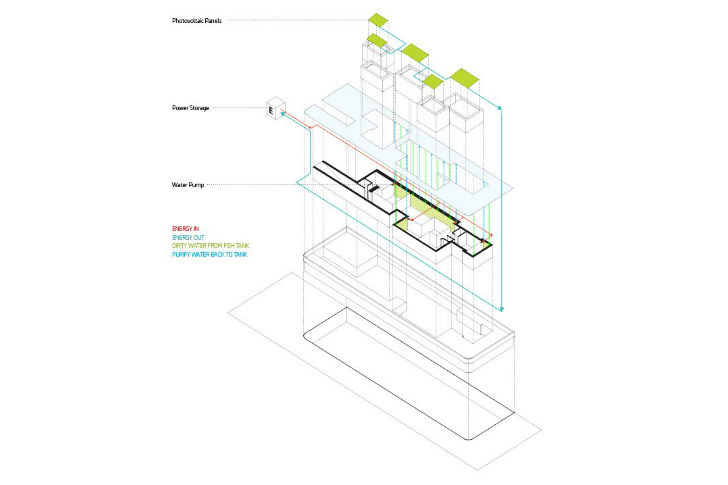
 HOUSE-Polifactory<a href="http://www.polifactory.com/architecture.html#houseplus" target="_blank">HOUS.E+</a> is a home of the future that makes use of multiple sustainable systems to create a self-sufficient home that grows its own food and produces energy. Designed by <a href="http://www.polifactory.com/" target="_blank">Polifactory</a> for the <a href="http://100mh.architecturefoundationbc.ca/about-100mh/" target="_blank">100 Mile House design competition</a>, HOUS.E+ is a concept that relies on geothermal energy for efficient heating and cooling in Vancouver. Rammed earth walls made from soil excavated on site provide an eco-friendly enclosure while an aquaponics farm around the home produces fish and food. Topped with photovoltaic panels and lined with micro-hydro turbines in the walls, the HOUS.E+ is designed to produce more energy than it needs, sending the rest back to the grid.1
 HOUSE-Polifactory<a href="http://www.polifactory.com/" target="_blank">Polifactory</a> came up with the concept for the self-sufficient HOUS.E+ for the <a href="http://100mh.architecturefoundationbc.ca/about-100mh/" target="_blank">100 Mile House design competition</a>, which concluded in May.2
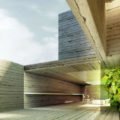 HOUSE-PolifactoryAlthough not a winner, the home makes use of number of sustainable technologies currently in existence, but which have not yet been combined into one home.3
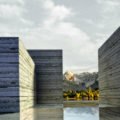 HOUSE-PolifactoryDesigned for a suburban site in Vancouver, HOUS.E+ is built using soil excavated from the land to build the rammed earth walls.4
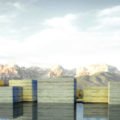 HOUSE-PolifactoryThese breathable walls act as thermal mass to transfer warmth into the home.5
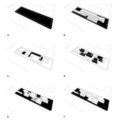 HOUSE-PolifactoryRooms are sunk 2.5 meters into the ground to take advantage of constant temperatures in the earth and geothermal heating and cooling ensures an energy efficient climate control.6
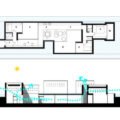 HOUSE-PolifactoryEmbedded into the walls are a series of water pipes and micro hydro turbines that take advantage of gravity to generate energy from falling water.7
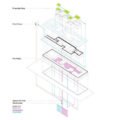 HOUSE-PolifactoryWe're not quite sure how that energy balance works out, but a rooftop photovoltaic system does generate plenty of energy for the house and the excess is fed back onto the grid.8
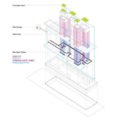 HOUSE-PolifactoryUsing the home as a distributed energy source helps the city provide electricity through a smart grid system.9
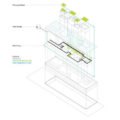 HOUSE-PolifactoryAround the home is a aquaponics farm that grows and raises organic food on site and eliminates the need for transportation. The symbiotic environment raises aquatic animals like snails, crawfish, prawns and fish, while hydroponic vegetables feed off their affluent.10
