


Start Slideshow


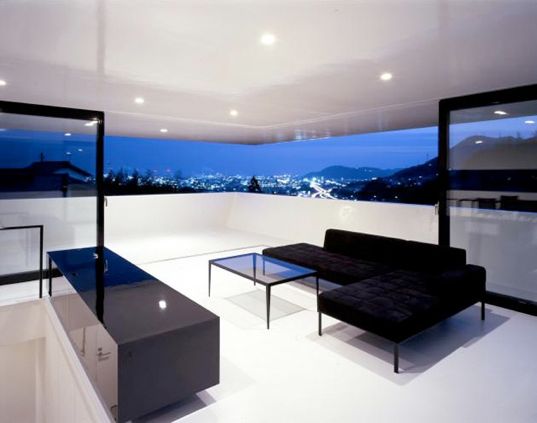


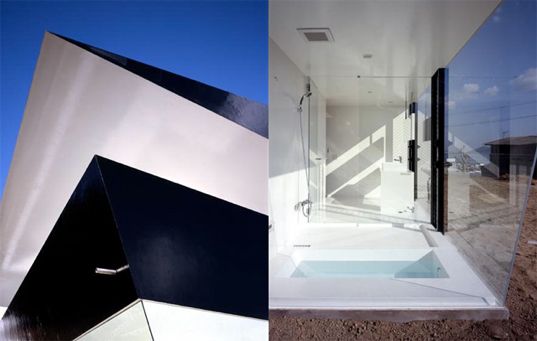

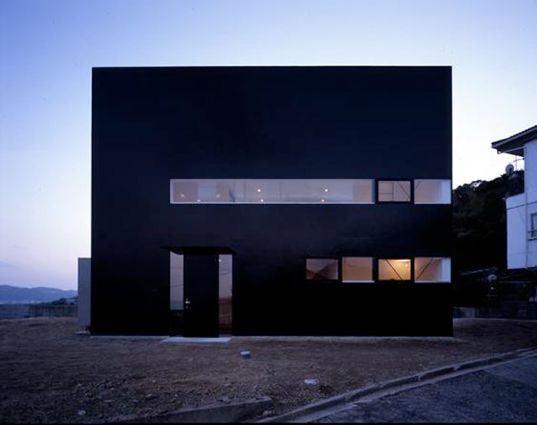
 otake_suppose_design_1This sleek modern hilltop residence was designed by Japan-based architecture firm Suppose Design Office to make optimal use of passive solar building principles. Every aspect of the residence’s innovative design has been carefully considered to make the best use of available sunlight and natural ventilation, demonstrating how efficient building practices can inform and give shape to elegant modern architecture....<br><br><a href='https://inhabitat.com/japans-otake-house-showcases-sleek-passive-solar-design/'>READ ARTICLE</a>1
 otake_suppose_design_2This sleek modern hilltop residence was designed by Japan-based architecture firm Suppose Design Office to make optimal use of passive solar building principles. Every aspect of the residence’s innovative design has been carefully considered to make the best use of available sunlight and natural ventilation, demonstrating how efficient building practices can inform and give shape to elegant modern architecture....<br><br><a href='https://inhabitat.com/japans-otake-house-showcases-sleek-passive-solar-design/'>READ ARTICLE</a>2
 house_in_otake_by_suppose_architecture_yatzer_4This sleek modern hilltop residence was designed by Japan-based architecture firm Suppose Design Office to make optimal use of passive solar building principles. Every aspect of the residence’s innovative design has been carefully considered to make the best use of available sunlight and natural ventilation, demonstrating how efficient building practices can inform and give shape to elegant modern architecture....<br><br><a href='https://inhabitat.com/japans-otake-house-showcases-sleek-passive-solar-design/'>READ ARTICLE</a>3
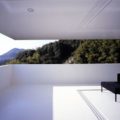 house_in_otake_by_suppose_architecture_yatzer_5This sleek modern hilltop residence was designed by Japan-based architecture firm Suppose Design Office to make optimal use of passive solar building principles. Every aspect of the residence’s innovative design has been carefully considered to make the best use of available sunlight and natural ventilation, demonstrating how efficient building practices can inform and give shape to elegant modern architecture....<br><br><a href='https://inhabitat.com/japans-otake-house-showcases-sleek-passive-solar-design/'>READ ARTICLE</a>4
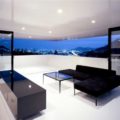 otake_suppose_design_3This sleek modern hilltop residence was designed by Japan-based architecture firm Suppose Design Office to make optimal use of passive solar building principles. Every aspect of the residence’s innovative design has been carefully considered to make the best use of available sunlight and natural ventilation, demonstrating how efficient building practices can inform and give shape to elegant modern architecture....<br><br><a href='https://inhabitat.com/japans-otake-house-showcases-sleek-passive-solar-design/'>READ ARTICLE</a>5
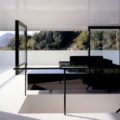 otake_suppose_design_4This sleek modern hilltop residence was designed by Japan-based architecture firm Suppose Design Office to make optimal use of passive solar building principles. Every aspect of the residence’s innovative design has been carefully considered to make the best use of available sunlight and natural ventilation, demonstrating how efficient building practices can inform and give shape to elegant modern architecture....<br><br><a href='https://inhabitat.com/japans-otake-house-showcases-sleek-passive-solar-design/'>READ ARTICLE</a>6
 otake_suppose_design_5This sleek modern hilltop residence was designed by Japan-based architecture firm Suppose Design Office to make optimal use of passive solar building principles. Every aspect of the residence’s innovative design has been carefully considered to make the best use of available sunlight and natural ventilation, demonstrating how efficient building practices can inform and give shape to elegant modern architecture....<br><br><a href='https://inhabitat.com/japans-otake-house-showcases-sleek-passive-solar-design/'>READ ARTICLE</a>7
 otake_suppose_design_6This sleek modern hilltop residence was designed by Japan-based architecture firm Suppose Design Office to make optimal use of passive solar building principles. Every aspect of the residence’s innovative design has been carefully considered to make the best use of available sunlight and natural ventilation, demonstrating how efficient building practices can inform and give shape to elegant modern architecture....<br><br><a href='https://inhabitat.com/japans-otake-house-showcases-sleek-passive-solar-design/'>READ ARTICLE</a>8
 otake_suppose_design_7This sleek modern hilltop residence was designed by Japan-based architecture firm Suppose Design Office to make optimal use of passive solar building principles. Every aspect of the residence’s innovative design has been carefully considered to make the best use of available sunlight and natural ventilation, demonstrating how efficient building practices can inform and give shape to elegant modern architecture....<br><br><a href='https://inhabitat.com/japans-otake-house-showcases-sleek-passive-solar-design/'>READ ARTICLE</a>9
 otake_suppose_design_8This sleek modern hilltop residence was designed by Japan-based architecture firm Suppose Design Office to make optimal use of passive solar building principles. Every aspect of the residence’s innovative design has been carefully considered to make the best use of available sunlight and natural ventilation, demonstrating how efficient building practices can inform and give shape to elegant modern architecture....<br><br><a href='https://inhabitat.com/japans-otake-house-showcases-sleek-passive-solar-design/'>READ ARTICLE</a>10
 otake_suppose_design_9This sleek modern hilltop residence was designed by Japan-based architecture firm Suppose Design Office to make optimal use of passive solar building principles. Every aspect of the residence’s innovative design has been carefully considered to make the best use of available sunlight and natural ventilation, demonstrating how efficient building practices can inform and give shape to elegant modern architecture....<br><br><a href='https://inhabitat.com/japans-otake-house-showcases-sleek-passive-solar-design/'>READ ARTICLE</a>11
