


Start Slideshow


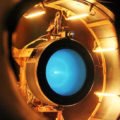 Ion ThrusterA team from MIT is working on developing ionic wind thrusters as an energy-efficient, low-emission alternative to conventional propulsion technologies like jet engines. The new thrusters would use ionic energy, which is created when a current passes between two electrodes. If one electrode is thinner than the other, it creates an air current in the space between them - and if a substantial voltage is applied, the device could produce powerful thrust without the need for fuel or motors.1
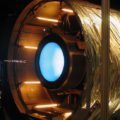 Ion ThrusterA team from MIT is working on developing ionic wind thrusters as an energy-efficient, low-emission alternative to conventional propulsion technologies like jet engines. The new thrusters would use ionic energy, which is created when a current passes between two electrodes. If one electrode is thinner than the other, it creates an air current in the space between them - and if a substantial voltage is applied, the device could produce powerful thrust without the need for fuel or motors.2
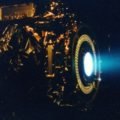 Ion thrusterA team from MIT is working on developing ionic wind thrusters as an energy-efficient, low-emission alternative to conventional propulsion technologies like jet engines. The new thrusters would use ionic energy, which is created when a current passes between two electrodes. If one electrode is thinner than the other, it creates an air current in the space between them - and if a substantial voltage is applied, the device could produce powerful thrust without the need for fuel or motors.3
 Jet EnginesA team from MIT is working on developing ionic wind thrusters as an energy-efficient, low-emission alternative to conventional propulsion technologies like jet engines. The new thrusters would use ionic energy, which is created when a current passes between two electrodes. If one electrode is thinner than the other, it creates an air current in the space between them - and if a substantial voltage is applied, the device could produce powerful thrust without the need for fuel or motors.4
