


Start Slideshow


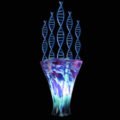 BiobulbTechnology has come a long way since Edison patented the light bulb back in 1880. A group of undergraduates at the University of Wisconsin-Madison are launching a project to crowdfund the production of the Biobulb—a light bulb that uses bacteria to glow in the dark. Essentially creating an "ecosystem in a jar", the bulb takes advantage of a host of microorganisms and natural light to feed the shining bacteria....<br><br><a href='https://inhabitat.com/the-electricity-free-biobulb-uses-bacteria-to-glow-in-the-dark/'>READ ARTICLE</a>1
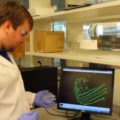 BiobulbTechnology has come a long way since Edison patented the light bulb back in 1880. A group of undergraduates at the University of Wisconsin-Madison are launching a project to crowdfund the production of the Biobulb—a light bulb that uses bacteria to glow in the dark. Essentially creating an "ecosystem in a jar", the bulb takes advantage of a host of microorganisms and natural light to feed the shining bacteria....<br><br><a href='https://inhabitat.com/the-electricity-free-biobulb-uses-bacteria-to-glow-in-the-dark/'>READ ARTICLE</a>2
 BiobulbTechnology has come a long way since Edison patented the light bulb back in 1880. A group of undergraduates at the University of Wisconsin-Madison are launching a project to crowdfund the production of the Biobulb—a light bulb that uses bacteria to glow in the dark. Essentially creating an "ecosystem in a jar", the bulb takes advantage of a host of microorganisms and natural light to feed the shining bacteria....<br><br><a href='https://inhabitat.com/the-electricity-free-biobulb-uses-bacteria-to-glow-in-the-dark/'>READ ARTICLE</a>3
