


Start Slideshow


 DIY-Keyhole-GardensIf you've never heard of a keyhole garden before, you might find the concept rather fascinating. Rather than planting in rows (or even in long, rectangular raised beds), which require a great deal of space for planting as well as harvesting, a<a href="http://www.inspirationgreen.com/keyhole-gardens.html" target="_blank"> keyhole garden</a>—so named because of the notch-like gap in the center of it—allows you to make the most of a small area. To begin, all you need is a space that can house a circle that's 8 to 12 feet in diameter, with a small path to the center on one side of it... like a keyhole.1
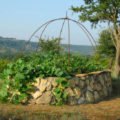 Keyhole Garden in AfricaKeyhole gardens aren't just efficient for growing food: they're stunning examples of functional landscape architecture.2
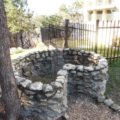 Keyhole Bed in ProgressRaised beds prevent soil erosion and retain moisture, while the central "compost basket" helps to keep plants nourished.3
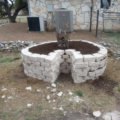 Prepping the Keyhole GardenLayers of organic material, compost, and soil are built up around the central cone.4
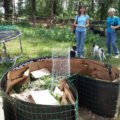 Keyhole Garden Compost BasketIn addition to the biodegradable material inside the bed itself, the compost within the central basket will help to keep the plants fed and watered.5
 Keyhole Garden with SproutsA little goes a long way: a few squash plants, root vegetables, and herbs will fill the garden out quickly.6
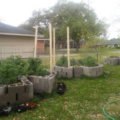 Keyhole Garden Beds in a YardYou can create many keyhole gardens on a patch of land, corresponding with different microclimates and light-fall areas, or you can attach them all to create a mandala garden.7
 Thriving Keyhole GardenIt doesn't take long for the plants to explode into a beautiful, bountiful explosion of greenery that can be harvested throughout the season.8


